


 Popular Blog Posts




 Blog
BlogHey there! As a supplier of radial oil seals, I often get asked about the working temperature range of these little but crucial components. So, I thought I'd share some insights on this topic.
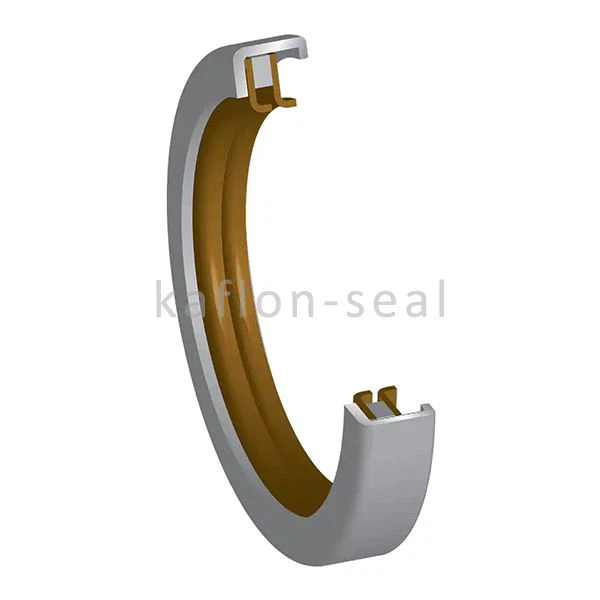

First off, let's understand what radial oil seals are. They're used to prevent the leakage of fluids, like oil, in various machinery. You'll find them in engines, gearboxes, and all sorts of equipment where keeping the lubricant in place is super important.
Now, the working temperature range of radial oil seals can vary a lot. It mainly depends on the materials they're made of. Different materials have different properties that determine how well they can handle heat and cold.
One of the most common materials for radial oil seals is nitrile rubber. Nitrile seals are pretty popular because they're cost - effective and offer good resistance to oil and fuel. Generally, nitrile radial oil seals can work in a temperature range from about - 40°C to 120°C. That's a decent range, but it might not be suitable for extreme conditions.
If you're dealing with higher temperatures, fluorocarbon rubber, also known as Viton, is a great option. Viton seals can withstand much hotter environments. They can operate in temperatures ranging from around - 20°C to 250°C. This makes them ideal for applications in high - performance engines or industrial processes where there's a lot of heat generated.
Silicone rubber is another material used for radial oil seals. Silicone seals have a wide temperature range, usually from about - 60°C to 230°C. They're known for their flexibility and good low - temperature performance. So, if you need a seal that can work in very cold environments and still function well, silicone might be the way to go.
PTFE (polytetrafluoroethylene) is a high - performance material that's often used in specialized radial oil seals. PTFE seals are incredibly resistant to chemicals and can handle a wide range of temperatures. They can operate from about - 200°C to 260°C. That's an amazing range! If you're looking for more info on PTFE seals, you can check out Friction Coefficients PTFE Oil Seal Seal.
Now, why does the working temperature range matter so much? Well, if the temperature goes beyond the seal's recommended range, a few things can happen. At high temperatures, the seal material can start to degrade. It might become softer, lose its shape, and start to leak. This can lead to a loss of lubricant, which can cause damage to the machinery.
On the other hand, at low temperatures, the seal material can become brittle. It might crack or lose its flexibility, which also results in leakage. So, it's crucial to choose a radial oil seal with the right temperature range for your specific application.
Let's talk about some specific applications and the temperature requirements for each. In automotive engines, the temperature can get pretty high. The engine block can reach temperatures of over 100°C during normal operation. So, you'd typically want a seal that can handle these high temperatures. Viton or PTFE seals are often used in automotive engines for this reason.
In medical equipment, the temperature requirements are usually more moderate. You don't want extreme temperatures in medical devices as they can affect the performance and safety of the equipment. For medical applications, Medical Equipment Rotary PTFE POB Oil Seal can be a great choice. These seals can work well within the temperature ranges commonly found in medical equipment, usually between 20°C and 50°C.
In vacuum operations, temperature control is also important. The vacuum environment can cause temperature fluctuations, and you need a seal that can handle these changes. Vacuum Operation PTFE Stainless Oil Seal is designed to work in these conditions. PTFE's wide temperature range makes it suitable for vacuum applications where the temperature can vary depending on the process.
When you're choosing a radial oil seal, it's not just about the temperature range. You also need to consider other factors like the pressure, the type of fluid it'll be in contact with, and the speed of the rotating shaft. All these factors work together to determine the best seal for your application.
We, as a radial oil seal supplier, have a wide range of seals made from different materials to meet your various needs. Whether you're in the automotive industry, medical field, or any other sector that requires reliable sealing solutions, we've got you covered.
If you're in the market for radial oil seals and want to discuss your specific requirements, feel free to reach out. We can help you choose the right seal based on your working temperature range and other application - specific factors. Don't hesitate to start a conversation with us to find the perfect sealing solution for your machinery.
References
- "Sealing Technology Handbook" by John S. Sadeghi
- Various technical datasheets from seal manufacturers