


 Popular Blog Posts


 Blog
BlogAs a seasoned supplier of hydraulic seals, I've witnessed firsthand the critical role these components play in various industries. One of the most frequently asked questions I encounter is about the working pressure range of hydraulic seals. In this blog post, I'll delve into this topic, exploring the factors that influence the pressure range and the types of seals suitable for different pressure levels.
Understanding Hydraulic Seals and Their Importance
Hydraulic seals are essential components in hydraulic systems, which are widely used in industries such as construction, manufacturing, and automotive. These systems rely on the transfer of fluid power to perform various tasks, and hydraulic seals are responsible for preventing fluid leakage and maintaining system efficiency. Without proper sealing, hydraulic systems can experience reduced performance, increased energy consumption, and even catastrophic failure.
Factors Affecting the Working Pressure Range of Hydraulic Seals
The working pressure range of hydraulic seals is influenced by several factors, including the type of seal, the material used, the operating conditions, and the design of the hydraulic system. Let's take a closer look at each of these factors:
Type of Seal
There are several types of hydraulic seals, each designed for specific applications and pressure ranges. Some common types of seals include piston seals, rod seals, wiper seals, and static seals. Piston seals are used to seal the piston in a hydraulic cylinder, while rod seals prevent fluid leakage around the rod. Wiper seals are used to keep contaminants out of the hydraulic system, and static seals are used to seal stationary components.
Material
The material used to manufacture hydraulic seals plays a crucial role in determining their working pressure range. Different materials have different properties, such as hardness, elasticity, and chemical resistance, which affect their performance under pressure. Some common materials used for hydraulic seals include rubber, polyurethane, PTFE, and metal. Rubber seals are known for their flexibility and good sealing properties, while polyurethane seals offer high wear resistance and durability. PTFE seals are resistant to high temperatures and chemicals, and metal seals are used in high-pressure applications.
Operating Conditions
The operating conditions of a hydraulic system, such as temperature, speed, and fluid type, can also affect the working pressure range of hydraulic seals. High temperatures can cause the seal material to degrade, reducing its sealing performance. Similarly, high speeds can generate friction and heat, which can also damage the seal. The type of fluid used in the hydraulic system can also have an impact on the seal material, as some fluids may be incompatible with certain materials.
System Design
The design of the hydraulic system, including the size and shape of the components, the type of sealing arrangement, and the pressure distribution, can also influence the working pressure range of hydraulic seals. A well-designed hydraulic system will ensure that the seals are properly installed and supported, and that the pressure is evenly distributed across the seal surface. This can help to prevent premature seal failure and extend the service life of the seals.
Working Pressure Ranges of Different Types of Hydraulic Seals
Now that we've discussed the factors that affect the working pressure range of hydraulic seals, let's take a look at the typical pressure ranges for different types of seals:

Piston Seals
Piston seals are used to seal the piston in a hydraulic cylinder, and they are typically designed to withstand high pressures. The working pressure range of piston seals can vary depending on the type of seal and the material used. For example, rubber piston seals can typically withstand pressures up to 3,000 psi, while polyurethane piston seals can withstand pressures up to 5,000 psi. PTFE piston seals are capable of withstanding even higher pressures, up to 10,000 psi or more.
Rod Seals
Rod seals are used to prevent fluid leakage around the rod in a hydraulic cylinder. The working pressure range of rod seals is generally lower than that of piston seals, as they are not subjected to the same level of pressure. Rubber rod seals can typically withstand pressures up to 2,000 psi, while polyurethane rod seals can withstand pressures up to 3,000 psi. PTFE rod seals are used in high-pressure applications and can withstand pressures up to 5,000 psi or more.
Wiper Seals
Wiper seals are used to keep contaminants out of the hydraulic system, and they are typically designed to operate at low pressures. The working pressure range of wiper seals is generally less than 100 psi, as they are not required to seal against high pressures. Rubber wiper seals are the most common type of wiper seal, and they are capable of providing effective sealing at low pressures.
Static Seals
Static seals are used to seal stationary components in a hydraulic system, such as flanges and covers. The working pressure range of static seals can vary depending on the type of seal and the material used. Rubber static seals can typically withstand pressures up to 1,000 psi, while metal static seals can withstand pressures up to 10,000 psi or more.
Choosing the Right Hydraulic Seal for Your Application
When choosing a hydraulic seal for your application, it's important to consider the working pressure range, as well as the other factors discussed above. Here are some tips to help you choose the right seal:
Determine the Pressure Range
The first step in choosing a hydraulic seal is to determine the working pressure range of your hydraulic system. This will help you narrow down your options and choose a seal that is capable of withstanding the pressure.
Consider the Operating Conditions
In addition to the pressure range, you also need to consider the operating conditions of your hydraulic system, such as temperature, speed, and fluid type. Choose a seal material that is compatible with the operating conditions to ensure optimal performance.
Choose the Right Type of Seal
There are several types of hydraulic seals available, each designed for specific applications and pressure ranges. Choose the type of seal that is appropriate for your application, such as a piston seal, rod seal, wiper seal, or static seal.
Consult with a Seal Expert
If you're unsure which type of seal is best for your application, it's always a good idea to consult with a seal expert. A seal expert can help you evaluate your requirements and recommend the right seal for your needs.
Our Hydraulic Seal Products
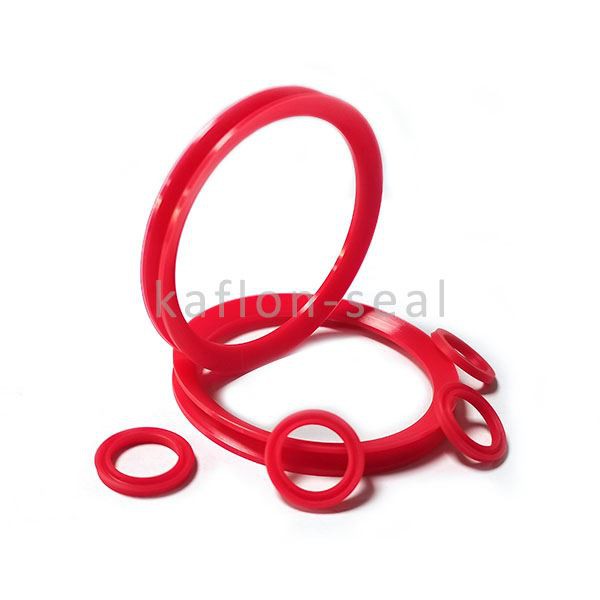
As a leading supplier of hydraulic seals, we offer a wide range of high-quality seals to meet the needs of various industries. Our products include Wearable Piston Sealing Glyd Ring, Hydraulic Piston Seal, and Red PU Seal Hydrolysis Resistance. These seals are designed to provide reliable sealing performance in high-pressure applications, and they are made from the highest quality materials to ensure durability and long service life.
Contact Us for Your Hydraulic Seal Needs
If you're in the market for high-quality hydraulic seals, we invite you to contact us for more information. Our team of experts is available to answer your questions and help you choose the right seal for your application. We offer competitive pricing, fast delivery, and excellent customer service, and we're committed to providing our customers with the best possible products and solutions.
References
- "Hydraulic Seals: Types, Materials, and Applications" - Hydraulics & Pneumatics Magazine
- "Sealing Technology Handbook" - Adam Wypych
- "Hydraulic System Design and Maintenance" - John F. Durkee