


 Popular Blog Posts


 Blog
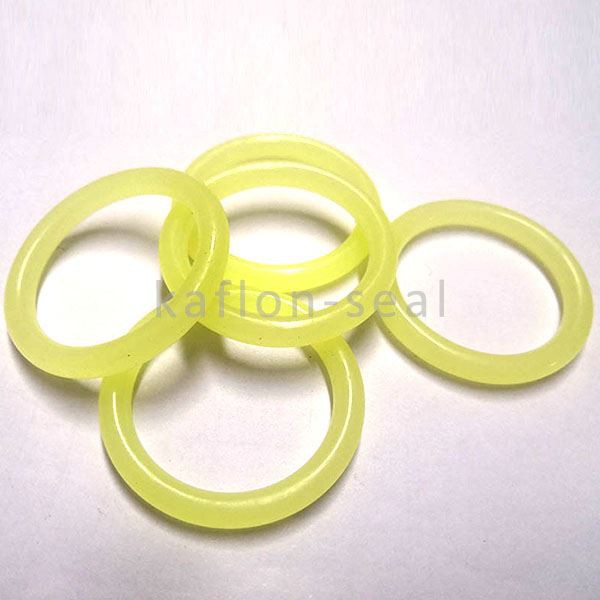
BlogHey there! As a supplier of Polyurethanes Seal, I often get asked about the water absorption rate of these seals. It's a crucial factor, especially when you're thinking about where and how to use them. So, let's dive right in and explore what the water absorption rate of Polyurethanes Seal is all about.
What is Water Absorption Rate?
First things first, let's clarify what water absorption rate means. In simple terms, it's the amount of water a material can absorb when it's exposed to a wet environment. For Polyurethanes Seal, this rate can vary depending on a bunch of factors.
When a polyurethane seal has a high water absorption rate, it means it can soak up a fair amount of water. This might not sound like a big deal at first, but it can actually have some pretty significant impacts. For example, if the seal absorbs too much water, it can swell. Swelling can cause the seal to lose its shape and fit, which means it won't do its job as well in keeping things sealed. On the other hand, a low water absorption rate is generally better because the seal will stay more stable in wet conditions.
Factors Affecting the Water Absorption Rate of Polyurethanes Seal
There are several factors that can influence how much water a polyurethane seal will pick up.
Chemical Composition
The way the polyurethane is made plays a huge role. Different chemical formulations can have different levels of water resistance. For instance, some polyurethanes are formulated with special additives that make them more resistant to water. These additives can create a sort of barrier on the surface of the seal, preventing water from seeping in.
If you're interested in a type of polyurethane seal that's resistant to certain substances, you might want to check out Oil Resistance PU Seals. These seals are designed to withstand contact with oil, but their chemical composition also affects their water absorption rate.
Density
The density of the polyurethane seal is another important factor. Generally, denser seals tend to have a lower water absorption rate. This is because the molecules in a dense material are packed more closely together, leaving less space for water to get in. It's like trying to squeeze through a crowded room – it's a lot harder than walking through an empty one.
Surface Finish
The finish on the surface of the seal can also make a difference. A smooth surface is less likely to trap water compared to a rough one. Water can easily run off a smooth surface, while it might get stuck in the nooks and crannies of a rough surface. Some manufacturers use special processes to give their polyurethane seals a smooth finish, which helps to reduce water absorption.
Measuring the Water Absorption Rate
So, how do we figure out what the water absorption rate of a polyurethane seal is? Well, there are standard testing methods.
One common method is to weigh the seal before it's exposed to water. Then, the seal is submerged in water for a specific period of time, usually at a controlled temperature. After that, the seal is taken out, dried off, and weighed again. The difference in weight before and after the water exposure is used to calculate the water absorption rate. This rate is usually expressed as a percentage.
For example, if a seal weighs 100 grams before being submerged in water and 102 grams after, the weight increase is 2 grams. To find the water absorption rate, we divide the weight increase (2 grams) by the original weight (100 grams) and multiply by 100. So, in this case, the water absorption rate is 2%.
Importance of Knowing the Water Absorption Rate
Understanding the water absorption rate of a polyurethane seal is super important for a few reasons.
Application in Different Environments
If you're using the seal in a dry environment, the water absorption rate might not be as critical. But if the seal is going to be exposed to water, like in a plumbing system or a marine application, a low water absorption rate is essential. In a plumbing system, a seal with a high water absorption rate could swell and cause leaks over time. In a marine environment, where the seal is constantly in contact with saltwater, a low water absorption rate helps to prevent corrosion and degradation of the seal.
Product Lifespan
A seal with a low water absorption rate is likely to last longer. Water can cause all sorts of problems, like mold growth, chemical reactions, and material breakdown. By choosing a seal with a low water absorption rate, you can extend the lifespan of your product and save money in the long run.
Different Types of Polyurethanes Seal and Their Water Absorption Rates
There are various types of polyurethane seals, and each one can have a different water absorption rate.
Silicone Oil Resistance MPU Seal
These seals are designed to resist silicone oil, but they also have properties that affect their water absorption. The chemical makeup that gives them oil resistance can also contribute to their water resistance. Generally, they have a relatively low water absorption rate, which makes them suitable for applications where both oil and water are present.
Polyurethane with Resistant to Hydrolysis
Hydrolysis is a chemical reaction that can occur when a material is exposed to water. Polyurethane seals with resistance to hydrolysis are formulated to withstand this reaction. This type of seal usually has a low water absorption rate because the additives that make it resistant to hydrolysis also help to keep water out.
Choosing the Right Polyurethanes Seal Based on Water Absorption Rate
When you're in the market for a polyurethane seal, it's important to consider the water absorption rate based on your specific needs.
If you're working on a project where the seal will be in constant contact with water, look for a seal with a very low water absorption rate. You can ask the supplier for test results or data on the water absorption rate of their products. Make sure to also consider other factors like the chemical resistance, temperature range, and mechanical properties of the seal.
Conclusion
So, there you have it – a breakdown of what the water absorption rate of Polyurethanes Seal is all about. It's a key factor that can affect the performance and lifespan of the seal. Whether you're using the seal in a wet or dry environment, understanding the water absorption rate can help you make the right choice.
If you're interested in purchasing high - quality Polyurethanes Seal, I'd love to talk to you. We have a wide range of products with different water absorption rates to suit your specific needs. Don't hesitate to reach out for more information and to start a procurement discussion.

References
- ASTM D570 - Standard Test Method for Water Absorption of Plastics
- ISO 62:2008 - Plastics — Determination of water absorption