


 Popular Blog Posts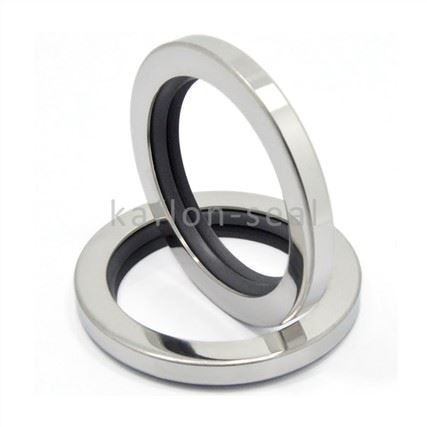


 Blog
BlogIn the realm of hydraulic systems, the hydraulic piston seal stands as a critical component, playing a pivotal role in ensuring the efficient and reliable operation of hydraulic cylinders. As a seasoned hydraulic piston seal supplier, I've witnessed firsthand the importance of understanding the tolerance range for these seals. This blog post aims to delve into the intricacies of the tolerance range for hydraulic piston seals, exploring its significance, influencing factors, and the implications for hydraulic system performance.
Understanding the Basics of Hydraulic Piston Seals
Before we dive into the tolerance range, let's briefly recap what hydraulic piston seals are and what they do. Hydraulic piston seals are designed to prevent the leakage of hydraulic fluid between the piston and the cylinder bore. They are subjected to high pressures, dynamic movements, and varying operating conditions, making their performance crucial for the overall functionality of the hydraulic system.
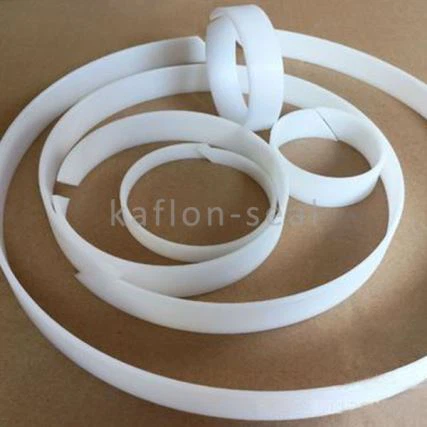
A well - functioning piston seal not only maintains the pressure within the hydraulic cylinder but also reduces friction, minimizes wear and tear, and protects the system from contaminants. Different types of piston seals are available in the market, including Reciprocating Seal Phenolic Guide Ring, Anti - ozone PU Seal, and Bear High Pressure Hydraulic Seal, each with its own unique characteristics and applications.
Significance of the Tolerance Range
The tolerance range for a hydraulic piston seal refers to the acceptable limits of variation in its dimensions, material properties, and performance characteristics. It is a critical parameter because even a slight deviation from the specified tolerance can have a significant impact on the seal's performance and the overall efficiency of the hydraulic system.
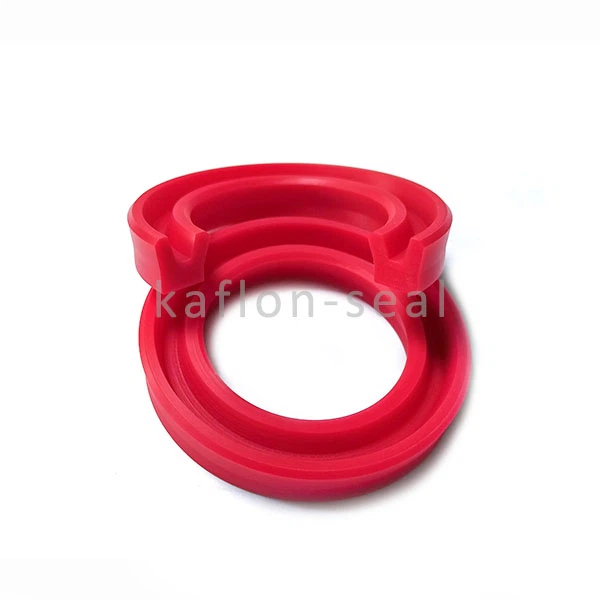

If the seal is too large, it may cause excessive friction, leading to increased energy consumption, premature wear, and potential damage to the seal and other components. On the other hand, if the seal is too small, it may not provide an effective seal, resulting in fluid leakage, loss of pressure, and reduced system performance. Therefore, maintaining the correct tolerance range is essential for ensuring the proper functioning and longevity of the hydraulic system.
Influencing Factors on the Tolerance Range
Several factors influence the tolerance range for hydraulic piston seals. These factors can be broadly categorized into design factors, material factors, and operating conditions.
Design Factors
- Seal Geometry: The shape and dimensions of the seal play a crucial role in determining its tolerance range. Complex seal geometries may require tighter tolerances to ensure proper sealing and performance. For example, seals with intricate lip designs or multiple sealing elements need to be manufactured within narrow dimensional limits to function effectively.
- Cylinder Bore and Piston Dimensions: The dimensions of the cylinder bore and the piston also affect the tolerance range of the seal. The clearance between the piston and the cylinder bore must be carefully considered to ensure that the seal can maintain a proper seal while allowing for smooth piston movement.
Material Factors
- Material Properties: Different materials have different physical and chemical properties, which can influence the tolerance range. For instance, elastomeric materials such as rubber are more flexible and can tolerate a wider range of dimensional variations compared to rigid materials like metal. However, elastomers may also be more sensitive to temperature and chemical exposure, which can affect their performance within the tolerance range.
- Material Quality: The quality of the material used in the seal manufacturing process is another important factor. High - quality materials with consistent properties are more likely to meet the specified tolerance range and provide better performance and durability.
Operating Conditions
- Pressure: High - pressure applications require seals with tighter tolerances to withstand the forces exerted on them. The seal must be able to maintain its integrity and sealing performance under extreme pressure conditions. For example, in hydraulic systems used in heavy - duty machinery, the piston seals need to be designed and manufactured to very precise tolerances to ensure reliable operation.
- Temperature: Temperature variations can cause the seal material to expand or contract, affecting its dimensions and performance. Seals used in high - temperature or low - temperature environments need to have a tolerance range that accounts for these thermal effects.
- Fluid Compatibility: The hydraulic fluid used in the system can also have an impact on the tolerance range. Some fluids may cause the seal material to swell or degrade, which can affect its sealing performance. Therefore, the seal material must be compatible with the hydraulic fluid, and the tolerance range should be adjusted accordingly.
Measuring and Controlling the Tolerance Range
To ensure that hydraulic piston seals meet the specified tolerance range, precise measurement and control techniques are required. During the manufacturing process, advanced measuring tools such as calipers, micrometers, and coordinate measuring machines (CMMs) are used to measure the dimensions of the seals accurately. Statistical process control (SPC) methods are also employed to monitor and control the manufacturing process, ensuring that the seals are produced within the acceptable tolerance limits.
In addition to manufacturing control, quality control checks are conducted at various stages of the production process to verify the performance and dimensional accuracy of the seals. These checks include pressure testing, leakage testing, and visual inspections. Any seals that do not meet the specified tolerance range are rejected or re - worked to ensure that only high - quality seals are delivered to the customers.
Implications for Hydraulic System Performance
The tolerance range of hydraulic piston seals has a direct impact on the performance of hydraulic systems. A seal that is within the proper tolerance range will provide a reliable seal, minimize fluid leakage, and ensure smooth operation of the hydraulic cylinder. This leads to improved system efficiency, reduced energy consumption, and longer component life.
On the other hand, seals that are outside the tolerance range can cause a variety of problems, including fluid leakage, loss of pressure, increased friction, and premature wear. These issues can result in system downtime, increased maintenance costs, and potential safety hazards. Therefore, it is essential for hydraulic system designers, manufacturers, and users to pay close attention to the tolerance range of piston seals to ensure the optimal performance of their systems.
Conclusion
In conclusion, the tolerance range for hydraulic piston seals is a critical parameter that significantly affects the performance and reliability of hydraulic systems. As a hydraulic piston seal supplier, we understand the importance of manufacturing seals within the specified tolerance range to meet the diverse needs of our customers. By considering the design factors, material factors, and operating conditions, and by implementing precise measurement and control techniques, we can ensure that our seals provide excellent sealing performance and durability.
If you are in the market for high - quality hydraulic piston seals, we invite you to contact us for more information. Our team of experts is ready to assist you in selecting the right seals for your specific applications and to discuss your procurement needs. We look forward to working with you to provide the best solutions for your hydraulic system requirements.
References
- "Hydraulic Seals Handbook" by John Smith
- "Sealing Technology for Hydraulic Systems" by David Brown
- Industry standards and specifications related to hydraulic piston seals.