


 Popular Blog Posts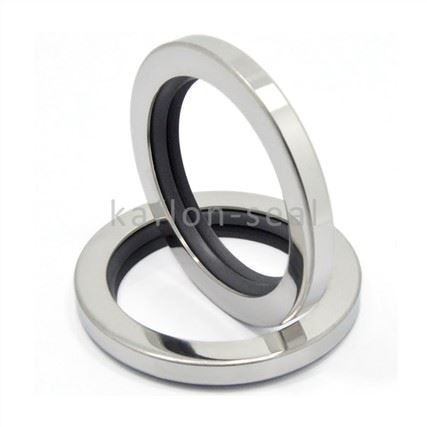



 Blog
BlogHey there! As a supplier of Rotary Glyd Rings, I often get asked about the temperature range these little wonders can handle. So, let's dive right into it and break down what you need to know about the temperature range for Rotary Glyd Rings.
Understanding Rotary Glyd Rings
First off, for those who might not be super familiar, Rotary Glyd Rings are a type of sealing solution used in a whole bunch of applications. They're designed to keep fluids in and contaminants out, which is super important in machinery and equipment. Whether it's in automotive engines, industrial pumps, or hydraulic systems, Rotary Glyd Rings play a crucial role in ensuring everything runs smoothly.
The Importance of Temperature Range
The temperature range of a Rotary Glyd Ring is a big deal. It determines where and how the ring can be used. If the temperature gets too high, the ring might start to break down, lose its shape, or stop sealing properly. On the other hand, if it's too cold, the ring could become brittle and crack. So, getting the right temperature range is essential for the performance and longevity of the ring.
Typical Temperature Ranges
Now, let's talk numbers. The temperature range for Rotary Glyd Rings can vary depending on a few factors, like the materials they're made from and the specific design. Generally speaking, most standard Rotary Glyd Rings can handle temperatures ranging from about -40°F (-40°C) to 250°F (121°C).

For applications that require a bit more extreme temperature resistance, there are special Rotary Glyd Rings available. These can handle temperatures as low as -65°F (-54°C) and as high as 400°F (204°C). That's pretty impressive, right?
Factors Affecting Temperature Range
As I mentioned earlier, a few things can affect the temperature range of a Rotary Glyd Ring. One of the biggest factors is the material. Different materials have different properties when it comes to temperature resistance.
- Rubber Materials: Rubber is a common material for Rotary Glyd Rings. Natural rubber has a relatively limited temperature range, usually from about -20°F (-29°C) to 180°F (82°C). Synthetic rubbers, like nitrile rubber (NBR), can handle a wider range, typically from -40°F (-40°C) to 250°F (121°C). Fluorocarbon rubber (FKM) is even more resistant, with a range of -20°F (-29°C) to 400°F (204°C).
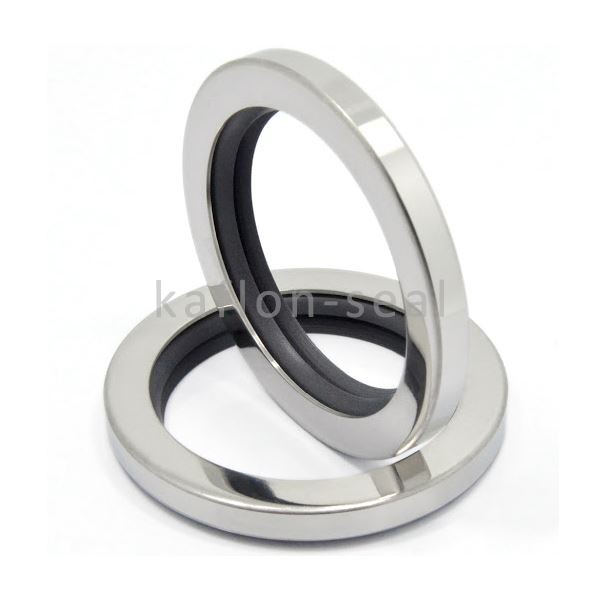
- PTFE Materials: PTFE (polytetrafluoroethylene) is another popular material for Rotary Glyd Rings. It has excellent chemical resistance and a wide temperature range, usually from -100°F (-73°C) to 500°F (260°C). PTFE Rotary Glyd Rings are often used in high-temperature and high-pressure applications. Check out our PTFE Stainless Rotary Shaft Seal for more info on PTFE-based sealing solutions.
The design of the ring can also play a role. Rings with thicker cross-sections or special features, like heat-resistant coatings, can sometimes handle higher temperatures.
Real-World Applications
Let's take a look at some real-world applications and how the temperature range of Rotary Glyd Rings comes into play.
- Automotive Engines: In automotive engines, Rotary Glyd Rings are used in various parts, like the crankshaft and camshaft seals. These seals need to be able to handle the high temperatures generated by the engine. A typical engine can reach temperatures of up to 250°F (121°C) or more, so the Rotary Glyd Rings used in these applications need to have a suitable temperature range.
- Industrial Pumps: Industrial pumps are used in a wide range of industries, from chemical processing to food and beverage. Depending on the type of fluid being pumped and the operating conditions, the temperature can vary significantly. For example, pumps used in hot water or steam applications might require Rotary Glyd Rings that can handle temperatures up to 400°F (204°C).
- Medical Equipment: Medical equipment, like MRI machines and surgical tools, also use Rotary Glyd Rings. These applications often require a high level of precision and reliability, as well as the ability to withstand sterilization processes. Our Medical Equipment Rotary PTFE POB Oil Seal is designed to meet the specific requirements of medical applications, including a suitable temperature range.
Choosing the Right Rotary Glyd Ring
When it comes to choosing the right Rotary Glyd Ring for your application, it's important to consider the temperature range, as well as other factors like pressure, speed, and the type of fluid being sealed. Here are a few tips to help you make the right choice:
- Know Your Application: Understand the operating conditions of your application, including the temperature range, pressure, and speed. This will help you determine the type of Rotary Glyd Ring you need.
- Consider the Materials: As we discussed earlier, different materials have different temperature ranges and properties. Choose a material that is suitable for your application.
- Consult with an Expert: If you're not sure which Rotary Glyd Ring is right for you, don't hesitate to consult with an expert. We're here to help you find the best solution for your needs.
Conclusion
So, there you have it! The temperature range for Rotary Glyd Rings can vary depending on the materials and design, but most standard rings can handle temperatures from -40°F (-40°C) to 250°F (121°C). For more extreme applications, there are special rings available that can handle temperatures as low as -65°F (-54°C) and as high as 400°F (204°C).
If you're in the market for Rotary Glyd Rings or other sealing solutions, like our Double Lips PTFE Oil Seal, we'd love to hear from you. Whether you have questions about temperature ranges or need help finding the right product for your application, just reach out. We're here to provide you with the best products and support to keep your machinery running smoothly. Let's start a conversation and see how we can work together!
References
- Sealing Handbook, Various Industry Publications
- Manufacturer's Technical Data Sheets for Rotary Glyd Rings