


 Popular Blog Posts



 Blog
BlogThe tear strength of hydraulic wiper seals is a critical property that significantly impacts their performance and durability in various hydraulic applications. As a trusted supplier of hydraulic wiper seals, I understand the importance of this characteristic and its implications for our customers. In this blog post, I will delve into the concept of tear strength, its significance in hydraulic wiper seals, and how it relates to the overall quality and reliability of our products.
Understanding Tear Strength
Tear strength refers to the ability of a material to resist tearing when subjected to a force that tends to separate it along a pre - existing cut or notch. In the context of hydraulic wiper seals, this property is crucial because these seals are often exposed to harsh operating conditions. They are in constant contact with moving parts, such as rods, and are required to scrape off contaminants, dirt, and moisture from the rod surface while maintaining a tight seal. Any weak points in the seal material can lead to tearing, which can then compromise the seal's effectiveness and ultimately the performance of the hydraulic system.
The tear strength of a material is typically measured in units of force per unit thickness, such as Newtons per millimeter (N/mm). A higher tear strength indicates that the material is more resistant to tearing and is better able to withstand the stresses and strains it encounters during normal operation.
Factors Affecting Tear Strength in Hydraulic Wiper Seals
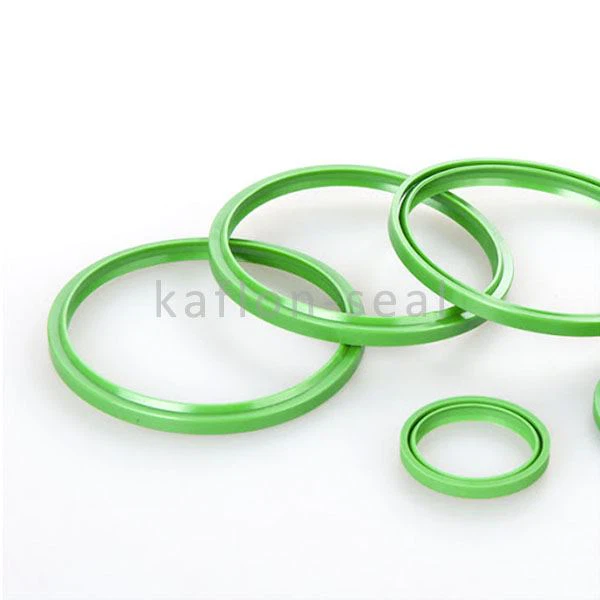
Several factors can influence the tear strength of hydraulic wiper seals. One of the most important factors is the material composition of the seal. Different materials have different inherent tear strengths. For example, polyurethane (PU) is a commonly used material for hydraulic wiper seals due to its excellent abrasion resistance, low friction, and good tear strength. Piston Seal With PU Green is an example of a product that utilizes high - quality PU, which provides a good balance of tear strength and other performance characteristics.
The manufacturing process also plays a significant role in determining the tear strength of the seals. Proper molding and curing techniques ensure that the material is uniformly distributed and that there are no internal defects or weak points in the seal. Any inconsistencies in the manufacturing process can lead to reduced tear strength and a higher likelihood of premature failure.
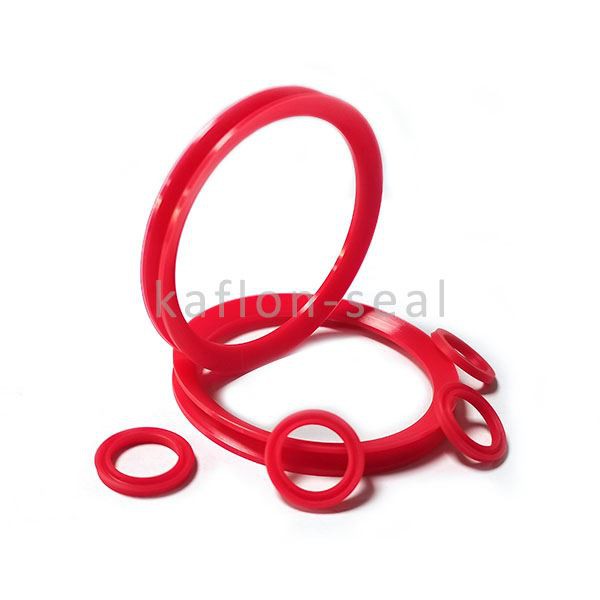
Another factor is the operating conditions of the hydraulic system. Seals that are exposed to high pressures, high temperatures, or aggressive chemicals may experience a reduction in tear strength over time. For instance, in applications where the hydraulic fluid contains additives or contaminants that can degrade the seal material, the tear strength may be compromised. Red PU Seal Hydrolysis Resistance is designed to withstand hydrolysis, which is a chemical reaction that can weaken the material and reduce its tear strength, especially in high - moisture environments.
Importance of Tear Strength in Hydraulic Applications
In hydraulic systems, the integrity of the wiper seals is essential for maintaining the efficiency and reliability of the system. A seal with low tear strength is more likely to develop tears or cracks, which can allow contaminants to enter the hydraulic system. These contaminants can cause wear and damage to other components, such as pistons, cylinders, and valves, leading to increased maintenance costs and reduced system performance.
Moreover, a torn seal can result in fluid leakage, which not only wastes hydraulic fluid but also poses a safety hazard in some applications. For example, in heavy machinery or industrial equipment, fluid leakage can create slippery surfaces, increasing the risk of accidents. Therefore, ensuring that the hydraulic wiper seals have sufficient tear strength is crucial for the safe and efficient operation of the hydraulic system.
Testing Tear Strength
To ensure the quality of our hydraulic wiper seals, we conduct rigorous tear strength testing. There are several standard test methods available for measuring the tear strength of elastomeric materials. One of the most commonly used methods is the trouser tear test. In this test, a sample of the seal material is cut into a trouser - shaped specimen, and a pre - cut notch is made at the center of the specimen. The specimen is then pulled apart at a constant speed, and the force required to propagate the tear is measured.
The results of these tests are used to verify that our seals meet or exceed the industry standards for tear strength. By conducting regular testing, we can also monitor the consistency of our manufacturing process and make any necessary adjustments to ensure that our products maintain a high level of quality.
Our Product Range and Tear Strength
We offer a wide range of hydraulic wiper seals, each designed to meet the specific requirements of different applications. Our Rubber Rod T Seal is made from high - quality rubber materials that have been carefully selected for their excellent tear strength and other performance properties. These seals are suitable for a variety of hydraulic systems, including those in construction equipment, agricultural machinery, and industrial automation.
In addition to our standard product range, we also offer custom - made hydraulic wiper seals. We understand that different customers may have unique requirements, and we are committed to providing solutions that meet their specific needs. Our experienced engineering team can work closely with customers to develop seals with the appropriate tear strength and other properties for their particular applications.
Conclusion
The tear strength of hydraulic wiper seals is a vital property that directly impacts the performance and longevity of hydraulic systems. As a leading supplier of hydraulic wiper seals, we are dedicated to providing our customers with high - quality products that have excellent tear strength and other performance characteristics. By understanding the factors that affect tear strength, conducting rigorous testing, and offering a diverse product range, we are able to meet the needs of a wide range of customers in different industries.
If you are looking for reliable hydraulic wiper seals with excellent tear strength, we invite you to contact us to discuss your specific requirements. Our team of experts is ready to assist you in finding the right seals for your hydraulic system. Whether you need standard seals or custom - made solutions, we have the expertise and resources to provide you with the best possible products.
References
- ASTM D624 - Standard Test Method for Tear Strength of Conventional Vulcanized Rubber and Thermoplastic Elastomers.
- ISO 34 - 1:2015 - Rubber, vulcanized or thermoplastic — Determination of tear strength.
- Engineering Handbook of Elastomers, Second Edition by Howard L. Stephens.