


 Popular Blog Posts


 Blog
BlogWhat is the surface finish of hydraulic wear rings? Well, let me break it down for you. I'm a supplier of hydraulic wear rings, and I've been in this business for quite a while. I've seen firsthand how important the surface finish of these wear rings can be.
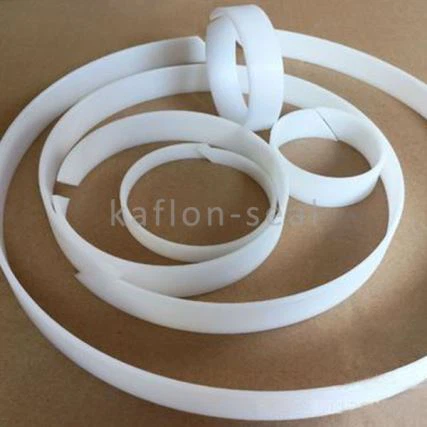
First off, what are hydraulic wear rings? They're essential components in hydraulic systems. They help guide pistons and rods, reduce friction, and prevent metal - to - metal contact. This not only extends the lifespan of the hydraulic equipment but also ensures its smooth operation.
Now, onto the surface finish. The surface finish of hydraulic wear rings refers to the texture and quality of their outer surface. It's measured in terms of roughness, waviness, and lay. A good surface finish can make a huge difference in how well the wear ring performs.
Let's talk about roughness. Roughness is the fine irregularities on the surface of the wear ring. If the surface is too rough, it can cause increased friction. This means more energy is wasted in the form of heat, and the wear ring and other components in the hydraulic system will wear out faster. On the other hand, if the surface is too smooth, it might not hold lubricant properly. Lubricant is crucial as it forms a thin film between the wear ring and the mating surface, reducing friction and wear.
Waviness is another aspect of surface finish. It's the more widely spaced irregularities on the surface. Excessive waviness can lead to uneven contact between the wear ring and the piston or rod. This can result in uneven wear, and in extreme cases, it might even cause the hydraulic system to malfunction.
Lay refers to the direction of the predominant surface pattern. The right lay can help with the flow of lubricant and the distribution of pressure. For example, a circumferential lay on a cylindrical wear ring can promote better lubricant flow around the piston or rod.
As a supplier, I know that getting the right surface finish is a balancing act. We use advanced manufacturing techniques to control the surface finish of our hydraulic wear rings. We start with high - quality materials and then use precision machining processes like grinding and honing. These processes allow us to achieve the desired roughness, waviness, and lay.
We also perform strict quality control checks. We use specialized instruments to measure the surface finish of each wear ring. This ensures that every product we supply meets the high standards required for hydraulic systems.
Now, let's talk about how the surface finish of hydraulic wear rings relates to other hydraulic seals. There are various types of hydraulic seals like the TPU Hydraulic Seal PU Oring, Double Acting Glyd Seal, and Hydraulic Wiper Seals. These seals work in conjunction with the wear rings.
The surface finish of the wear rings can affect the performance of these seals. For example, if the wear ring has a poor surface finish, it can cause premature wear of the seals. This is because the rough or uneven surface can damage the seal material or prevent it from forming a proper seal. On the other hand, a well - finished wear ring can complement the seals, ensuring a more efficient and reliable hydraulic system.
In different hydraulic applications, the requirements for the surface finish of wear rings can vary. In high - pressure hydraulic systems, a smoother surface finish is often preferred. This is because high pressure can exacerbate the effects of friction and wear. A smoother surface can handle the pressure better and reduce the risk of component failure.
In low - pressure applications, the surface finish requirements might be a bit more lenient. However, it's still important to have a surface finish that allows for proper lubrication and contact with other components.
We, as a supplier, understand these different requirements. That's why we offer a range of hydraulic wear rings with different surface finishes to meet the needs of various applications. Whether you're working on a small - scale hydraulic project or a large - industrial one, we've got the right wear rings for you.
When it comes to choosing the right hydraulic wear rings, don't just focus on the surface finish. You also need to consider other factors like the material of the wear ring, its size, and its compatibility with the rest of the hydraulic system. But the surface finish is definitely a key factor that shouldn't be overlooked.
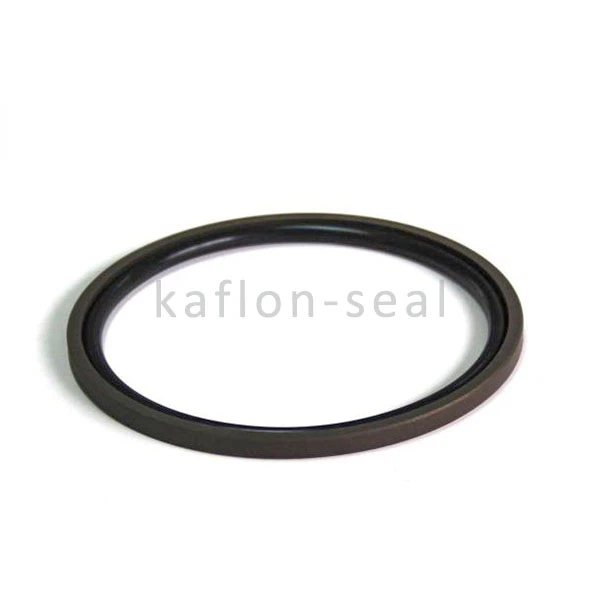

If you're in the market for high - quality hydraulic wear rings, we're here to help. We've got the expertise and the products to ensure your hydraulic system runs smoothly and efficiently. Whether you have questions about surface finish or need advice on which wear rings are right for your application, feel free to reach out. We're always happy to have a chat and help you make the best choice for your hydraulic needs. Contact us for a free consultation and let's start a great business relationship.
References
- "Hydraulic Seals Handbook"
- "Advanced Manufacturing Processes for Precision Components"
- Industry reports on hydraulic system performance and component wear