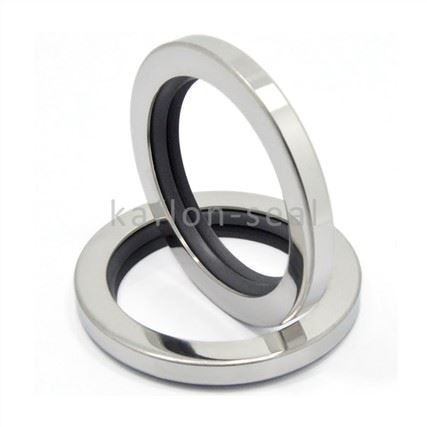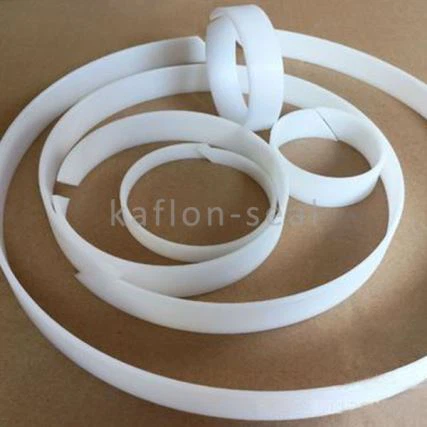

Spring energized seals are a critical component in a wide range of industrial applications, offering superior sealing performance in demanding environments. As a leading supplier of spring energized seals, I've witnessed firsthand the importance of understanding their static sealing performance. In this blog post, I'll delve into what static sealing performance means for spring energized seals, how it's measured, and the factors that influence it.
Understanding Static Sealing Performance
Static sealing refers to the ability of a seal to prevent fluid or gas leakage in a non - moving application. In the context of spring energized seals, static sealing performance is about maintaining a reliable barrier between two media, such as a liquid and a gas or two different types of fluids, when there is no relative motion between the sealing surfaces.
Spring energized seals consist of a sealing jacket, typically made of materials like PTFE (Polytetrafluoroethylene), and a spring element. The spring provides the necessary force to keep the sealing jacket in contact with the mating surfaces, creating a tight seal. The static sealing performance of these seals is crucial in applications where leakage can lead to safety hazards, environmental pollution, or equipment malfunction.
Measuring Static Sealing Performance
There are several key parameters used to measure the static sealing performance of spring energized seals:
Leakage Rate
The leakage rate is perhaps the most direct measure of a seal's performance. It is defined as the amount of fluid or gas that passes through the seal per unit of time. A lower leakage rate indicates better sealing performance. Leakage rate is typically measured using specialized equipment in a controlled laboratory environment. For example, helium mass spectrometry can be used to detect extremely small amounts of gas leakage.
Sealability
Sealability refers to the ability of the seal to form a continuous and effective barrier against the medium being sealed. It is influenced by factors such as the surface finish of the mating parts, the material properties of the sealing jacket, and the design of the spring. A seal with high sealability will have minimal gaps or imperfections that could allow leakage.
Compression Set
Compression set is the permanent deformation of the sealing material after it has been compressed for a certain period. A low compression set is desirable for spring energized seals because it ensures that the seal can maintain its sealing force over time. If a seal has a high compression set, it may lose its ability to apply the necessary pressure to the mating surfaces, leading to increased leakage.
Factors Influencing Static Sealing Performance
Material Selection
The choice of materials for the sealing jacket and the spring is crucial for static sealing performance. PTFE is a popular choice for the sealing jacket due to its excellent chemical resistance, low friction coefficient, and high temperature tolerance. However, different grades of PTFE may have different properties, and the selection should be based on the specific application requirements.
The spring material also plays an important role. Stainless steel springs are commonly used because of their corrosion resistance and high strength. However, in applications where higher temperatures or more aggressive chemicals are present, other materials such as Inconel may be more suitable.
Design and Geometry
The design and geometry of the spring energized seal can significantly affect its static sealing performance. The shape of the sealing jacket, the pitch and diameter of the spring, and the overall dimensions of the seal all need to be carefully considered. For example, a well - designed seal will have a uniform contact pressure distribution along the sealing surface, which helps to prevent leakage.
The Static Seal Teflon Ball Valve Stem Lip is a great example of a seal with a specific design optimized for static sealing in ball valve applications. Its unique shape and material combination ensure a tight seal even under high pressure and temperature conditions.
Operating Conditions
The operating conditions, such as temperature, pressure, and the nature of the medium being sealed, have a major impact on the static sealing performance of spring energized seals. High temperatures can cause the sealing material to expand or lose its elasticity, while high pressures can increase the stress on the seal and potentially lead to leakage.
For example, in a chemical processing plant, the seals may be exposed to aggressive chemicals that can degrade the sealing material over time. In such cases, a PTFE Jacket And Metal Spring Loaded Energised Seal can be a good choice due to the chemical resistance of PTFE.
Installation and Maintenance
Proper installation and maintenance are essential for ensuring the static sealing performance of spring energized seals. During installation, the seal must be carefully positioned and compressed to the correct specifications. Any misalignment or over - compression can lead to premature failure of the seal.
Regular maintenance, including inspection and replacement of worn seals, is also important. Over time, the sealing material may wear out or the spring may lose its elasticity, reducing the seal's performance.
Applications of Spring Energized Seals with Excellent Static Sealing Performance
Spring energized seals with good static sealing performance are used in a wide variety of industries:
Aerospace
In the aerospace industry, spring energized seals are used in critical applications such as fuel systems, hydraulic systems, and engine components. The high reliability and low leakage requirements make these seals essential for ensuring the safety and performance of aircraft.
Semiconductor
In semiconductor manufacturing, where clean and contamination - free environments are crucial, spring energized seals are used to prevent the leakage of process gases and chemicals. The Carbon Spring Energized Seal is often used in semiconductor applications due to its excellent chemical resistance and low outgassing properties.
Oil and Gas
In the oil and gas industry, spring energized seals are used in valves, pumps, and other equipment to prevent the leakage of hydrocarbons and other fluids. The harsh operating conditions, including high pressure and temperature, require seals with superior static sealing performance.


Conclusion
The static sealing performance of spring energized seals is a complex but crucial aspect of their functionality. By understanding the factors that influence this performance, such as material selection, design, operating conditions, and installation, users can ensure that they choose the right seal for their specific application.
As a supplier of spring energized seals, we are committed to providing high - quality products that meet the most demanding static sealing requirements. Our team of experts can help you select the best seal for your application and provide support throughout the installation and maintenance process.
If you are in need of spring energized seals for your project, we invite you to contact us for a detailed discussion. Our experienced sales team is ready to assist you in finding the optimal sealing solution and can provide you with a competitive quote. Don't hesitate to reach out and start the procurement process.
References
- "Sealing Technology Handbook" by John H. Bickford
- "Materials Science and Engineering: An Introduction" by William D. Callister Jr.
- Industry standards and guidelines related to spring energized seals.