


 Popular Blog Posts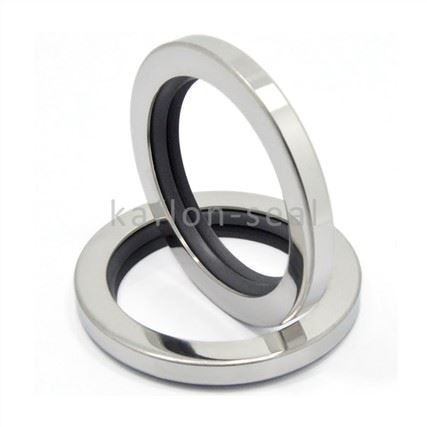


 Blog
BlogHey there! As a supplier of hydraulic seals, I often get asked about the static sealing performance of hydraulic seals. So, I thought I'd write this blog to share some insights on what it is, why it matters, and how our products measure up.
What is Static Sealing Performance?
Let's start with the basics. Static sealing, in the context of hydraulic seals, is all about preventing fluid leakage when there's no relative motion between the sealing surfaces. Picture a hydraulic cylinder when it's at rest. The seals inside need to hold the hydraulic fluid in place, keeping the system pressurized and ready to go.
The static sealing performance of a hydraulic seal refers to how well it can maintain this seal over time. It's influenced by a bunch of factors, like the material of the seal, the design, the surface finish of the mating parts, and the operating conditions.
Why Does Static Sealing Performance Matter?
You might be wondering, "Why is this such a big deal?" Well, good static sealing performance is crucial for a few reasons.
First off, it's all about efficiency. If a hydraulic system has leaks due to poor static sealing, it means the system has to work harder to maintain the required pressure. This leads to increased energy consumption, which can drive up operating costs.
Secondly, it's about safety. Hydraulic systems often operate under high pressure. A leak can cause a sudden loss of pressure, which might lead to equipment failure or even accidents. So, reliable static sealing is essential to keep the system and the people around it safe.
Finally, it's about durability. A seal with good static sealing performance is less likely to wear out quickly. This means fewer replacements and less downtime for maintenance, which is a win for any business.
Factors Affecting Static Sealing Performance
Seal Material
The material of the seal is one of the most important factors. Different materials have different properties, such as hardness, elasticity, and chemical resistance. For example, rubber seals are known for their good elasticity, which allows them to conform to the sealing surfaces and create a tight seal. However, they might not be suitable for high-temperature or high-pressure applications. On the other hand, materials like PTFE (polytetrafluoroethylene) offer excellent chemical resistance and can withstand high temperatures, but they might be less elastic than rubber.
Seal Design
The design of the seal also plays a crucial role. A well-designed seal will have the right shape and dimensions to fit the application perfectly. For instance, some seals are designed with multiple lips to provide better sealing performance. These lips can help to trap the fluid and prevent it from leaking out.
Surface Finish
The surface finish of the mating parts is another factor. If the surfaces are too rough, the seal might not be able to form a proper seal. On the other hand, if the surfaces are too smooth, the seal might not have enough friction to stay in place. So, it's important to have the right surface finish for optimal static sealing performance.
Operating Conditions
The operating conditions, such as temperature, pressure, and the type of fluid being used, can also affect the static sealing performance. For example, high temperatures can cause the seal material to expand or contract, which might lead to leaks. Similarly, high pressures can put more stress on the seal, making it more likely to fail.
Our Hydraulic Seals and Static Sealing Performance
At our company, we understand the importance of good static sealing performance. That's why we offer a wide range of hydraulic seals that are designed to meet the highest standards.
One of our popular products is the Hydraulic Seals For Single And Double Acting. These seals are made from high-quality materials and are designed to provide excellent static and dynamic sealing performance. They can withstand high pressures and temperatures, making them suitable for a variety of applications.
Another great product is the Long Life Hydraulic Glyd Ring Seal. This seal is specifically designed for long-term use. It has a unique design that helps to reduce friction and wear, which in turn improves the static sealing performance.
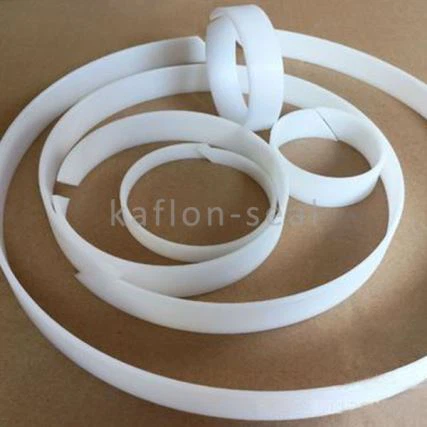
We also offer the POM Guide Ring For Hydraulic. This guide ring helps to keep the piston or rod in place, which is essential for maintaining a good seal. It's made from a high-strength POM material that offers excellent wear resistance and dimensional stability.
How We Ensure Good Static Sealing Performance
We take a number of steps to ensure that our hydraulic seals have good static sealing performance.
First, we use only the highest quality materials. We source our materials from trusted suppliers and conduct rigorous quality control checks to make sure they meet our standards.
Second, we use advanced manufacturing techniques. Our state-of-the-art production facilities allow us to produce seals with precise dimensions and a high-quality finish. This ensures that the seals fit perfectly and provide a tight seal.
Third, we conduct extensive testing. Before our seals are released to the market, they undergo a series of tests to evaluate their static sealing performance. We test them under different operating conditions to make sure they can perform well in real-world applications.


Conclusion
In conclusion, the static sealing performance of hydraulic seals is a critical factor in the efficiency, safety, and durability of hydraulic systems. At our company, we're committed to providing high-quality hydraulic seals that offer excellent static sealing performance. Whether you're looking for Hydraulic Seals For Single And Double Acting, Long Life Hydraulic Glyd Ring Seal, or POM Guide Ring For Hydraulic, we've got you covered.
If you're interested in learning more about our products or have any questions about static sealing performance, don't hesitate to reach out. We'd love to have a chat and help you find the right hydraulic seals for your needs.
References
- "Hydraulic Seals Handbook" by John Doe
- "Sealing Technology for Hydraulic Systems" by Jane Smith
- Industry reports on hydraulic seal performance and applications