


 Popular Blog Posts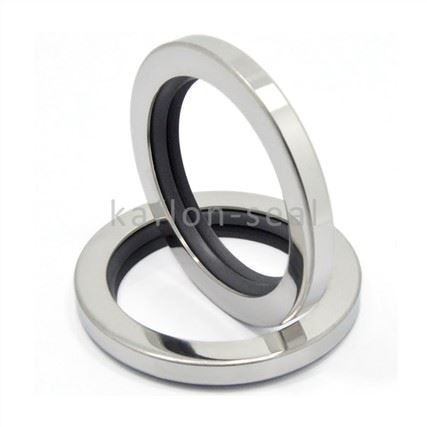



 Blog
BlogPTFE lip seals are widely used in various industrial applications due to their excellent chemical resistance, low friction, and wide temperature range performance. As a PTFE Lip Seal supplier, I often get asked about the sealing mechanism of these seals. In this blog post, I'll delve into the details of how PTFE lip seals work to provide effective sealing solutions.
Basic Structure of PTFE Lip Seals
Before we discuss the sealing mechanism, it's important to understand the basic structure of PTFE lip seals. A typical PTFE lip seal consists of a PTFE sealing lip and a metal or elastomeric housing. The PTFE lip is the key component that comes into contact with the shaft or the mating surface to prevent the leakage of fluids or the ingress of contaminants.
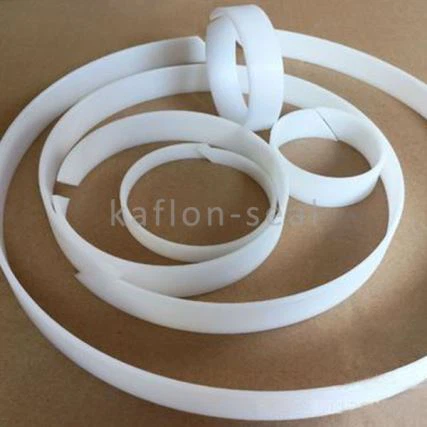
The PTFE material used in these seals has unique properties. It has a very low coefficient of friction, which means it can slide smoothly over the shaft surface without causing excessive wear. Additionally, PTFE is highly resistant to chemicals, including acids, bases, and solvents, making it suitable for use in harsh environments.
The Sealing Mechanism
The sealing mechanism of PTFE lip seals can be explained in terms of three main factors: the interference fit, the hydrodynamic effect, and the surface tension.

Interference Fit
The interference fit is the initial contact force between the PTFE lip and the shaft. When the seal is installed, the PTFE lip is designed to have a slight interference with the shaft diameter. This interference creates a radial force that presses the lip against the shaft surface. The magnitude of this force is crucial as it determines the initial sealing performance.
A proper interference fit ensures that there is a continuous contact between the lip and the shaft, preventing the passage of fluids. However, if the interference is too large, it can lead to excessive friction and wear, reducing the seal's lifespan. On the other hand, if the interference is too small, the seal may not provide an effective seal, allowing fluid leakage.
Hydrodynamic Effect
When the shaft rotates, a hydrodynamic effect is generated between the PTFE lip and the shaft surface. As the shaft rotates, it drags a thin layer of fluid along its surface. This fluid layer creates a pressure distribution that helps to maintain the seal.

The shape of the PTFE lip is designed to optimize this hydrodynamic effect. For example, some PTFE lip seals have a special profile, such as a helical or a conical shape, which enhances the fluid pumping action. This pumping action helps to return any leaked fluid back to the sealed side, improving the sealing efficiency.
Surface Tension
Surface tension also plays an important role in the sealing mechanism of PTFE lip seals. The PTFE material has a low surface energy, which means it has a poor wetting ability. When the fluid comes into contact with the PTFE lip, the surface tension of the fluid tends to pull it away from the lip surface, creating a barrier that prevents leakage.
The combination of the interference fit, the hydrodynamic effect, and the surface tension ensures that PTFE lip seals can provide reliable sealing performance even under challenging conditions.
Applications of PTFE Lip Seals
PTFE lip seals are used in a wide range of applications, including automotive, aerospace, chemical processing, and food and beverage industries.
In the automotive industry, PTFE lip seals are used in engines, transmissions, and differentials to prevent the leakage of oil and other fluids. Their low friction properties also help to improve the fuel efficiency of vehicles.
In the aerospace industry, PTFE lip seals are used in aircraft engines, hydraulic systems, and landing gear to ensure reliable operation in high-pressure and high-temperature environments.

In the chemical processing industry, PTFE lip seals are used to seal pumps, valves, and reactors that handle corrosive chemicals. Their excellent chemical resistance makes them an ideal choice for these applications.
In the food and beverage industry, PTFE lip seals are used to ensure the hygienic operation of processing equipment. Their non-stick properties and resistance to food-grade chemicals make them suitable for use in this industry.
Our Product Range
As a PTFE Lip Seal supplier, we offer a wide range of products to meet the diverse needs of our customers. Our product range includes Radial Shaft Seals With PTFE Lips, Screw Comprosser PTFE Oil Seal, and Rotary PTFE Lips Stainless Oil Seal.
Our radial shaft seals with PTFE lips are designed to provide excellent sealing performance in rotary applications. They are available in different sizes and configurations to suit various shaft diameters and operating conditions.
Our screw compressor PTFE oil seals are specifically designed for use in screw compressors. They are made from high-quality PTFE material and are engineered to withstand the high pressures and temperatures generated in these compressors.
Our rotary PTFE lips stainless oil seals are suitable for use in applications where corrosion resistance is required. The stainless steel housing provides additional protection against rust and corrosion, ensuring a long service life.
Conclusion
In conclusion, the sealing mechanism of PTFE lip seals is based on the combination of the interference fit, the hydrodynamic effect, and the surface tension. These factors work together to provide effective sealing performance in a wide range of applications.
As a PTFE Lip Seal supplier, we are committed to providing high-quality products that meet the needs of our customers. If you are looking for reliable PTFE lip seals for your application, please feel free to contact us for more information and to discuss your specific requirements. We look forward to working with you to provide the best sealing solutions for your needs.
References
- "Sealing Technology Handbook" by John H. Bickford
- "PTFE: Properties, Processing, and Applications" by S. K. De