


 Popular Blog Posts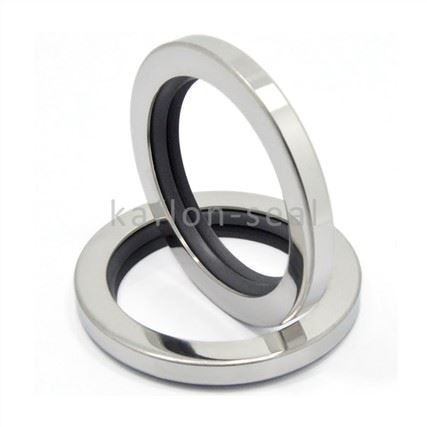



 Blog
BlogAs a supplier of PTFE lip seals, I've witnessed firsthand the growing demand for these remarkable sealing solutions across various industries. PTFE lip seals are renowned for their exceptional performance, durability, and versatility, making them a preferred choice for countless applications. In this blog post, I'll delve into the fascinating world of PTFE lip seals and explore their sealing mechanism, shedding light on what makes them so effective.
Understanding PTFE Lip Seals
Before we dive into the sealing mechanism, let's take a moment to understand what PTFE lip seals are. PTFE, or polytetrafluoroethylene, is a synthetic fluoropolymer known for its outstanding chemical resistance, low friction coefficient, and high temperature stability. These properties make PTFE an ideal material for sealing applications where other materials may fail.
A PTFE lip seal consists of a PTFE sealing lip and a metal or elastomeric spring. The sealing lip is the part of the seal that comes into contact with the shaft or housing, creating a barrier to prevent the leakage of fluids or gases. The spring provides the necessary radial force to keep the sealing lip in contact with the mating surface, ensuring a tight seal.


The Sealing Mechanism of PTFE Lip Seals
The sealing mechanism of PTFE lip seals is based on a combination of hydrodynamic and boundary lubrication principles. When the shaft rotates, a thin film of fluid is formed between the sealing lip and the shaft surface. This fluid film acts as a lubricant, reducing friction and wear between the two surfaces.
At the same time, the PTFE sealing lip conforms to the surface irregularities of the shaft, creating a tight seal that prevents the leakage of fluids or gases. The low friction coefficient of PTFE allows the sealing lip to slide smoothly over the shaft surface, minimizing heat generation and reducing the risk of wear and tear.
The radial force provided by the spring plays a crucial role in the sealing mechanism of PTFE lip seals. The spring ensures that the sealing lip maintains constant contact with the shaft surface, even under dynamic conditions. This helps to prevent the formation of gaps or leaks, ensuring a reliable seal.
Factors Affecting the Sealing Performance of PTFE Lip Seals
Several factors can affect the sealing performance of PTFE lip seals. These include:
- Shaft Surface Finish: The surface finish of the shaft has a significant impact on the sealing performance of PTFE lip seals. A smooth, polished shaft surface provides a better sealing surface, reducing the risk of leakage.
- Sealing Lip Design: The design of the sealing lip, including its shape, thickness, and hardness, can also affect the sealing performance of PTFE lip seals. A well-designed sealing lip can provide a better seal, even under challenging conditions.
- Operating Conditions: The operating conditions, such as temperature, pressure, and speed, can also affect the sealing performance of PTFE lip seals. High temperatures, pressures, and speeds can increase the stress on the sealing lip, reducing its lifespan and increasing the risk of leakage.
- Fluid Compatibility: The compatibility of the fluid with the PTFE material is also an important factor to consider. Some fluids may react with PTFE, causing it to swell or degrade, which can affect the sealing performance of the lip seal.
Applications of PTFE Lip Seals
PTFE lip seals are used in a wide range of applications across various industries, including automotive, aerospace, chemical processing, and food and beverage. Some common applications of PTFE lip seals include:
- Rotary Shaft Seals: Rotary PTFE Lips Stainless Oil Seal are used to prevent the leakage of oil or other fluids from rotating shafts, such as those found in engines, pumps, and gearboxes.
- Radial Shaft Seals: Radial PTFE Shaft Seal are used to seal the gap between a rotating shaft and a stationary housing, preventing the leakage of fluids or gases.
- Screw Compressor Seals: Screw Comprosser PTFE Oil Seal are used to seal the compression chamber of screw compressors, preventing the leakage of refrigerant or other fluids.
Conclusion
In conclusion, the sealing mechanism of PTFE lip seals is based on a combination of hydrodynamic and boundary lubrication principles. The PTFE sealing lip conforms to the surface irregularities of the shaft, creating a tight seal that prevents the leakage of fluids or gases. The radial force provided by the spring ensures that the sealing lip maintains constant contact with the shaft surface, even under dynamic conditions.
As a supplier of PTFE lip seals, we understand the importance of providing high-quality sealing solutions that meet the specific needs of our customers. Our PTFE lip seals are designed and manufactured to the highest standards, using the latest technology and materials. We offer a wide range of PTFE lip seals, including Rotary PTFE Lips Stainless Oil Seal, Radial PTFE Shaft Seal, and Screw Comprosser PTFE Oil Seal, to meet the diverse needs of our customers.
If you're looking for a reliable and high-performance sealing solution for your application, please don't hesitate to contact us. Our team of experts will be happy to assist you in selecting the right PTFE lip seal for your needs and provide you with the support and guidance you need to ensure a successful installation.
References
- "Sealing Technology Handbook," edited by John H. Birkle.
- "PTFE Seals: Design, Application, and Performance," by Michael P. Sepe.
- "Engineering Tribology," by Howard A. Spikes.