


 Popular Blog Posts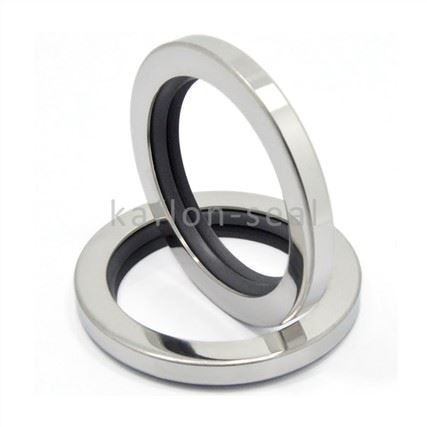


 Blog
BlogA radial oil seal, also recognized as a rotary shaft seal, is a crucial component in machinery, serving to prevent the leakage of fluids, such as oil or grease, and to keep contaminants out. Among its various parts, the garter spring plays a pivotal role. As a trusted radial oil seal supplier, I am excited to delve into the role of the garter spring in a radial oil seal, exploring its functions, importance, and impact on the overall performance of the seal.


Basic Structure of a Radial Oil Seal
Before we discuss the garter spring, let's briefly understand the basic structure of a radial oil seal. A typical radial oil seal consists of three main parts: the sealing lip, the metal case, and the garter spring. The sealing lip is the part that comes into contact with the shaft and creates a barrier against fluid leakage. The metal case provides structural support and helps to install the seal in the housing. And the garter spring, which is the focus of our discussion, is an essential element that significantly influences the sealing performance.
The Role of the Garter Spring
Maintaining Lip Contact Pressure
The primary role of the garter spring in a radial oil seal is to maintain a consistent radial force on the sealing lip. When the seal is installed on a shaft, the garter spring exerts a compressive force that presses the sealing lip against the shaft surface. This pressure is crucial for creating an effective seal. Without the garter spring, the sealing lip would not be able to maintain sufficient contact pressure with the shaft, especially as the seal wears over time or when the shaft experiences minor misalignments or vibrations.
The garter spring ensures that the sealing lip conforms to the shaft surface, filling any microscopic irregularities and preventing fluid leakage. This is particularly important in applications where the shaft rotates at high speeds or operates under varying pressures and temperatures. For example, in automotive engines, the garter spring helps the radial oil seal to maintain a tight seal around the crankshaft, preventing oil from leaking into the engine's external environment and ensuring proper lubrication of the engine components.
Compensating for Wear
Over time, the sealing lip of a radial oil seal will naturally wear due to friction with the rotating shaft. This wear can reduce the contact pressure between the lip and the shaft, potentially leading to fluid leakage. The garter spring helps to compensate for this wear by maintaining a constant radial force on the lip. As the lip wears, the spring contracts slightly, adjusting the pressure to ensure that the lip continues to make proper contact with the shaft.
This self - adjusting feature of the garter spring extends the service life of the radial oil seal. It allows the seal to maintain its sealing performance for a longer period, reducing the need for frequent replacements and minimizing downtime in industrial applications. For instance, in industrial pumps, the garter spring in the radial oil seal ensures that the seal remains effective even after long - term use, preventing the leakage of pumped fluids and maintaining the efficiency of the pump.
Adapting to Shaft Movements
Shafts in machinery can experience various types of movements, such as axial movement, radial movement, and angular misalignment. These movements can pose challenges to the sealing performance of a radial oil seal. The garter spring helps the seal to adapt to these movements by allowing the sealing lip to flex and adjust its position.
When the shaft moves axially, the garter spring enables the lip to follow the movement while still maintaining contact pressure. Similarly, in the case of radial movement or angular misalignment, the spring allows the lip to conform to the changing shaft position, ensuring a continuous seal. This adaptability is crucial in applications where the shaft is subject to dynamic movements, such as in rotating equipment in the aerospace and marine industries.
Impact on Seal Performance
Leakage Prevention
The proper functioning of the garter spring is directly related to the ability of the radial oil seal to prevent leakage. A well - designed garter spring with the appropriate stiffness and tension ensures that the sealing lip maintains a tight seal around the shaft, minimizing the risk of fluid leakage. This is essential for the safe and efficient operation of machinery. For example, in hydraulic systems, even a small amount of oil leakage can lead to a loss of pressure, reduced system efficiency, and potential damage to other components.
Friction and Heat Generation
The garter spring also has an impact on the friction and heat generation between the sealing lip and the shaft. The contact pressure exerted by the spring affects the frictional force between the two surfaces. If the spring tension is too high, it can increase the friction, leading to excessive heat generation. This can cause premature wear of the sealing lip and reduce the service life of the seal. On the other hand, if the spring tension is too low, the seal may not provide an effective barrier against fluid leakage.
Therefore, selecting the right garter spring with the appropriate tension is crucial for optimizing the balance between sealing performance and friction. As a radial oil seal supplier, we offer a wide range of garter springs with different specifications to meet the specific requirements of various applications.
Different Types of Garter Springs
There are several types of garter springs used in radial oil seals, each with its own characteristics and advantages.
Helical Garter Springs
Helical garter springs are the most common type. They are made by winding a wire into a helical shape and then joining the ends to form a circular spring. Helical garter springs provide a uniform radial force around the sealing lip, ensuring consistent contact pressure. They are relatively easy to manufacture and are suitable for a wide range of applications.
Spiral Garter Springs
Spiral garter springs are formed by winding a flat strip of material into a spiral shape. These springs offer a more precise and adjustable radial force compared to helical garter springs. They are often used in applications where high - precision sealing is required, such as in medical equipment. You can find more information about Medical Equipment Rotary PTFE POB Oil Seal on our website.
Importance in Different Industries
The garter spring in a radial oil seal is of great importance in various industries.
Automotive Industry
In the automotive industry, radial oil seals with garter springs are used in engines, transmissions, and differentials. They prevent the leakage of engine oil, transmission fluid, and differential oil, ensuring the proper functioning of these critical components. The garter spring helps to maintain the seal under high - speed rotation and varying operating conditions, contributing to the reliability and longevity of automotive vehicles.
Industrial Machinery
Industrial machinery, such as pumps, compressors, and motors, also rely on radial oil seals with garter springs. These seals prevent the leakage of lubricants and process fluids, protecting the machinery from damage and ensuring efficient operation. For example, in a centrifugal pump, the garter spring in the radial oil seal helps to maintain a tight seal around the rotating shaft, preventing the leakage of the pumped fluid and maintaining the pump's performance. You can explore our Dynamic Sealing Rotary Shaft Seal Ring for more details on seals suitable for industrial machinery.
Medical Industry
In the medical industry, where precision and reliability are of utmost importance, radial oil seals with garter springs are used in medical equipment such as surgical robots, diagnostic machines, and infusion pumps. These seals prevent the leakage of fluids and ensure a clean and sterile environment. The garter spring helps to maintain the seal even under the delicate and precise movements required in medical applications. Our Double Lips PTFE Oil Seal is a great option for medical equipment.
Conclusion
The garter spring is an indispensable component in a radial oil seal. Its role in maintaining lip contact pressure, compensating for wear, and adapting to shaft movements is crucial for the effective sealing performance of the radial oil seal. The proper selection and design of the garter spring can significantly enhance the reliability and service life of the seal, making it suitable for a wide range of applications in different industries.
As a leading radial oil seal supplier, we understand the importance of the garter spring in the performance of our seals. We offer a comprehensive range of radial oil seals with high - quality garter springs to meet the diverse needs of our customers. Whether you are in the automotive, industrial, or medical industry, we have the right seal solution for you. If you are interested in our products or have any questions about radial oil seals and garter springs, please feel free to contact us for procurement and further discussions.
References
- "Sealing Technology Handbook" by John D. Carlson
- "Rotary Shaft Seals: Design, Selection, and Application" by Klaus - Dieter Möhring
- Industry standards and technical documents related to radial oil seals and garter springs.