


 Popular Blog Posts


 Blog
BlogHey there! As a supplier of Pom Guide Rings, I often get asked about the price range of these nifty little components. So, I thought I'd take some time to break it down for you and give you a better idea of what to expect when you're looking to purchase Pom Guide Rings.
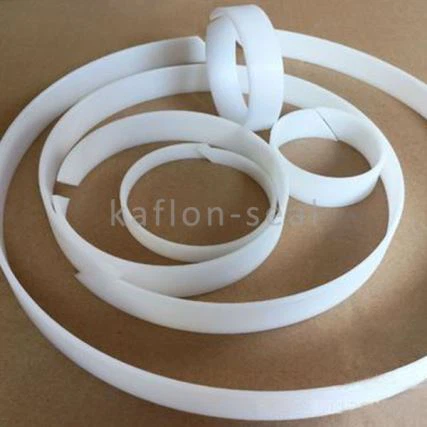
First off, let's talk about what Pom Guide Rings are and why they're so important. Pom Guide Rings, also known as POM (Polyoxymethylene) Guide Rings, are critical in hydraulic and pneumatic systems. They're used to guide pistons and rods, ensuring smooth and efficient operation. They also help reduce friction, prevent metal-to-metal contact, and protect the seals in the system. In short, they play a crucial role in the overall performance and longevity of hydraulic and pneumatic equipment.
Now, onto the million-dollar question: what's the price range of Pom Guide Rings? Well, the truth is, it can vary quite a bit depending on several factors. Let's take a look at some of the key factors that influence the price of Pom Guide Rings.
1. Size and Dimensions
One of the most significant factors affecting the price of Pom Guide Rings is their size and dimensions. Generally speaking, larger Pom Guide Rings will cost more than smaller ones. This is because they require more material to manufacture, and the production process can be more complex. Additionally, custom-sized Pom Guide Rings, which are made to specific dimensions requested by the customer, will also typically cost more than standard-sized rings.
2. Material Quality
The quality of the material used to make the Pom Guide Rings also plays a big role in determining their price. High-quality POM materials, which offer better wear resistance, chemical resistance, and mechanical properties, will generally cost more than lower-quality materials. At our company, we use only the highest quality POM materials to ensure that our Pom Guide Rings meet the highest standards of performance and durability.
3. Quantity
Another factor that can influence the price of Pom Guide Rings is the quantity you're purchasing. In general, buying in bulk will result in a lower per-unit cost. This is because manufacturers can often offer discounts for larger orders due to economies of scale. So, if you're planning to use a large number of Pom Guide Rings in your hydraulic or pneumatic systems, it's usually a good idea to buy them in bulk to save money.


4. Manufacturer and Brand
The manufacturer and brand of the Pom Guide Rings can also affect their price. Well-established manufacturers with a reputation for producing high-quality products may charge more for their Pom Guide Rings than lesser-known brands. However, it's important to remember that a higher price doesn't always guarantee better quality. When choosing a supplier, it's essential to do your research and look for a company that has a proven track record of producing reliable and durable Pom Guide Rings.
Price Range Breakdown
So, now that we've discussed the factors that influence the price of Pom Guide Rings, let's take a look at a general price range. Keep in mind that these prices are approximate and can vary depending on the factors mentioned above.
- Small Standard-Sized Pom Guide Rings: For small standard-sized Pom Guide Rings, you can expect to pay anywhere from $1 to $5 per ring. These rings are typically used in smaller hydraulic or pneumatic systems and are made from standard-quality POM materials.
- Medium-Sized Pom Guide Rings: Medium-sized Pom Guide Rings, which are used in a wider range of applications, usually cost between $5 and $15 per ring. These rings may be made from higher-quality POM materials and may have more precise dimensions.
- Large or Custom-Sized Pom Guide Rings: Large or custom-sized Pom Guide Rings can cost anywhere from $15 to $50 or more per ring. These rings require more material and may involve more complex manufacturing processes, which can drive up the price.
It's important to note that these prices are for individual Pom Guide Rings. If you're purchasing them in bulk, you can expect to get a better deal. Additionally, some suppliers may offer package deals or discounts for purchasing multiple types of guide rings or other related products.
Other Types of Guide Rings
While Pom Guide Rings are a popular choice for many hydraulic and pneumatic applications, there are other types of guide rings available as well. Here are a few examples:
- Hydraulic Polyurethane Wear Ring: These rings are made from polyurethane, which offers excellent wear resistance and flexibility. They're often used in applications where high-pressure and high-speed operation are required.
- Phenolic Fabric Guide Rings: Phenolic fabric guide rings are made from a combination of phenolic resin and fabric, which provides good mechanical properties and resistance to wear and tear. They're commonly used in hydraulic cylinders and other industrial applications.
- Wear-resistant Guide Ring: As the name suggests, these guide rings are designed to be highly wear-resistant. They can be made from a variety of materials, including POM, polyurethane, and phenolic fabric, and are suitable for use in demanding applications where long service life is required.
Conclusion
In conclusion, the price range of Pom Guide Rings can vary depending on several factors, including size, material quality, quantity, and manufacturer. By understanding these factors, you can make an informed decision when purchasing Pom Guide Rings for your hydraulic or pneumatic systems.
If you're in the market for Pom Guide Rings or any other type of guide rings, I encourage you to reach out to us. We're a leading supplier of high-quality guide rings, and we're committed to providing our customers with the best products and services at competitive prices. Whether you need standard-sized or custom-sized Pom Guide Rings, we can help you find the right solution for your needs.
So, don't hesitate to contact us today to discuss your requirements and get a quote. We look forward to working with you!
References
- "Hydraulic Seals and Components Handbook"
- "Pneumatic Systems Design and Application"
- Industry reports on hydraulic and pneumatic components