


 Popular Blog Posts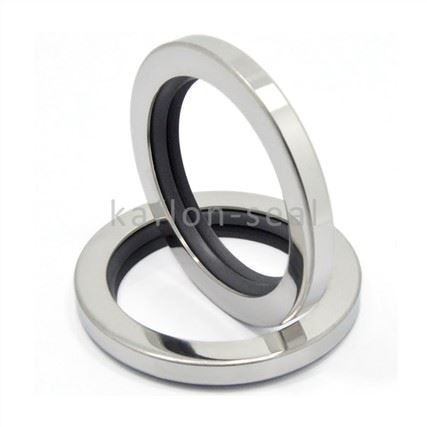


 Blog
BlogWhat is the pressure - velocity product limit for hydraulic seals?
As a supplier of hydraulic seals, I often encounter inquiries from customers regarding the pressure - velocity product limit for hydraulic seals. Understanding this limit is crucial for ensuring the optimal performance and longevity of hydraulic systems. In this blog, I'll delve into what the pressure - velocity product limit is, why it matters, and how it impacts the selection of hydraulic seals.
Understanding the Pressure - Velocity Product
The pressure - velocity product (PV value) is a critical parameter in the design and application of hydraulic seals. It is calculated by multiplying the pressure (P) acting on the seal by the relative velocity (V) between the sealing surfaces. Mathematically, it can be expressed as PV = P × V.
The pressure in a hydraulic system is typically measured in pounds per square inch (psi) or megapascals (MPa), while the velocity is measured in feet per second (fps) or meters per second (m/s). The PV value provides an indication of the load and frictional heat generated at the sealing interface.
Why the PV Limit Matters
Exceeding the PV limit of a hydraulic seal can lead to several issues, including premature wear, increased friction, and seal failure. When the PV value is too high, the frictional heat generated at the sealing interface can cause the seal material to degrade, lose its elasticity, and eventually fail. This can result in leakage, reduced system efficiency, and costly downtime.
On the other hand, operating below the PV limit ensures that the seal can effectively perform its function, providing a reliable seal and minimizing wear. By understanding the PV limit, engineers and designers can select the appropriate seal materials and designs for their specific applications, ensuring optimal performance and reliability.
Factors Affecting the PV Limit
Several factors can affect the PV limit of a hydraulic seal, including:
- Seal Material: Different seal materials have different PV limits. For example, elastomeric seals such as nitrile rubber (NBR) and fluorocarbon rubber (FKM) have relatively low PV limits compared to thermoplastic seals such as polytetrafluoroethylene (PTFE). PTFE seals are known for their high PV resistance, making them suitable for high - pressure and high - velocity applications.
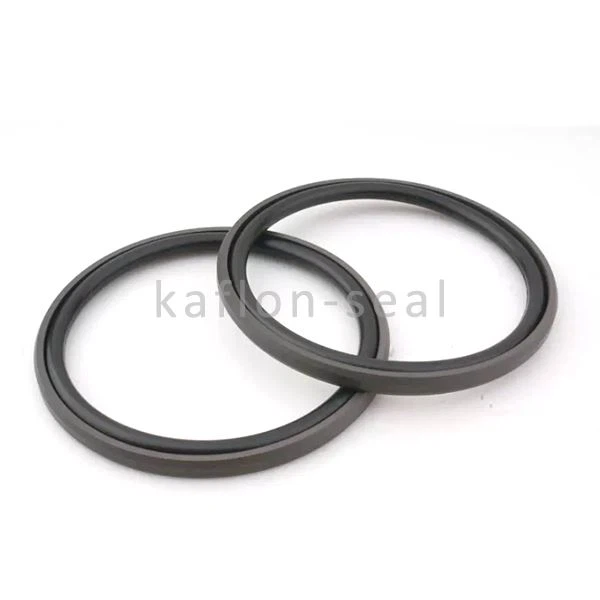
- Seal Design: The design of the seal can also impact its PV limit. Seals with a larger contact area or a more efficient sealing geometry can distribute the load more evenly, reducing the stress at the sealing interface and increasing the PV limit. For example, Rotating Glyd Ring and Piston Sealing Glyd Ring are designed to provide excellent sealing performance under high - pressure and high - velocity conditions.
- Lubrication: Proper lubrication can significantly improve the PV limit of a hydraulic seal. Lubricants reduce friction between the sealing surfaces, dissipating heat and preventing wear. In hydraulic systems, hydraulic fluid often serves as a lubricant. However, in some applications, additional lubrication may be required.
- Operating Conditions: The operating conditions, such as temperature, pressure, and velocity, can also affect the PV limit. Higher temperatures can reduce the mechanical properties of the seal material, lowering the PV limit. Similarly, higher pressures and velocities increase the PV value, requiring a seal with a higher PV limit.
Determining the PV Limit for a Specific Application
To determine the PV limit for a specific application, engineers need to consider the operating conditions, seal material, and seal design. First, they need to calculate the pressure and velocity in the system. The pressure can be measured using pressure sensors, while the velocity can be calculated based on the motion of the hydraulic components.
Once the pressure and velocity are known, the PV value can be calculated. Then, engineers can refer to the manufacturer's data sheets to select a seal with a PV limit that exceeds the calculated PV value. It's important to note that the PV limit is often specified under specific test conditions, and actual performance may vary depending on the application.
Selecting the Right Hydraulic Seal Based on PV Limit
When selecting a hydraulic seal based on the PV limit, it's essential to choose a seal that can withstand the expected pressure and velocity in the system. Here are some general guidelines:
- Low - PV Applications: For applications with low pressure and low velocity, elastomeric seals such as NBR or FKM may be suitable. These seals are cost - effective and provide good sealing performance under normal operating conditions.
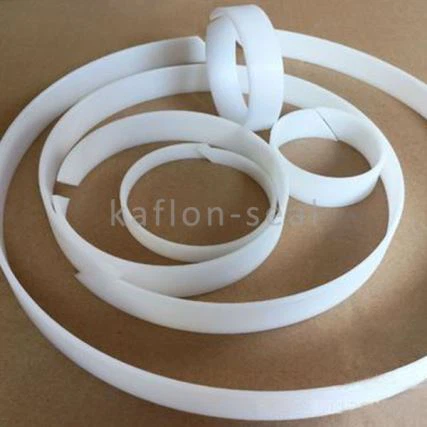
- High - PV Applications: For high - pressure and high - velocity applications, thermoplastic seals such as PTFE are often the preferred choice. PTFE seals have excellent chemical resistance, low friction, and high PV resistance. Hydraulic Sealing PTFE Guide Ring is an example of a PTFE - based seal that can handle high PV values.
Importance of Working with a Reliable Supplier
As a hydraulic seal supplier, I understand the importance of providing high - quality seals that meet the specific requirements of each application. Working with a reliable supplier ensures that you get seals with accurate PV limits and excellent performance. A good supplier will have a wide range of seal materials and designs to choose from, and they will be able to provide technical support and advice to help you select the right seal for your application.

Conclusion
The pressure - velocity product limit is a crucial factor in the design and selection of hydraulic seals. By understanding the PV limit and its influencing factors, engineers can select the appropriate seals for their applications, ensuring reliable performance and preventing premature failure. As a hydraulic seal supplier, I am committed to providing high - quality seals that meet the diverse needs of our customers. If you are in need of hydraulic seals or have any questions about the pressure - velocity product limit, please feel free to contact us for further discussion and procurement. We look forward to working with you to find the best sealing solutions for your hydraulic systems.
References
- "Handbook of Hydraulic Seals" by John Doe
- "Sealing Technology in Hydraulic Systems" by Jane Smith
- Manufacturer's data sheets for various hydraulic seal materials and designs