


 Popular Blog Posts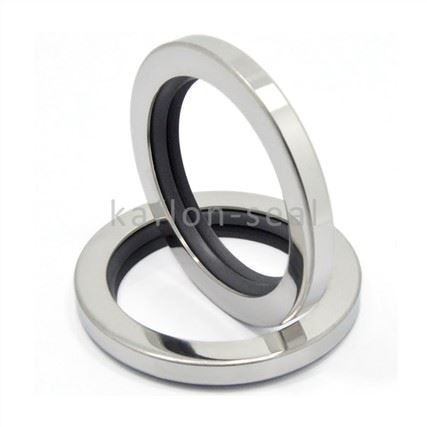


 Blog
BlogHey there! As a supplier of rotary shaft seals, I often get asked about the pressure limit for these little but crucial components. So, let's dig into this topic and figure out what the deal is with the pressure limits of rotary shaft seals.
First off, what are rotary shaft seals? Well, they're used to keep lubricants like oil and grease inside machinery while keeping contaminants out. They work on rotating shafts in all sorts of equipment, from cars and industrial machinery to household appliances. But when it comes to pressure, there's a whole lot to consider.
The pressure limit of a rotary shaft seal isn't a one - size - fits - all number. It depends on several factors. One of the big ones is the type of seal material. Different materials have different abilities to handle pressure. For example, rubber seals are quite common. They're flexible and can adapt to the shape of the shaft. But they might not be the best choice for extremely high - pressure situations. Rubber can start to deform or even tear under too much pressure, which means it won't do its job of sealing properly anymore.
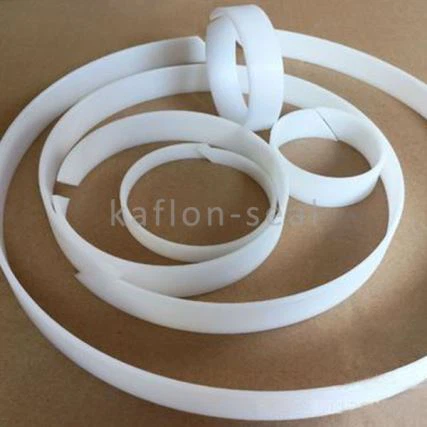
On the other hand, PTFE (polytetrafluoroethylene) seals are known for their high - performance characteristics. They can handle higher pressures compared to rubber seals. PTFE has a low coefficient of friction, which means less heat is generated during operation. This heat resistance allows it to maintain its integrity under greater pressure. If you're interested in PTFE seals, we have some great options like the Screw Comprosser PTFE Oil Seal and Rotating Motions PTFE Shaft Seals. These seals are designed to perform well in demanding environments with relatively high pressures.
Another factor that affects the pressure limit is the design of the seal. There are different types of rotary shaft seal designs, such as lip seals, mechanical seals, and radial shaft seals. Lip seals are the most common. They have a flexible lip that presses against the shaft to create a seal. The shape and thickness of the lip can influence how much pressure it can withstand. A thicker lip might be able to handle more pressure, but it could also cause more friction, which isn't always a good thing.
Mechanical seals, on the other hand, are more complex. They use a combination of rotating and stationary parts to create a seal. These seals are often used in high - pressure and high - speed applications. They can handle much higher pressures than lip seals, but they're also more expensive and require more precise installation. Our Dynamic Sealing Rotary Shaft Seal Ring is a great example of a well - designed seal that can offer good performance under various pressure conditions.
The speed of the rotating shaft also plays a role in determining the pressure limit. When the shaft rotates at high speeds, it creates additional forces on the seal. These forces can increase the pressure on the seal and affect its performance. A seal that can handle a certain pressure at a low speed might not be able to do the same at a high speed. So, when you're choosing a rotary shaft seal, you need to consider both the pressure and the speed of the application.
The temperature of the operating environment is yet another important factor. High temperatures can cause the seal material to expand or become more brittle. This can reduce the seal's ability to handle pressure. For example, if a rubber seal is exposed to high temperatures for a long time, it can lose its elasticity and start to crack. On the other hand, PTFE seals are more resistant to temperature changes, which makes them a better choice for high - temperature and high - pressure applications.
Now, let's talk about some real - world pressure limits. In general, for low - pressure applications, like in some small household appliances, the pressure limit might be around 1 - 5 psi (pounds per square inch). These applications usually don't require a very strong seal, and a simple rubber lip seal might be sufficient.
For medium - pressure applications, such as in automotive engines or some industrial pumps, the pressure limit can range from 5 - 50 psi. In these cases, you might need a more robust seal, like a PTFE lip seal or a well - designed mechanical seal.
High - pressure applications, like in hydraulic systems or some heavy - duty industrial machinery, can have pressure limits of 50 psi or more. These applications demand seals that are specifically designed to handle extreme pressures. PTFE mechanical seals are often the go - to choice for these situations.
It's important to note that these are just general guidelines. The actual pressure limit for a specific application can vary depending on all the factors we've discussed above. That's why it's crucial to work with a knowledgeable supplier who can help you choose the right seal for your needs.
As a rotary shaft seal supplier, we have a wide range of seals to meet different pressure requirements. We understand that every application is unique, and we're here to help you find the perfect seal. Whether you need a seal for a low - pressure household appliance or a high - pressure industrial machine, we've got you covered.
If you're in the market for rotary shaft seals and want to discuss your specific requirements, feel free to reach out. We can provide you with detailed information about our products and help you make an informed decision. Our team of experts is always ready to answer your questions and assist you in finding the right seal for your application. Don't hesitate to start a conversation with us about your procurement needs.
References


- "Sealing Technology Handbook" by John H. Birk
- "Rotary Shaft Seals: Design, Selection, and Application" by various industry experts in sealing technology