


 Popular Blog Posts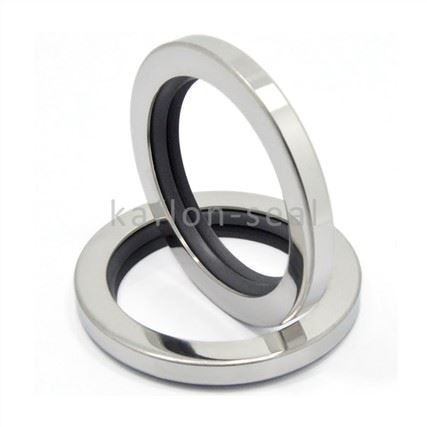



 Blog
BlogHey there! As a supplier of radial oil seals, I often get asked about the operating temperature range of these seals. It's a crucial question because the temperature can significantly impact the performance and lifespan of a radial oil seal. In this blog post, I'm going to break down everything you need to know about the operating temperature range of radial oil seals.
Understanding Radial Oil Seals
Before we dive into the temperature range, let's quickly go over what radial oil seals are. Radial oil seals, also known as rotary shaft seals, are used to prevent the leakage of fluids (usually oil) in rotating machinery. They work by creating a barrier between the rotating shaft and the housing, keeping the lubricant inside and contaminants out.
Factors Affecting the Operating Temperature Range
The operating temperature range of a radial oil seal is influenced by several factors. Here are some of the key ones:
Material
The material of the seal is perhaps the most important factor. Different materials have different temperature tolerances. For example, rubber seals like nitrile rubber (NBR) are commonly used and can typically operate in a temperature range of -40°C to 120°C. On the other hand, fluorocarbon rubber (FKM) seals can handle much higher temperatures, usually up to 200°C or even more.
Lubricant
The type of lubricant used also plays a role. Some lubricants can break down at high temperatures, which can then affect the seal. For instance, mineral oils may start to oxidize and form deposits at elevated temperatures, which can damage the seal over time. Synthetic lubricants, on the other hand, generally have better high - temperature stability.
Operating Conditions
The speed of the rotating shaft, the pressure in the system, and the presence of contaminants can all impact the temperature of the seal. Higher shaft speeds generate more heat due to friction, and high pressures can also increase the temperature. Contaminants like dirt and debris can cause abrasion and generate additional heat.
Common Temperature Ranges for Different Seal Materials
Let's take a closer look at some of the common materials used in radial oil seals and their typical operating temperature ranges:
Nitrile Rubber (NBR)
NBR is one of the most widely used materials for radial oil seals. It offers good resistance to oil, fuel, and other common fluids. The operating temperature range for NBR seals is usually between -40°C and 120°C. This makes it suitable for a wide range of applications, including automotive engines, industrial machinery, and household appliances.
Fluorocarbon Rubber (FKM)
FKM seals are known for their excellent chemical resistance and high - temperature performance. They can operate in a temperature range of -20°C to 200°C or even higher in some cases. FKM seals are often used in applications where high temperatures and aggressive chemicals are present, such as in the chemical processing industry and aerospace applications.
Silicone Rubber (VMQ)
Silicone rubber seals have good flexibility and can operate in a wide temperature range, typically from -60°C to 200°C. However, they are not as resistant to oil and fuel as NBR or FKM. Silicone seals are commonly used in applications where high - temperature flexibility is required, such as in some electrical equipment.
Polytetrafluoroethylene (PTFE)
PTFE is a high - performance material with excellent chemical resistance and low friction. PTFE Lip Seal can operate in a very wide temperature range, from -200°C to 260°C. PTFE seals are often used in demanding applications, such as in the medical and food industries, where high - temperature resistance and chemical compatibility are essential. Our Medical Equipment Rotary PTFE POB Oil Seal is a great example of a PTFE - based seal designed for specific high - performance applications.
Importance of Staying within the Temperature Range
It's crucial to ensure that the radial oil seal operates within its specified temperature range. If the temperature exceeds the upper limit, the seal material can start to degrade. This can lead to a loss of elasticity, cracking, and ultimately, leakage. On the other hand, if the temperature is too low, the seal material can become brittle and lose its sealing ability.
How to Determine the Right Seal for Your Temperature Requirements
When choosing a radial oil seal, you need to consider the maximum and minimum temperatures that the seal will be exposed to in your application. Here are some steps to help you make the right choice:
- Identify the Temperature Range: Determine the operating temperature range of your equipment. This may involve measuring the temperature at the seal location or referring to the equipment's technical specifications.
- Select the Material: Based on the temperature range, choose a seal material that can handle those temperatures. You can also consider other factors like chemical resistance and cost.
- Consult an Expert: If you're unsure which seal is right for your application, don't hesitate to consult with a seal expert. As a supplier, we have a lot of experience and can help you select the best Radial Shaft Seals With PTFE Lips or other types of seals for your specific needs.
Contact Us for Your Radial Oil Seal Needs
If you're in the market for radial oil seals and need to find the right ones for your temperature requirements, we're here to help. We offer a wide range of seals made from different materials to suit various applications. Whether you need a seal for a high - temperature industrial process or a low - temperature medical device, we have the expertise and products to meet your needs.


Don't hesitate to reach out to us to discuss your specific requirements. We can provide you with detailed information about our products, help you select the right seal, and offer competitive pricing. Let's work together to ensure the optimal performance of your equipment with the right radial oil seals.
References
- "Handbook of Sealing Technology" by Lebeck, A. O.
- "Sealing Devices and Their Selection" by H. A. Roth.