


 Popular Blog Posts


 Blog
BlogHey there! As a supplier of Polyurethanes Seal, I often get asked about the maximum pressure these seals can withstand. It's a crucial question, especially when it comes to applications where high - pressure environments are the norm. In this blog, I'm going to dig deep into this topic and share some insights.
Understanding Polyurethanes Seal
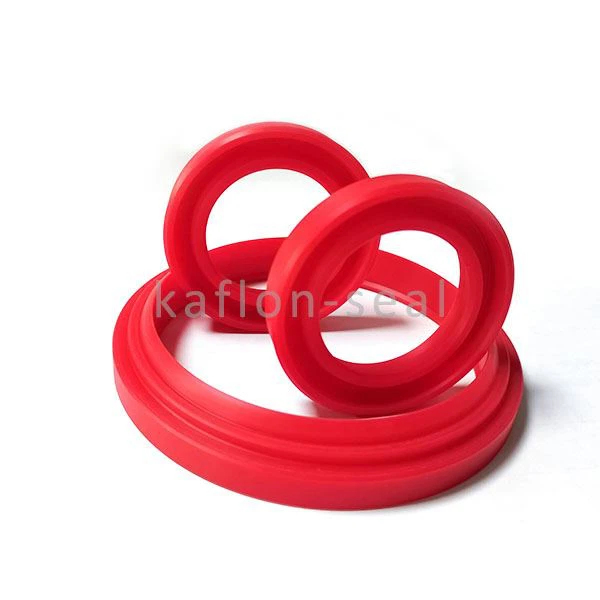
First off, let's talk a bit about what Polyurethanes Seal is. Polyurethane seals are known for their excellent mechanical properties, including high abrasion resistance, good tear strength, and great flexibility. These seals are used in a wide range of industries, from automotive to aerospace, and from industrial machinery to marine applications.
The material properties of polyurethane play a big role in determining how much pressure a seal can handle. Different formulations of polyurethane can have varying degrees of hardness, elasticity, and chemical resistance. For example, the Weather Resistant Rubber PU Seal is designed to withstand harsh weather conditions while still maintaining its sealing properties under pressure.
Factors Affecting Pressure Resistance
Material Hardness
One of the most significant factors affecting the maximum pressure a polyurethane seal can withstand is its hardness. Generally, harder polyurethane materials can handle higher pressures. A harder seal has less tendency to deform under pressure, which means it can maintain a better seal in high - pressure environments. However, it's a bit of a double - edged sword. Harder materials are often less flexible, which can make them more difficult to install and may reduce their ability to adapt to irregular surfaces.
Seal Design
The design of the seal also matters a great deal. A well - designed seal will distribute pressure evenly across its surface, reducing the risk of localized stress points that could lead to failure. For example, some seals are designed with specific cross - sectional shapes, like O - rings or lip seals, which are optimized for different pressure ranges and applications. The Gasoline Resistance MPU Seal might have a unique design that not only resists gasoline but also can handle the pressure fluctuations in a fuel system.
Temperature
Temperature can have a huge impact on the pressure resistance of polyurethane seals. At high temperatures, polyurethane can become softer and more prone to deformation, which reduces its ability to withstand pressure. On the other hand, at low temperatures, the material can become brittle, increasing the risk of cracking under pressure. That's why it's important to choose a seal that is suitable for the temperature range of the application. The Polyurethane with Resistant to Hydrolysis is often engineered to perform well under different temperature conditions while also resisting the effects of hydrolysis.
Determining the Maximum Pressure
There's no one - size - fits - all answer to the question of the maximum pressure a polyurethane seal can withstand. It can vary widely depending on the factors we just discussed. In some low - pressure applications, like a household appliance, a polyurethane seal might only need to withstand a few pounds per square inch (psi). But in industrial hydraulic systems, seals can be subjected to pressures of several thousand psi.
Manufacturers usually conduct extensive testing to determine the pressure ratings of their seals. These tests involve subjecting the seals to increasing pressures until they fail. However, it's important to note that the maximum pressure rating is often a conservative estimate. In real - world applications, factors like vibration, chemical exposure, and dynamic loading can all affect the actual pressure - handling capabilities of the seal.
Real - World Applications
Let's take a look at some real - world applications to see how the maximum pressure of polyurethane seals comes into play.
Automotive Industry
In cars, polyurethane seals are used in various places, such as engine gaskets and transmission seals. Engine gaskets need to withstand high pressures and temperatures generated by the combustion process. A typical engine gasket might need to handle pressures of up to 200 - 300 psi. Transmission seals, on the other hand, need to maintain a seal in the presence of hydraulic fluid under pressure, which can be in the range of 100 - 200 psi.
Industrial Hydraulics
Industrial hydraulic systems are known for their high - pressure environments. Hydraulic cylinders use polyurethane seals to prevent fluid leakage and maintain the pressure required for the system to operate. These seals can be subjected to pressures of 1000 - 5000 psi or even higher in some heavy - duty applications. The seals need to be able to handle these high pressures without deforming or failing, as a failure could lead to costly downtime and potential safety hazards.
Tips for Choosing the Right Seal
If you're in the market for a polyurethane seal, here are some tips to help you choose the right one for your application:

- Understand the Pressure Requirements: Know the maximum pressure your application will generate. This will help you narrow down your choices to seals with appropriate pressure ratings.
- Consider the Environment: Think about the temperature, chemical exposure, and other environmental factors your seal will be exposed to. Choose a seal that is resistant to these conditions.
- Check the Seal Design: Make sure the seal design is suitable for your application. Different designs are better for different pressure ranges and installation requirements.
Let's Talk Business
If you're looking for high - quality polyurethane seals that can handle the pressure of your application, I'm here to help. Whether you need the Weather Resistant Rubber PU Seal, the Gasoline Resistance MPU Seal, or the Polyurethane with Resistant to Hydrolysis, I can provide you with the right solutions. Don't hesitate to reach out and start a conversation about your specific needs. We can discuss the best options for your application and work together to ensure you get the most reliable seals.
References
- "Handbook of Elastomers" by Jacob K. Park.
- "Sealing Technology" by Robert J. Dwyer - Joyce.
- Industry reports on polyurethane seal performance testing.