


 Popular Blog Posts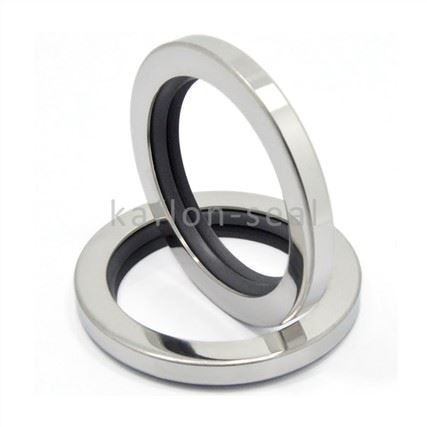


 Blog
BlogHey there! As a supplier of radial oil seals, I often get asked about the maximum pressure these little guys can handle. So, I thought I'd take some time to break it down for you.
First off, let's talk about what a radial oil seal is. In simple terms, it's a device used to keep lubricants like oil inside a system and prevent contaminants from getting in. They're super important in all sorts of machinery, from cars to industrial equipment.
Now, the maximum pressure a radial oil seal can withstand isn't a one - size - fits - all answer. It depends on a bunch of factors.
Material Matters
The material of the seal plays a huge role. We have different types of materials for radial oil seals, like rubber, PTFE (polytetrafluoroethylene), and others.
Rubber seals are pretty common. They're flexible and can handle a decent amount of pressure in normal operating conditions. But they have their limits. High - pressure situations can cause the rubber to deform or even break down over time. For example, in a hydraulic system with high - velocity fluid flow, a rubber seal might not be the best choice if the pressure is constantly pushing against it.
On the other hand, PTFE seals are known for their excellent chemical resistance and ability to handle higher pressures. PTFE has a low friction coefficient, which means it can maintain its shape and performance under stress. For instance, our Screw Comprosser PTFE Oil Seal is designed to work in high - pressure screw compressor systems. The PTFE material allows it to seal effectively even when the pressure inside the compressor is pushing hard against it.
Design and Construction
The design of the radial oil seal also affects its pressure - handling capacity. The shape of the seal, the way it's installed, and the internal structure all matter.
A well - designed seal will have a proper lip geometry. The lip is the part of the seal that makes contact with the shaft. If the lip is too thin, it might not be able to withstand high pressure and could get damaged easily. But if it's too thick, it might not provide a good seal. Our engineers spend a lot of time optimizing the lip design to ensure the best balance between sealing performance and pressure resistance.
The construction of the seal also includes things like the reinforcement. Some seals have metal or fiber reinforcements to add strength. These reinforcements help the seal maintain its shape under pressure. For example, in our Medical Equipment Rotary PTFE POB Oil Seal, the internal structure is carefully designed with appropriate reinforcements to handle the specific pressure requirements of medical equipment.
Operating Conditions
The environment in which the radial oil seal operates is another crucial factor. Temperature, speed, and the type of fluid being sealed all have an impact on the maximum pressure the seal can take.
High temperatures can soften the seal material, reducing its ability to withstand pressure. For example, in an engine where the temperature can get really high, the seal has to be able to maintain its integrity. If the temperature is too high and the pressure is also high, it can be a double - whammy for the seal.
The speed of the rotating shaft also matters. A high - speed shaft can create additional forces on the seal. The faster the shaft spins, the more dynamic the pressure on the seal becomes. Our Radial Shaft Seals With PTFE Lips are designed to handle high - speed applications. The PTFE lips reduce friction, which helps the seal perform better at high speeds and under pressure.
The type of fluid being sealed is also important. Some fluids are more aggressive than others. For example, chemicals or high - viscosity oils can put more stress on the seal. The seal material has to be compatible with the fluid to ensure it can handle the pressure without degrading.
Testing and Ratings
To figure out the maximum pressure a radial oil seal can withstand, we do a lot of testing. We use specialized equipment to simulate different operating conditions. We test the seals at various pressures, temperatures, and speeds to see how they perform.


Based on these tests, we assign pressure ratings to our seals. These ratings give you an idea of the maximum pressure the seal can handle under normal operating conditions. But it's important to note that these are just guidelines. In real - world applications, you need to consider all the factors we've talked about to make sure you're using the right seal for the job.
Case Studies
Let's look at a couple of real - world examples. In an automotive engine, the crankshaft seal has to deal with both high pressure from the oil circulation and high - speed rotation. A well - designed rubber seal might be sufficient for most passenger cars. But in a high - performance racing engine, where the pressure and speed are much higher, a PTFE - based seal would be a better choice.
In an industrial pump, the seal has to handle the pressure of the fluid being pumped. If it's a high - pressure pump, like a pump used in a water jet cutting system, a seal with high - pressure resistance is essential. Our PTFE seals have been used in such applications and have proven to be reliable.
Conclusion
So, what's the maximum pressure a radial oil seal can withstand? It's a complex question with no simple answer. It depends on the material, design, operating conditions, and more. But as a supplier, we're here to help you find the right seal for your specific needs.
If you're in the market for radial oil seals and need to figure out the best option for your application, don't hesitate to reach out. We have a team of experts who can guide you through the selection process and make sure you get a seal that can handle the pressure. Whether it's for a small machine or a large industrial system, we've got you covered.
References
- "Handbook of Seal Technology" by John H. Bickford
- "Sealing Technology for Rotating Equipment" by Tom Irvine