


 Popular Blog Posts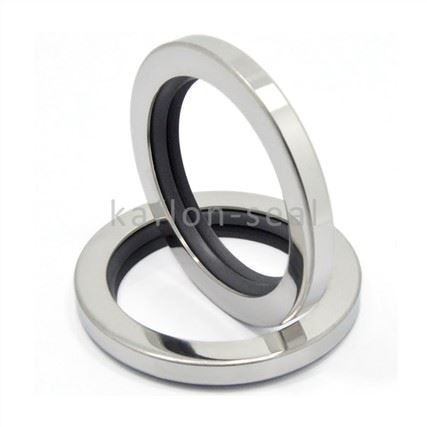


 Blog
BlogHey there! As a supplier of hydraulic wiper seals, I often get asked about the lifespan of these crucial components. So, let's dive right in and explore what affects the lifespan of hydraulic wiper seals and how you can make them last as long as possible.
What Are Hydraulic Wiper Seals?
First off, let's quickly go over what hydraulic wiper seals are. These seals are an essential part of hydraulic systems. Their main job is to keep dirt, dust, moisture, and other contaminants out of the system. By doing this, they protect the other components in the hydraulic system, like the pistons and rods, from damage and wear. Without proper wiper seals, your hydraulic system could face all sorts of problems, including leaks, reduced efficiency, and even complete failure.
Factors Affecting the Lifespan of Hydraulic Wiper Seals
There are several factors that can influence how long hydraulic wiper seals last. Let's take a look at some of the most important ones.
Operating Conditions
The environment in which the hydraulic system operates plays a huge role in the lifespan of the wiper seals. For example, if the system is used in a dirty or dusty environment, the seals will have to work harder to keep contaminants out. This can lead to faster wear and tear. Similarly, extreme temperatures can also affect the seals. High temperatures can cause the seal material to degrade, while low temperatures can make the material brittle and more prone to cracking.
Quality of the Seal Material
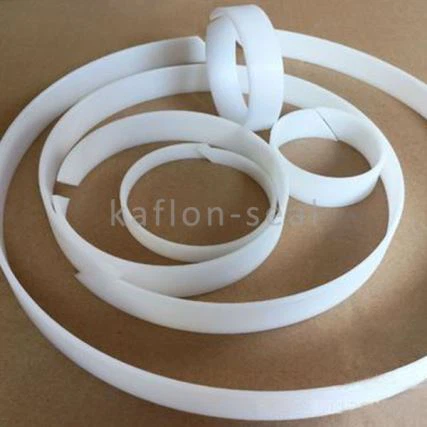
The type of material used to make the wiper seal is another critical factor. Different materials have different properties, such as resistance to heat, chemicals, and abrasion. For instance, PTFE Filled Polymer Step Seal Ring is known for its excellent chemical resistance and low friction, which can contribute to a longer lifespan. On the other hand, a lower - quality material may not hold up as well under the same conditions.
Installation and Maintenance
Proper installation is key to ensuring the longevity of hydraulic wiper seals. If the seals are not installed correctly, they may not function properly, leading to premature failure. This includes making sure the seals are the right size for the application and that they are installed without any damage. Regular maintenance is also essential. This can involve checking the seals for signs of wear, cleaning the surrounding area, and replacing the seals when necessary.


System Pressure and Movement
The pressure within the hydraulic system and the movement of the components can also impact the lifespan of the wiper seals. High pressures can put more stress on the seals, causing them to wear out faster. Similarly, rapid or excessive movement can increase the friction between the seal and the rod, leading to more wear.
Estimating the Lifespan of Hydraulic Wiper Seals
It's tough to give an exact lifespan for hydraulic wiper seals because it depends on so many factors. However, in a well - maintained system operating under normal conditions, wiper seals can last anywhere from a few months to several years.
In a light - duty application with clean operating conditions, the seals might last 2 - 3 years. But in a heavy - duty application, like in a construction or mining equipment where the environment is harsh and the system is under high stress, the seals may need to be replaced every few months.
How to Extend the Lifespan of Hydraulic Wiper Seals
Here are some tips to help you get the most out of your hydraulic wiper seals:
Choose the Right Seal Material
As mentioned earlier, the material of the seal is crucial. Consider the operating conditions of your hydraulic system and choose a material that is best suited for those conditions. For example, if your system is exposed to chemicals, a PTFE Filled With Carbon Glyd Ring might be a good choice due to its chemical resistance.
Ensure Proper Installation
Make sure the seals are installed correctly. Follow the manufacturer's instructions carefully, and use the right tools for the job. If you're not sure how to install the seals, it's a good idea to consult a professional.
Maintain a Clean Environment
Keep the area around the hydraulic system clean. This can reduce the amount of contaminants that the seals have to keep out. Regularly clean the rods and the surrounding components to prevent dirt and debris from building up.
Monitor and Maintain the System
Regularly check the seals for signs of wear, such as cracks, tears, or leakage. Also, monitor the system pressure and temperature to make sure they are within the recommended range. If you notice any issues, address them promptly to prevent further damage.
Why Choose Our Hydraulic Wiper Seals
As a supplier, we take pride in offering high - quality hydraulic wiper seals. Our seals are made from top - notch materials, ensuring excellent performance and durability. We have a wide range of products, including Piston T Seal, to meet the diverse needs of our customers.
We also provide excellent customer service. Our team of experts is always ready to help you choose the right seals for your application and offer advice on installation and maintenance. Whether you're a small business or a large industrial company, we can provide the solutions you need.
Let's Connect
If you're in the market for hydraulic wiper seals or have any questions about their lifespan and performance, don't hesitate to reach out. We're here to help you find the best seals for your hydraulic system and ensure that they last as long as possible. Contact us today to start a conversation about your requirements, and let's work together to keep your hydraulic systems running smoothly.
References
- "Hydraulic Seals Handbook" - A comprehensive guide on hydraulic seals, their materials, and applications.
- Industry research reports on the performance and durability of different types of hydraulic seals.