


 Popular Blog Posts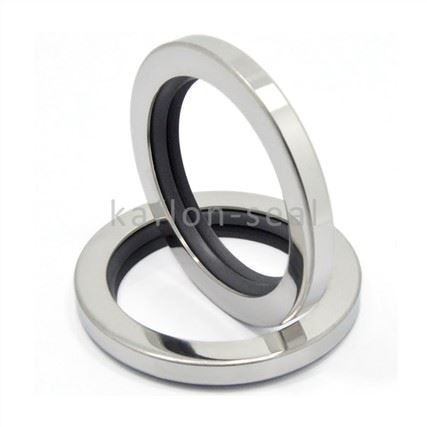


 Blog
BlogHey there! As a supplier of hydraulic seals, I often get asked about the lifespan of these crucial components. Well, let's dive right in and talk about what determines how long a hydraulic seal will last.
First off, it's important to understand that there's no one - size - fits - all answer to the lifespan question. A whole bunch of factors come into play, and they can vary a lot from one application to another.
One of the main factors is the material of the seal. We've got different types, like rubber, polyurethane, and PTFE. Each has its own strengths and weaknesses when it comes to durability.
Rubber seals are pretty common. They're flexible and can adapt well to different shapes and sizes. But they're not always the best in harsh chemical environments. Over time, exposure to certain chemicals can break down the rubber, reducing its lifespan. For example, if you're using rubber seals in an application where they're constantly in contact with oil that has high - sulfur content, the rubber might start to degrade faster than normal.
Polyurethane seals, on the other hand, are known for their high wear resistance. They can handle a lot of friction and pressure, which makes them great for high - stress applications. The Anti - ozone PU Seal we offer is a prime example. It's designed to resist ozone, which can cause cracking in some materials. This resistance helps extend its lifespan, especially in outdoor or industrial settings where ozone levels might be higher.
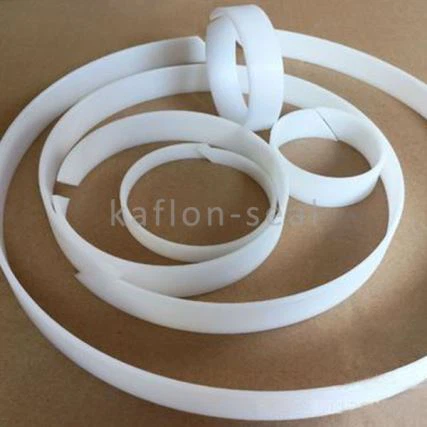
PTFE seals are another option. They have excellent chemical resistance and low friction. The Double Acting PTFE With Rubber Seal combines the benefits of PTFE and rubber. The PTFE provides the chemical resistance and low friction, while the rubber gives it flexibility. This combination can lead to a longer lifespan in applications where both chemical exposure and movement are factors.
The operating conditions also have a huge impact on the lifespan of a hydraulic seal. Temperature is a biggie. Extreme heat or cold can affect the physical properties of the seal material. In high - temperature environments, the material might expand, which could lead to leaks or reduced sealing performance. And in cold temperatures, it might become brittle and crack. For instance, if a hydraulic system is used in a desert where temperatures can soar during the day and drop at night, the seals need to be able to handle these fluctuations.
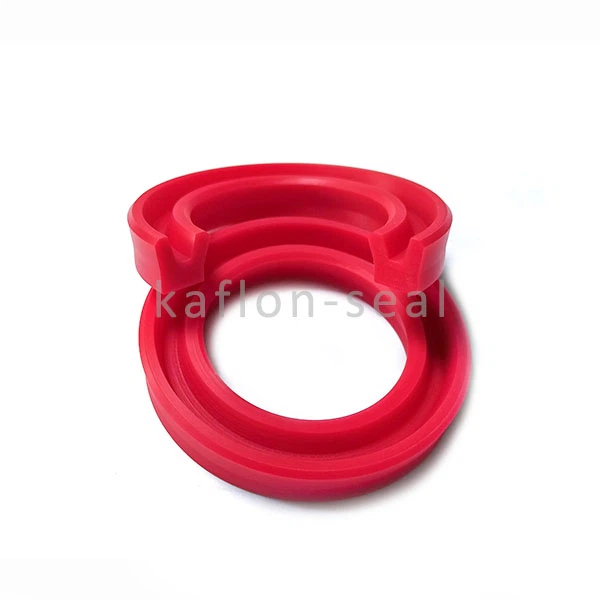
Pressure is another critical factor. High - pressure applications put a lot of stress on the seals. If the pressure is too high for the seal to handle, it can cause deformation or failure. That's why we offer a variety of seals, like the Single Acting Step Seal Ring, which is designed to handle specific pressure ranges. Using the right seal for the pressure requirements of your application is essential for maximizing its lifespan.
The amount of movement or vibration in the system also matters. Constant movement can cause wear and tear on the seal. If there's a lot of vibration, it can loosen the seal or cause it to shift out of place. This is more likely to happen in machinery that has a lot of moving parts or in vehicles that are constantly on the move.
Contamination is yet another issue. Dirt, dust, and other particles can get into the hydraulic system and damage the seals. These contaminants can act like abrasives, wearing down the seal material over time. Regular maintenance and proper filtration can help reduce the impact of contamination and extend the lifespan of the seals.
Now, let's talk about some general estimates of lifespan. In a well - maintained, low - stress application, a hydraulic seal might last anywhere from 2 to 5 years. But in a high - stress, harsh - environment application, it could be as short as a few months. For example, in a heavy - duty construction machine that's used every day in a dirty and high - pressure environment, the seals might need to be replaced more frequently.

To get the most out of your hydraulic seals, here are some tips. First, choose the right seal for your application. Consider the material, the operating conditions, and the pressure requirements. Second, make sure to install the seals correctly. A poorly installed seal can fail much sooner than it should. And third, keep up with regular maintenance. This includes checking for leaks, replacing filters, and monitoring the condition of the seals.
If you're in the market for hydraulic seals, we're here to help. We've got a wide range of high - quality seals to meet your needs. Whether you need a seal for a simple hydraulic system or a complex industrial application, we can provide you with the right product. Don't hesitate to reach out to us for more information or to start a procurement discussion. We're always happy to work with you to find the best solutions for your hydraulic sealing needs.
In conclusion, the lifespan of a hydraulic seal depends on many factors, including the material, the operating conditions, and the level of maintenance. By understanding these factors and taking the right steps, you can maximize the lifespan of your seals and keep your hydraulic systems running smoothly.
References
- "Hydraulic Seals: Selection, Installation, and Maintenance" - Industry Handbook
- "Materials for Hydraulic Seals and Their Performance in Different Environments" - Research Paper