


 Popular Blog Posts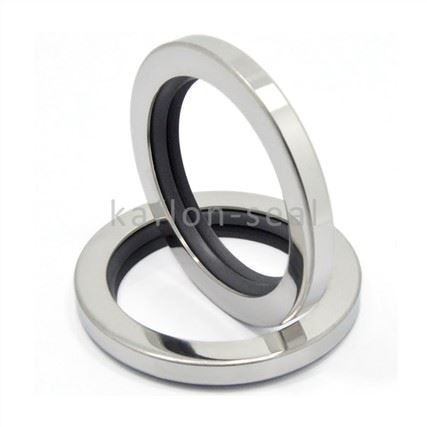


 Blog
BlogThe installation torque for PTFE lip seals is a crucial factor that can significantly impact the performance and longevity of these seals. As a PTFE lip seal supplier, I've encountered numerous inquiries regarding this topic. In this blog post, I'll delve into the concept of installation torque for PTFE lip seals, exploring its importance, influencing factors, and how to determine the appropriate values.
Understanding the Significance of Installation Torque
Installation torque refers to the amount of rotational force applied when installing a PTFE lip seal. This torque is essential because it directly affects the sealing performance of the lip seal. If the installation torque is too low, the seal may not be properly seated, leading to gaps between the seal and the shaft or housing. These gaps can allow fluids or contaminants to leak past the seal, compromising its effectiveness. On the other hand, if the installation torque is too high, it can cause excessive deformation of the PTFE lip, leading to premature wear, reduced flexibility, and potential damage to the seal or the mating components.
A proper installation torque ensures that the PTFE lip seal maintains an optimal contact pressure against the shaft. This contact pressure is crucial for preventing leakage and providing a reliable seal. It also helps to distribute the load evenly across the seal, reducing the risk of localized wear and extending the service life of the seal.
Factors Influencing Installation Torque
Several factors can influence the appropriate installation torque for PTFE lip seals. Understanding these factors is essential for determining the correct torque values and ensuring a successful installation.
Seal Design and Dimensions
The design and dimensions of the PTFE lip seal play a significant role in determining the installation torque. Seals with larger diameters or more complex designs may require higher installation torques to ensure proper seating. Additionally, the cross-sectional shape of the seal can affect the torque requirements. For example, seals with a larger cross-section may need more force to compress and create a tight seal.
Shaft and Housing Materials
The materials of the shaft and housing can also impact the installation torque. Different materials have different surface finishes and hardness levels, which can affect the friction between the seal and the mating components. For instance, a rough or uneven shaft surface may require a higher installation torque to ensure a proper seal. Similarly, a softer housing material may deform more easily under torque, requiring careful consideration to avoid over-tightening.
Operating Conditions
The operating conditions of the application are another important factor. Seals used in high-pressure or high-temperature environments may require higher installation torques to maintain their sealing performance. Additionally, the presence of vibration or dynamic loads can affect the stability of the seal, necessitating a higher torque to prevent movement or displacement.
Lubrication
Lubrication can significantly affect the installation torque. A well-lubricated seal will experience less friction during installation, requiring less torque to achieve the desired contact pressure. However, it's important to choose the right lubricant that is compatible with the PTFE material and the operating conditions of the application.
Determining the Appropriate Installation Torque
Determining the appropriate installation torque for PTFE lip seals requires a combination of theoretical knowledge and practical experience. Here are some steps that can help in this process:
Consult the Manufacturer's Guidelines
As a PTFE lip seal supplier, I always recommend consulting the manufacturer's guidelines. These guidelines provide valuable information about the recommended installation torque for specific seal models and applications. They are based on extensive testing and research, ensuring that the torque values are optimized for the best performance and reliability of the seals.
Conduct Testing
In some cases, it may be necessary to conduct testing to determine the appropriate installation torque. This can involve installing seals with different torque values and measuring the sealing performance, such as leakage rates or contact pressure. By analyzing the test results, you can identify the optimal torque range for your specific application.
Consider the Application Requirements
It's important to consider the specific requirements of the application when determining the installation torque. For example, if the application requires a high level of precision or has strict leakage limits, you may need to be more conservative with the torque values. On the other hand, if the application can tolerate a certain amount of leakage or has less demanding operating conditions, you may have more flexibility in choosing the torque.
Examples of PTFE Lip Seals and Their Installation Considerations
Let's take a look at some specific types of PTFE lip seals and their installation considerations.
Vacuum Operation PTFE Stainless Oil Seal
These seals are designed for use in vacuum applications, where maintaining a tight seal is crucial to prevent air leakage. The installation torque for vacuum operation PTFE stainless oil seals should be carefully controlled to ensure that the seal can withstand the pressure differential without leaking. Due to the high precision requirements of vacuum applications, it's essential to follow the manufacturer's guidelines closely and use proper installation tools.
Dynamic Sealing Rotary Shaft Seal Ring
Dynamic sealing rotary shaft seal rings are used in applications where the shaft is rotating. The installation torque for these seals needs to be sufficient to maintain a stable contact with the rotating shaft while allowing for smooth operation. Excessive torque can cause increased friction and wear, leading to premature failure of the seal. It's important to consider the rotational speed and the type of lubrication used when determining the installation torque for dynamic sealing rotary shaft seal rings.
PTFE Filled POB Shaft Seal
PTFE filled POB shaft seals offer enhanced performance and durability. The installation torque for these seals should be adjusted based on the specific properties of the PTFE filling and the POB material. These seals may require a slightly higher torque compared to standard PTFE lip seals to ensure proper compression and sealing.
Installation Tips for PTFE Lip Seals
To ensure a successful installation of PTFE lip seals, here are some general tips:
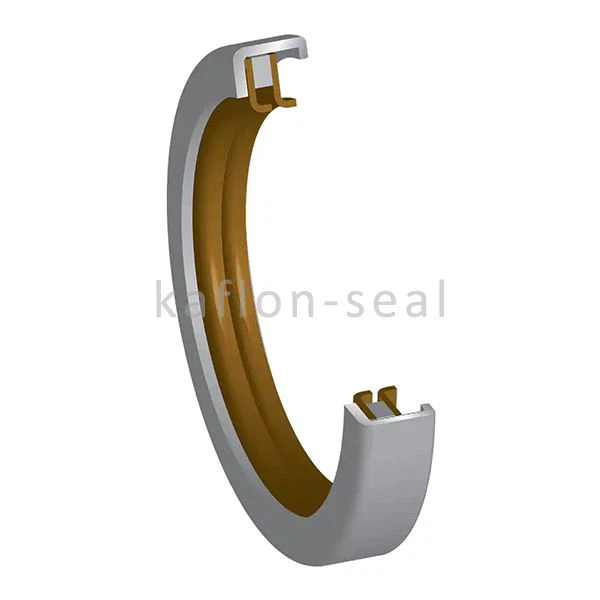

- Clean the Components: Before installation, make sure to clean the shaft and housing thoroughly to remove any dirt, debris, or contaminants. This will help to prevent damage to the seal and ensure a proper seal.
- Use Proper Tools: Use the appropriate installation tools, such as a seal installer or a torque wrench, to ensure accurate and consistent installation torque. Avoid using sharp or abrasive tools that can damage the seal.
- Apply Lubrication: Apply a thin layer of compatible lubricant to the seal and the mating components to reduce friction during installation. This will also help to prevent damage to the seal and improve its sealing performance.
- Align the Seal: Make sure to align the seal properly with the shaft and housing before installation. Misalignment can cause uneven contact pressure and lead to leakage.
- Monitor the Torque: During installation, monitor the torque using a torque wrench to ensure that it stays within the recommended range. If the torque exceeds the recommended value, stop the installation and check for any issues.
Conclusion
The installation torque for PTFE lip seals is a critical factor that can significantly impact the performance and reliability of these seals. By understanding the importance of installation torque, considering the influencing factors, and following the appropriate installation procedures, you can ensure a successful installation and achieve optimal sealing performance.
As a PTFE lip seal supplier, I'm committed to providing high-quality seals and technical support to our customers. If you have any questions or need assistance with determining the installation torque for your specific application, please don't hesitate to contact us. We're here to help you find the best sealing solutions for your needs.
References
- "Sealing Technology Handbook" by John D. Adamson
- "Rotary Shaft Seals: Design, Selection, and Application" by Robert J. Scharrer