


 Popular Blog Posts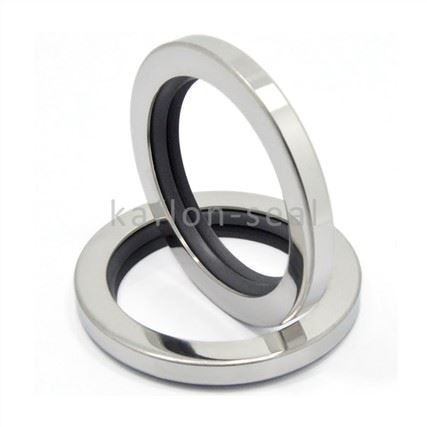


 Blog
BlogHey there! As a supplier of radial oil seals, I often get asked about the installation depth of these crucial components. In this blog post, I'll break down what the installation depth of a radial oil seal is, why it matters, and how to get it right.
First off, let's talk about what a radial oil seal is. A radial oil seal, also known as a rotary shaft seal, is a device used to prevent the leakage of fluids, typically oil, along a rotating shaft. It consists of a metal case, a sealing lip made of elastomer or other materials like PTFE, and sometimes a garter spring to provide additional sealing force. These seals are widely used in various industries, including automotive, aerospace, and industrial machinery.


So, what exactly is the installation depth of a radial oil seal? The installation depth refers to how far the seal is inserted into its housing. This depth is measured from the face of the housing to the point where the seal is fully seated. Getting the right installation depth is super important because it directly affects the seal's performance and longevity.
If the installation depth is too shallow, the seal may not be properly seated in the housing. This can lead to leakage because the sealing lip won't be in the correct position to form a tight seal against the shaft. On the other hand, if the installation depth is too deep, the seal can get damaged. The metal case might get distorted, or the sealing lip could be compressed too much, causing it to wear out quickly or lose its sealing ability.
Now, how do you determine the correct installation depth? Well, it depends on several factors. The first thing to consider is the design of the seal itself. Different types of radial oil seals have different recommended installation depths. For example, seals with a PTFE lip, like our Radial Shaft Seals With PTFE Lips, may have specific depth requirements due to the unique properties of PTFE. PTFE is a very slippery and chemically resistant material, so the seal needs to be installed at the right depth to ensure proper contact with the shaft.
The size of the seal also plays a role. Larger seals generally require a greater installation depth compared to smaller ones. This is because larger seals have more surface area to cover and need to be seated deeper in the housing to form an effective seal.
Another important factor is the type of housing. The housing needs to be designed to accommodate the seal at the correct depth. If the housing is too shallow or too deep, it can cause problems with the seal installation. For instance, if the housing has a rough or uneven surface, it can affect how well the seal seats, even if the depth is correct.
When it comes to actually installing the radial oil seal, there are a few best practices to follow. First, make sure the housing and the shaft are clean. Any dirt, debris, or old seal material can prevent the seal from seating properly. You can use a suitable cleaning agent to clean the surfaces, and then dry them thoroughly before installation.
Next, use the right tools for the job. A seal installer tool is highly recommended because it helps ensure that the seal is installed at the correct depth evenly. If you don't have a seal installer, you can use a flat piece of metal or a block of wood, but be very careful not to damage the seal during installation.
During installation, apply a small amount of lubricant to the sealing lip. This helps the seal slide onto the shaft more easily and reduces the risk of damage to the lip. Make sure the lubricant is compatible with the seal material. For example, if you're using a PTFE seal, you need to use a lubricant that won't react with PTFE.
As you're installing the seal, keep an eye on the installation depth. You can use a depth gauge or a ruler to measure the depth as you go. Once the seal is fully seated at the correct depth, give it a gentle tap around the edge to make sure it's evenly seated.
Let's talk a bit about some of the seals we offer. Our PTFE Stainless Rotary Shaft Seal is a great option for applications where high temperatures, chemical resistance, and low friction are required. The PTFE lip provides excellent sealing performance, and the stainless - steel case adds durability. When installing this seal, it's crucial to follow the recommended installation depth to take full advantage of its features.
Another popular product is our Screw Comprosser PTFE Oil Seal. Screw compressors operate under high pressures and require seals that can withstand these conditions. Our PTFE oil seal for screw compressors is designed to provide a reliable seal at the correct installation depth, ensuring efficient operation of the compressor.
In conclusion, the installation depth of a radial oil seal is a critical factor in its performance. By understanding the factors that affect the installation depth, following the best practices for installation, and using the right seals for your application, you can ensure a long - lasting and effective seal.
If you're in the market for radial oil seals or have any questions about installation depth or our products, don't hesitate to reach out. We're here to help you find the perfect seal solution for your needs. Whether you're working on a small automotive project or a large industrial application, we've got the expertise and the products to support you. Let's start a conversation and see how we can work together to solve your sealing challenges.
References
- "Handbook of Sealing Technology" by John H. Bickford
- "Sealing Devices and Their Design" by David A. Burton