


 Popular Blog Posts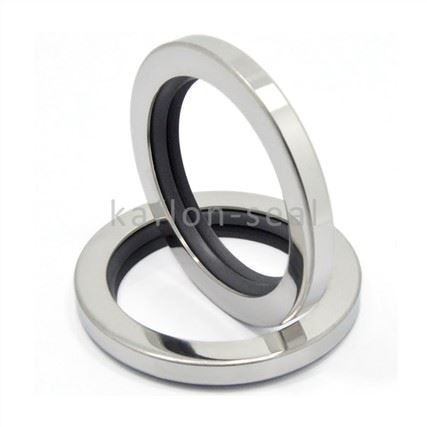


 Blog
BlogHey there! I'm a supplier of Rotary Shaft Seals, and today I want to chat about something super important in our industry: the impact of seal size on its performance.
Let's start by understanding what rotary shaft seals are all about. These little guys are crucial in various machines and equipment. They prevent the leakage of fluids, like oil or grease, and keep out contaminants such as dust and dirt. Without them, our machinery would be in big trouble, facing issues like reduced efficiency, increased wear and tear, and even complete breakdowns.
Now, when it comes to the size of a rotary shaft seal, it's not just about making it fit the shaft. There are multiple factors at play that can significantly affect its performance.
Inner Diameter
The inner diameter of a seal is designed to fit snugly around the shaft. If it's too large, there'll be a gap between the seal and the shaft. This gap allows fluids to leak out, which is a big no - no. For example, in a hydraulic system, a small leak due to an oversized seal can lead to a drop in pressure, reducing the system's overall efficiency. On the other hand, if the inner diameter is too small, it will create excessive friction. This friction generates heat, which can cause the seal material to degrade over time. Imagine a car engine with a seal that's too tight on the crankshaft. The extra heat can damage the seal, leading to oil leaks and potentially harming the engine.
Outer Diameter
The outer diameter of the seal matters just as much. It needs to fit properly into the housing where it's installed. An outer diameter that's too small won't create a proper seal against the housing. This can result in fluid leakage around the outside of the seal. In industrial pumps, for instance, a loose - fitting outer diameter can cause the pumped fluid to leak back into the system, reducing the pump's effectiveness. Conversely, an outer diameter that's too large can be difficult to install. You might end up forcing the seal into the housing, which can damage the seal or the housing itself. This can lead to premature failure of the seal and costly repairs.


Width
The width of a seal also plays a key role. A wider seal generally provides more surface area for sealing. This can be beneficial in applications where there's a high pressure or a large amount of fluid to contain. For example, in heavy - duty mining equipment, wider seals can better withstand the high pressures and harsh conditions. However, a wider seal can also be more expensive and may require more space in the design. If you're working on a compact machine, a wide seal might not be an option.
Impact on Different Types of Rotary Shaft Seals
Let's take a look at how seal size affects different types of rotary shaft seals.
Dynamic Sealing Rotary Shaft Seal Ring
The Dynamic Sealing Rotary Shaft Seal Ring is designed for applications where there's relative motion between the shaft and the housing. Size is critical here. If the inner diameter isn't right, the seal might not be able to maintain a proper seal during rotation. This can lead to increased wear and leakage. For high - speed applications, like in a turbine, getting the size just right is essential to ensure smooth operation and prevent premature failure.
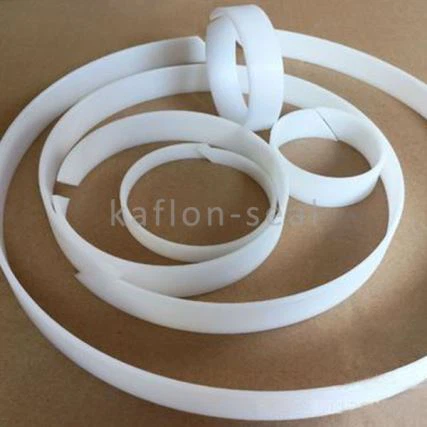
Radial PTFE Shaft Seal
The Radial PTFE Shaft Seal is known for its excellent chemical resistance and low friction. But if the size isn't correct, these benefits can be lost. An improper size can cause the PTFE material to deform, reducing its sealing performance. In chemical processing plants, where these seals are commonly used, a size mismatch can lead to the leakage of corrosive chemicals, which is extremely dangerous.
PTFE Lip Seal
The PTFE Lip Seal relies on its lip design to create a seal. The size of the seal affects how well the lip can conform to the shaft and housing. If the size is off, the lip might not make proper contact, resulting in leakage. In food and beverage processing equipment, where hygiene is crucial, a leaking PTFE lip seal can contaminate the product, leading to serious quality and safety issues.
Choosing the Right Seal Size
So, how do you choose the right seal size? Well, it starts with understanding the application. You need to know the operating conditions, such as pressure, temperature, and the type of fluid being sealed. You also need to consider the speed of the shaft and the environment in which the seal will operate.
It's always a good idea to consult with a seal expert. At our company, we have a team of experienced professionals who can help you select the right seal size for your specific needs. We have a wide range of rotary shaft seals in different sizes and materials to ensure that you get the best performance.
The Importance of Quality Seals
Even if you get the size right, using a low - quality seal can still lead to problems. A high - quality seal is made from durable materials that can withstand the operating conditions. It's also manufactured to precise specifications, ensuring a proper fit. At our company, we take pride in providing top - notch rotary shaft seals. We use the latest manufacturing techniques and quality control measures to ensure that every seal we supply meets the highest standards.
Contact Us for Your Seal Needs
If you're in the market for rotary shaft seals, whether it's for a small machine or a large industrial application, we're here to help. We can provide you with the right seal size and type to ensure optimal performance. Don't hesitate to reach out to us for more information or to discuss your specific requirements. We're eager to work with you and help you find the perfect seal solution.
References
- "Sealing Technology Handbook"
- "Industrial Seals and Their Applications"
- "Rotary Shaft Seal Design and Selection Guide"