


 Popular Blog Posts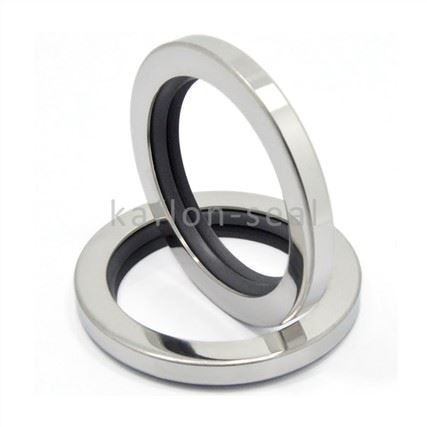


 Blog
BlogOzone, a triatomic form of oxygen (O₃), is a powerful oxidizing agent present in the Earth's atmosphere, particularly in the stratosphere and at ground - level in polluted areas. Polytetrafluoroethylene (PTFE) lip seals are widely used in various industries due to their excellent chemical resistance, low friction, and high - temperature stability. As a PTFE Lip Seal supplier, understanding the impact of ozone on PTFE lip seals is crucial for providing high - quality products and appropriate advice to customers.
Chemical and Physical Properties of PTFE and Ozone
PTFE is a synthetic fluoropolymer of tetrafluoroethylene. It has a highly stable carbon - fluorine (C - F) bond, which gives it outstanding chemical inertness, a low coefficient of friction, and excellent thermal stability. These properties make PTFE an ideal material for lip seals in applications where resistance to harsh chemicals, high temperatures, and low - friction operation are required.
Ozone, on the other hand, is a highly reactive gas. It has a strong tendency to donate an oxygen atom to other substances, which makes it a powerful oxidizing agent. Ozone can react with many organic and inorganic materials, causing degradation, discoloration, and changes in physical properties.
Impact of Ozone on PTFE Lip Seals
Surface Oxidation
Although PTFE is known for its chemical resistance, ozone can still cause some degree of surface oxidation. The highly reactive ozone molecules can break the relatively weak bonds on the surface of the PTFE lip seal. This oxidation process may lead to the formation of carbonyl groups and other oxygen - containing functional groups on the surface. As a result, the surface energy of the PTFE lip seal may increase, which can affect its sealing performance. For example, an increase in surface energy can lead to a stronger adhesion between the seal and the mating surface, potentially increasing the friction and wear during operation.
Material Degradation
Over time, continuous exposure to ozone can cause more severe material degradation. The oxidation of PTFE can lead to chain scission, where the long polymer chains in PTFE are broken into shorter segments. This can result in a decrease in the mechanical properties of the PTFE lip seal, such as a reduction in tensile strength and elongation at break. A weakened seal may be more prone to cracking, tearing, or deformation under pressure, which can compromise its sealing effectiveness.
Sealing Performance
The changes in surface properties and material degradation caused by ozone can have a direct impact on the sealing performance of PTFE lip seals. A seal with a degraded surface may not be able to maintain a tight seal against the mating surface, leading to leakage. In applications where the seal is used to prevent the ingress of fluids or gases, such as in Dynamic Sealing Rotary Shaft Seal Ring, even a small amount of leakage can cause significant problems, such as reduced efficiency, contamination, or safety hazards.
Compatibility with Other Components
PTFE lip seals are often used in conjunction with other components in a sealing system. The ozone - induced changes in the PTFE seal can also affect its compatibility with these other components. For example, if the surface of the PTFE seal becomes more hydrophilic due to oxidation, it may interact differently with lubricants or other sealing materials, potentially leading to chemical reactions or changes in the lubrication properties.
Factors Affecting the Impact of Ozone on PTFE Lip Seals
Ozone Concentration
The concentration of ozone in the environment is a critical factor. Higher ozone concentrations will generally cause more rapid and severe degradation of PTFE lip seals. In industrial areas with high levels of air pollution or in applications where ozone is generated as a by - product, such as in some chemical processes or electrical equipment, the risk of ozone - induced damage to PTFE lip seals is significantly higher.


Exposure Time
The longer the PTFE lip seal is exposed to ozone, the more severe the impact will be. Even at relatively low ozone concentrations, long - term exposure can lead to significant material degradation. For example, in outdoor applications where the seal is exposed to ambient air containing trace amounts of ozone over a period of years, the cumulative effect of ozone exposure can gradually reduce the performance and lifespan of the seal.
Temperature
Temperature can also affect the interaction between ozone and PTFE lip seals. Higher temperatures generally accelerate chemical reactions, including the oxidation of PTFE by ozone. In high - temperature environments, the rate of ozone - induced degradation of PTFE lip seals may be much faster than at lower temperatures.
Mechanical Stress
Mechanical stress on the PTFE lip seal can also influence the impact of ozone. Seals that are under constant pressure or subject to cyclic loading may be more susceptible to ozone - induced cracking and failure. The mechanical stress can create micro - cracks on the surface of the seal, which provide pathways for ozone to penetrate deeper into the material and cause more extensive damage.
Mitigation Strategies
Material Selection and Modification
One way to mitigate the impact of ozone on PTFE lip seals is through material selection and modification. Some PTFE formulations may have better ozone resistance than others. For example, PTFE materials with additives or fillers that can scavenge ozone or inhibit the oxidation process can be used. Additionally, surface treatments can be applied to the PTFE lip seal to enhance its ozone resistance. These treatments can form a protective layer on the surface of the seal, preventing ozone from directly contacting the PTFE material.
Environmental Control
Controlling the environment in which the PTFE lip seal operates is another effective strategy. In industrial settings, air purification systems can be used to reduce the ozone concentration in the working environment. For outdoor applications, protective enclosures can be installed to shield the seals from direct exposure to ozone - rich air.
Regular Inspection and Maintenance
Regular inspection and maintenance of PTFE lip seals are essential to detect early signs of ozone - induced damage. Visual inspection can be used to check for signs of surface discoloration, cracking, or deformation. Non - destructive testing methods, such as ultrasonic testing or infrared spectroscopy, can also be used to detect internal damage in the seal. If any signs of damage are detected, the seal should be replaced promptly to prevent further problems.
Applications and Considerations
PTFE lip seals are used in a wide range of applications, each with its own specific requirements and ozone - related challenges.
Automotive Industry
In the automotive industry, PTFE lip seals are used in various components, such as engine seals, transmission seals, and axle seals. These seals may be exposed to ozone in the ambient air, especially in urban areas with high levels of air pollution. The ozone - induced degradation of PTFE lip seals in automotive applications can lead to fluid leakage, reduced performance, and increased maintenance costs. Therefore, it is crucial to select PTFE lip seals with good ozone resistance for automotive applications.
Chemical Processing Industry
In the chemical processing industry, PTFE lip seals are used to seal pumps, valves, and reactors. These seals may be exposed to high concentrations of ozone generated as a by - product of chemical reactions or in the purification processes. The harsh chemical environment and high ozone concentrations in chemical processing plants require PTFE lip seals with excellent chemical and ozone resistance.
Medical Industry
In the medical industry, Medical Equipment Rotary PTFE POB Oil Seal are used in various medical devices, such as surgical instruments, diagnostic equipment, and implantable devices. Although the ozone concentration in medical environments is generally lower than in industrial settings, the high - quality and reliability requirements of medical equipment make it necessary to ensure that PTFE lip seals are resistant to ozone - induced degradation.
Conclusion
As a PTFE Lip Seal supplier, we understand the importance of ozone resistance in ensuring the performance and reliability of our products. The impact of ozone on PTFE lip seals can be significant, affecting the surface properties, material integrity, and sealing performance of the seals. By understanding the factors that affect ozone - induced degradation and implementing appropriate mitigation strategies, we can provide our customers with high - quality PTFE lip seals that can withstand the challenges of ozone - rich environments.
If you are in need of high - performance PTFE lip seals for your specific application, we invite you to contact us for a detailed discussion. Our team of experts can help you select the most suitable PTFE lip seals based on your requirements and provide you with professional advice on installation, maintenance, and operation. Visit our PTFE Lip Seal product page to learn more about our offerings.
References
- "Handbook of Seal Technology" by John H. Bickford
- "Polymer Science and Engineering" by Charles E. Carraher Jr.
- "Ozone Chemistry and Technology" by Ronald C. Dorfman and Albert L. Hoffmann