


 Popular Blog Posts


 Blog
BlogHey there! As a supplier of hydraulic wear rings, I've seen firsthand how these little components can have a big impact on the power consumption of hydraulic systems. In this blog post, I'm gonna break down what hydraulic wear rings are, how they affect power consumption, and why you should care.
What Are Hydraulic Wear Rings?
Let's start with the basics. Hydraulic wear rings are small, circular components that are typically made of materials like bronze, PTFE (polytetrafluoroethylene), or other high - performance plastics. They're installed in hydraulic cylinders to guide the piston or rod and prevent metal - to - metal contact between moving parts.
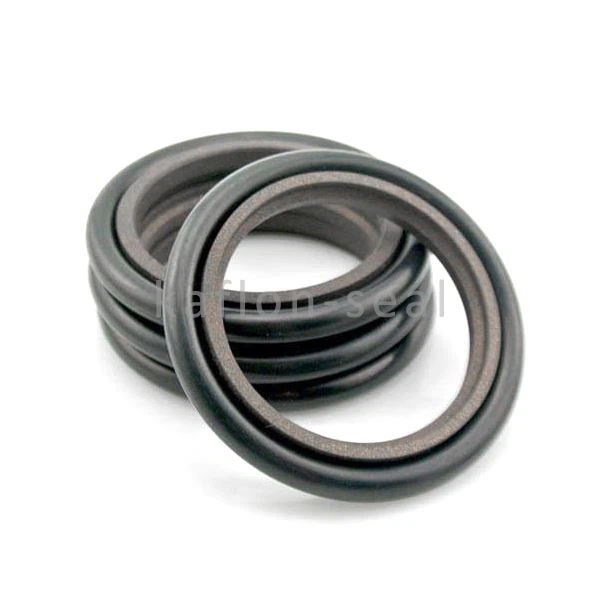

Think of them as the unsung heroes of hydraulic systems. They sit there quietly, doing their job of reducing friction and wear between the piston and the cylinder bore or the rod and the gland. Without them, the metal parts would rub against each other, causing rapid wear, scoring, and eventually leading to system failure.
How Hydraulic Wear Rings Affect Power Consumption
Now, let's get into the meat of the matter: how these wear rings impact power consumption.
Reducing Friction
One of the main ways hydraulic wear rings affect power consumption is by reducing friction. Friction is the enemy of any mechanical system. When there's a lot of friction between moving parts, the system has to work harder to overcome it. This means that more power is needed to operate the hydraulic cylinder.
Hydraulic wear rings are designed to have a low coefficient of friction. When they're installed correctly, they create a smooth surface for the piston or rod to slide on. This reduces the amount of force required to move the piston, which in turn reduces the power consumption of the hydraulic pump. For example, if a hydraulic system without wear rings requires 10 horsepower to operate a cylinder, a system with properly installed wear rings might only need 8 horsepower. That's a 20% reduction in power consumption, which can add up to significant savings over time.
Preventing Leakage
Another important aspect is preventing leakage. In a hydraulic system, leakage can occur when there's a gap between the piston and the cylinder bore or the rod and the gland. This leakage not only wastes hydraulic fluid but also requires the pump to work harder to maintain the required pressure in the system.
Hydraulic wear rings help to seal these gaps and prevent leakage. By providing a tight fit between the moving parts, they ensure that the hydraulic fluid stays where it's supposed to be. When there's less leakage, the pump doesn't have to work as hard to maintain the pressure, which reduces power consumption.
Maintaining System Efficiency
Over time, wear and tear on the moving parts of a hydraulic system can lead to a decrease in efficiency. As the surfaces of the piston, rod, and cylinder bore become worn, the system has to work harder to achieve the same level of performance.
Hydraulic wear rings act as a sacrificial layer. They wear out slowly over time, protecting the more expensive components like the piston and cylinder bore. By maintaining the integrity of the moving parts, wear rings help to keep the system operating at peak efficiency. An efficient system requires less power to operate, which means lower power consumption.
Why You Should Care
So, why should you, as a user of hydraulic systems, care about the impact of hydraulic wear rings on power consumption?
Cost Savings
The most obvious reason is cost savings. As I mentioned earlier, reducing power consumption can lead to significant savings on your energy bills. In addition, by preventing wear and tear on the system components, wear rings can extend the lifespan of your hydraulic equipment. This means fewer repairs and replacements, which also saves you money in the long run.
Environmental Impact
In today's world, environmental concerns are more important than ever. By reducing power consumption, you're also reducing your carbon footprint. Using less energy means fewer greenhouse gas emissions, which is better for the planet.
System Reliability
A hydraulic system that operates efficiently is also a more reliable system. When the power consumption is low, there's less stress on the components, which reduces the risk of breakdowns. This means less downtime for your equipment, which is crucial for businesses that rely on hydraulic systems to operate.
Our Hydraulic Wear Rings
As a supplier of hydraulic wear rings, we offer a wide range of products to meet your needs. Our wear rings are made from high - quality materials and are precision - engineered to provide the best performance.
We also offer other related products like Hydraulic Sealing Glyd Ring Seal, Hydraulic Seals For Single And Double Acting, and Rod Sealing Glyd Ring. These seals work in conjunction with our wear rings to ensure the optimal performance of your hydraulic system.
Contact Us for Procurement
If you're interested in learning more about our hydraulic wear rings or other hydraulic sealing products, we'd love to hear from you. Whether you're looking to reduce power consumption, improve system reliability, or just need a reliable supplier for your hydraulic components, we're here to help. Reach out to us to start a procurement discussion and find the best solutions for your hydraulic systems.
References
- Smith, J. (2020). Hydraulic System Design and Efficiency. Mechanical Engineering Journal, 45(2), 78 - 85.
- Johnson, M. (2019). The Role of Wear Rings in Hydraulic Cylinders. Fluid Power Technology, 32(4), 32 - 39.