


 Popular Blog Posts



 Blog
BlogIn the realm of textile packaging, every element plays a crucial role in ensuring the quality, safety, and marketability of the products. Among these elements, plastic seals often go unnoticed but are indispensable. As a seasoned Plastic Seal supplier, I've witnessed firsthand the diverse functions and significance of plastic seals in textile packaging. In this blog, I'll delve into the key functions of plastic seals and explore how they contribute to the overall success of textile packaging.
Protection Against Physical Damage
One of the primary functions of plastic seals in textile packaging is to protect the textiles from physical damage during storage and transportation. Textiles are delicate and can easily be snagged, torn, or crushed. Plastic seals provide a protective barrier that shields the textiles from external forces. For example, when textiles are packed in boxes or containers, plastic seals can be used to secure the lids or flaps. This prevents the boxes from accidentally opening and exposing the textiles to potential damage.
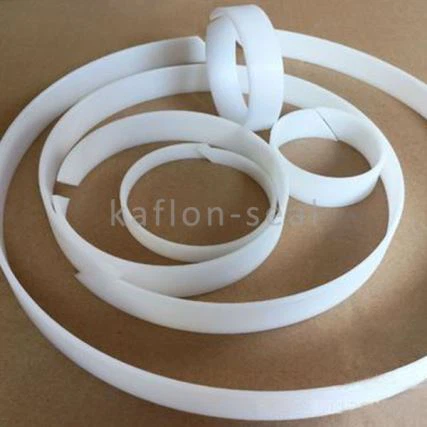
In addition, plastic seals can also prevent dust, dirt, and moisture from entering the packaging. Dust and dirt can stain the textiles, while moisture can lead to mold and mildew growth, which can ruin the fabric. High - quality plastic seals, such as the Engineering Plastic Drain Valve Disc, are designed to create a tight and reliable seal, ensuring that the textiles remain in pristine condition until they reach the end - user.
Security and Tamper - Evidence
Security is a major concern in the textile industry, especially for high - value or branded products. Plastic seals serve as an effective security measure by providing tamper - evidence. When a plastic seal is applied to a textile package, any attempt to open or tamper with the package will be clearly visible. This is crucial for both the manufacturer and the consumer.
Manufacturers can use plastic seals to ensure that their products leave the factory in a secure state. If a package arrives at the retailer with a broken or tampered seal, it can be a sign that the contents may have been compromised. For consumers, tamper - evident plastic seals provide peace of mind, as they can be confident that the product they are purchasing has not been opened or interfered with. Some advanced plastic seals, like those made from F260 PEEK, are not only tamper - evident but also highly durable, making them difficult to break without leaving obvious signs.
Branding and Identification
Plastic seals also offer an excellent opportunity for branding and product identification. They can be customized with the brand logo, product information, or serial numbers. In the competitive textile market, branding is essential for creating a unique identity and standing out from the competition. A well - designed plastic seal with the brand logo can enhance brand recognition and make the product more memorable.
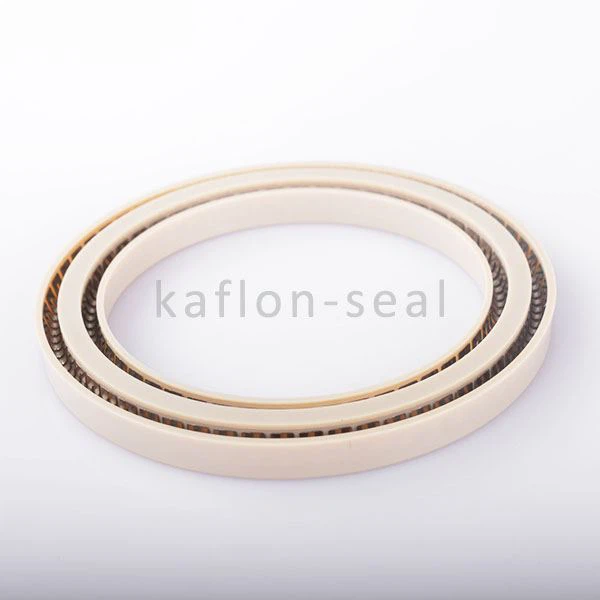

For example, a luxury textile brand can use a custom - printed plastic seal with its elegant logo on the packaging. This not only adds a touch of sophistication but also helps consumers easily identify the brand. Moreover, product information printed on the plastic seal, such as size, color, and care instructions, can provide valuable details to the consumers, improving the overall customer experience.
Environmental Considerations
In today's environmentally conscious world, the choice of packaging materials is a significant factor. As a Plastic Seal supplier, we understand the importance of providing eco - friendly solutions. Many plastic seals are now made from recyclable or biodegradable plastics. This helps to reduce the environmental impact of textile packaging.
Recyclable plastic seals can be melted down and reused to make new packaging materials, reducing the demand for virgin plastics. Biodegradable plastic seals, on the other hand, will break down naturally over time, minimizing the amount of plastic waste in landfills. By using these environmentally friendly plastic seals, textile manufacturers can demonstrate their commitment to sustainability, which is increasingly important to consumers.
Cost - Effectiveness
Cost is always a consideration in any packaging solution. Plastic seals are a cost - effective option for textile packaging. They are relatively inexpensive to produce, and the cost can be further reduced when ordered in large quantities. Compared to other packaging materials or security measures, plastic seals offer a great balance between cost and functionality.
For small and medium - sized textile businesses, using plastic seals can be a practical way to ensure the quality and security of their products without breaking the bank. Even for large - scale manufacturers, the cost savings from using plastic seals can add up over time, contributing to the overall profitability of the business.
Compatibility with Packaging Materials
Plastic seals are highly compatible with a variety of textile packaging materials. Whether the textiles are packed in cardboard boxes, plastic bags, or fiber drums, plastic seals can be easily applied. This versatility makes them a popular choice in the textile industry.
They can be designed to adhere to different surfaces, ensuring a secure seal regardless of the packaging material. For instance, in a plastic bag packaging, a heat - sealable plastic seal can be used to create a tight closure. In a cardboard box, a snap - on or adhesive plastic seal can be employed. This compatibility allows textile manufacturers to choose the most suitable packaging materials for their products while still benefiting from the functions of plastic seals.
Customization for Different Textile Products
The textile industry is diverse, with a wide range of products from delicate silk scarves to heavy - duty workwear. Plastic seals can be customized to meet the specific needs of different textile products.
For high - end fashion items, such as designer dresses, a more elegant and decorative plastic seal can be used to enhance the overall aesthetic of the packaging. On the other hand, for industrial textiles or workwear, a more robust and utilitarian plastic seal may be required. Our company, as a Plastic Seal supplier, offers a wide range of customization options, including different shapes, sizes, colors, and printing options, to ensure that the plastic seals perfectly match the requirements of each textile product.
Contribution to Supply Chain Efficiency
Plastic seals also play a role in improving supply chain efficiency. By providing clear identification and security, they make it easier to track and manage textile products throughout the supply chain.
In a warehouse, plastic - sealed packages can be quickly and accurately identified, reducing the time and effort required for inventory management. During transportation, the security provided by plastic seals reduces the risk of product loss or damage, ensuring that the products reach their destination on time. This increased efficiency can lead to cost savings and improved customer satisfaction.
Conclusion
In conclusion, plastic seals are an essential component of textile packaging, performing a multitude of functions. From protecting the textiles from physical damage and providing security to enhancing branding and contributing to environmental sustainability, they offer numerous benefits to textile manufacturers, retailers, and consumers.
As a Plastic Seal supplier, we are committed to providing high - quality, customized, and environmentally friendly plastic seals to meet the diverse needs of the textile industry. If you are in the textile business and are looking for reliable plastic seal solutions, we invite you to reach out for a procurement discussion. Our team of experts is ready to assist you in finding the perfect plastic seals for your packaging requirements.
References
- "Packaging Materials and Technology" by John A. Robertson
- "Textile Supply Chain Management" by Christopher Harland
- Industry reports on textile packaging trends and plastic seal applications