


 Popular Blog Posts



 Blog
BlogAs a supplier of hydraulic wear rings, I often get asked about the friction coefficient of these essential components. The friction coefficient is a crucial parameter that significantly impacts the performance and efficiency of hydraulic systems. In this blog post, I'll delve into what the friction coefficient of hydraulic wear rings is, why it matters, and how it can affect your hydraulic applications.
Understanding the Friction Coefficient
The friction coefficient is a measure of the resistance to relative motion between two surfaces in contact. In the context of hydraulic wear rings, it represents the ratio of the frictional force between the wear ring and the mating surface (such as a piston or cylinder wall) to the normal force pressing the two surfaces together. This value is typically denoted by the Greek letter μ (mu).

There are two main types of friction coefficients: static and kinetic. The static friction coefficient (μs) is the resistance to the initiation of motion between the two surfaces. Once the surfaces start moving relative to each other, the kinetic friction coefficient (μk) comes into play. In most hydraulic applications, the kinetic friction coefficient is of greater interest as it determines the energy losses and smoothness of operation during the movement of the piston or other components.
Factors Affecting the Friction Coefficient of Hydraulic Wear Rings
Several factors can influence the friction coefficient of hydraulic wear rings. Understanding these factors is essential for selecting the right wear rings for your specific application.
Material Composition
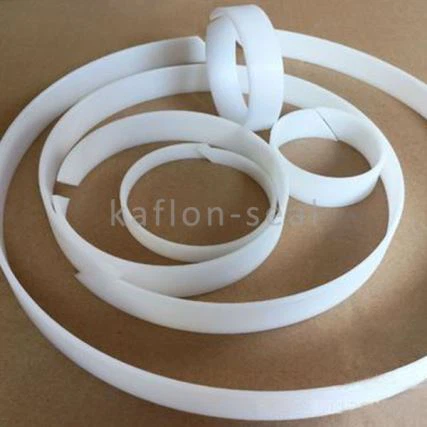
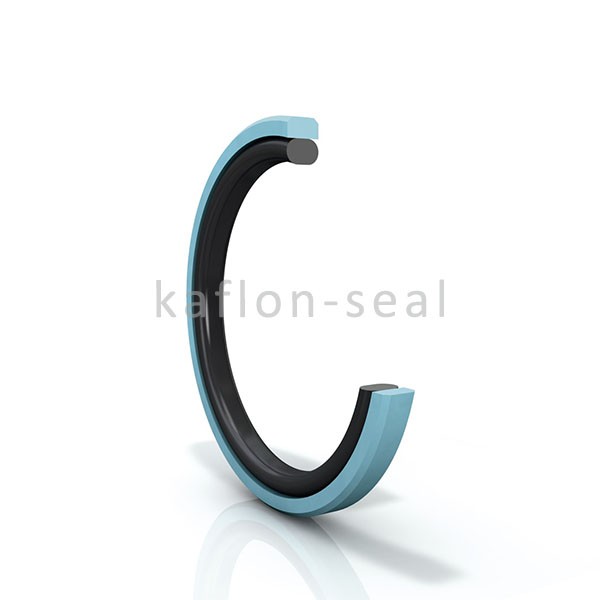
The material of the wear ring is one of the most significant factors affecting its friction coefficient. Different materials have different surface properties and interactions with the mating surface. For example, PTFE Filled Polymer Step Seal Ring is known for its low friction characteristics. PTFE (polytetrafluoroethylene) has a very smooth surface and low adhesion, which results in a relatively low friction coefficient. On the other hand, some elastomeric materials may have higher friction coefficients due to their stickier nature and greater deformation under load.
Surface Finish
The surface finish of both the wear ring and the mating surface plays a crucial role in determining the friction coefficient. A smooth surface finish reduces the contact area between the two surfaces, thereby decreasing the frictional forces. For hydraulic wear rings, a fine surface finish can be achieved through precision machining and polishing processes. Additionally, the surface texture of the mating surface, such as the roughness and waviness, can also affect the friction coefficient.
Operating Conditions
The operating conditions of the hydraulic system, including pressure, temperature, and speed, can have a significant impact on the friction coefficient of the wear rings. Higher pressures can increase the normal force between the wear ring and the mating surface, leading to higher frictional forces. Temperature can also affect the material properties of the wear ring, such as its hardness and elasticity, which in turn can influence the friction coefficient. For example, some materials may become softer at higher temperatures, resulting in increased friction. Similarly, the speed of the piston or other moving components can affect the lubrication regime and the formation of a hydrodynamic film between the surfaces, which can either reduce or increase the friction coefficient.
Lubrication
Lubrication is essential for reducing the friction coefficient of hydraulic wear rings. A proper lubricant can form a thin film between the wear ring and the mating surface, separating the two surfaces and reducing direct contact. This not only reduces friction but also helps to prevent wear and corrosion. The type of lubricant used, its viscosity, and the lubrication method (such as splash lubrication or forced lubrication) can all affect the effectiveness of lubrication and the resulting friction coefficient.
Importance of the Friction Coefficient in Hydraulic Applications
The friction coefficient of hydraulic wear rings has several important implications for the performance and efficiency of hydraulic systems.
Energy Efficiency
A low friction coefficient means less energy is wasted in overcoming frictional forces during the operation of the hydraulic system. This can lead to significant energy savings, especially in applications where the hydraulic system operates continuously or for extended periods. By reducing the energy losses due to friction, the overall efficiency of the hydraulic system can be improved, resulting in lower operating costs.
Smooth Operation
A low friction coefficient ensures smooth and precise operation of the hydraulic system. It allows the piston or other moving components to move freely without sticking or jerking, which is essential for maintaining accurate control and positioning. This is particularly important in applications where high precision and repeatability are required, such as in industrial automation and aerospace systems.
Wear and Durability
High friction can cause excessive wear on the wear rings and the mating surfaces, leading to premature failure of the hydraulic system. By reducing the friction coefficient, the wear rate can be minimized, extending the service life of the wear rings and other components. This not only reduces maintenance costs but also improves the reliability and uptime of the hydraulic system.
Selecting the Right Hydraulic Wear Rings Based on the Friction Coefficient
When selecting hydraulic wear rings for your application, it's important to consider the friction coefficient along with other factors such as material compatibility, pressure and temperature ratings, and the specific requirements of your hydraulic system.
Application-Specific Requirements
Different applications have different requirements for the friction coefficient of the wear rings. For example, in applications where energy efficiency is a top priority, such as in mobile hydraulic equipment, wear rings with a low friction coefficient are preferred. On the other hand, in applications where high pressure and wear resistance are more important, such as in heavy-duty industrial hydraulic systems, wear rings with a higher friction coefficient may be acceptable as long as they can withstand the operating conditions.
Material Selection
Based on the application requirements and the factors affecting the friction coefficient, you can choose the appropriate material for the wear rings. As mentioned earlier, PTFE Filled Polymer Step Seal Ring is a popular choice for applications where low friction is required. Other materials such as Long Life Hydraulic Glyd Ring Seal and TPU Hydraulic Seal PU Oring also offer different combinations of friction coefficient, wear resistance, and other properties, making them suitable for various applications.
Testing and Validation
Before selecting a specific type of wear ring for your application, it's advisable to conduct testing and validation to ensure that the friction coefficient and other performance characteristics meet your requirements. This can involve laboratory testing of the wear rings under simulated operating conditions or field testing in an actual hydraulic system. By testing different materials and designs, you can select the wear rings that offer the best combination of performance, reliability, and cost.
Conclusion
The friction coefficient of hydraulic wear rings is a critical parameter that affects the performance, efficiency, and durability of hydraulic systems. By understanding the factors that influence the friction coefficient and its importance in hydraulic applications, you can make informed decisions when selecting the right wear rings for your specific needs. As a supplier of hydraulic wear rings, we offer a wide range of products with different friction coefficients and other properties to meet the diverse requirements of our customers. If you have any questions or need help in selecting the appropriate wear rings for your application, please feel free to contact us for a consultation. We look forward to working with you to optimize the performance of your hydraulic systems.
References
- "Hydraulic Seals Handbook" by John W. Mitchell
- "Tribology in Hydraulic Systems" by Peter J. Blau
- "Materials Science and Engineering: An Introduction" by William D. Callister Jr. and David G. Rethwisch