


 Popular Blog Posts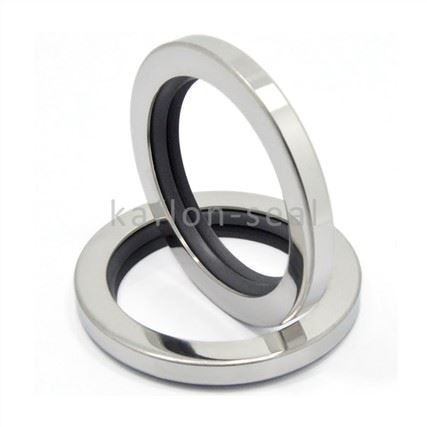


 Blog
BlogThe performance of rotary shaft seals is crucial in various industrial applications as they prevent the leakage of fluids and the ingress of contaminants. Among the many factors that influence the performance of these seals, the surface finish of the shaft plays a significant role. As a leading supplier of Rotary Shaft Seals, we have witnessed firsthand the impact of shaft surface finish on seal performance, and in this blog, we will delve into the details of this relationship.
Understanding Shaft Surface Finish
Shaft surface finish refers to the texture and smoothness of the shaft's surface. It is typically characterized by parameters such as roughness average (Ra), which measures the average deviation of the surface from its mean line. A lower Ra value indicates a smoother surface. Other parameters like Rz (average maximum height of the profile) and Rq (root - mean - square roughness) also provide additional information about the surface texture.
The surface finish of a shaft is determined during the manufacturing process, which can involve machining operations such as turning, grinding, and polishing. Each of these processes can result in different surface finishes, and the choice of process depends on the application requirements.
Impact on Seal Life
One of the most significant effects of shaft surface finish on rotary shaft seal performance is its influence on seal life. A rough shaft surface can cause excessive wear on the seal lip. When the seal lip comes into contact with a rough shaft, the high points on the shaft surface can abrade the seal material over time. This abrasion can lead to premature failure of the seal, reducing its service life.
For example, in a high - speed rotating application, a rough shaft surface can cause the seal lip to vibrate and chatter. This vibration not only accelerates wear but also increases the likelihood of fluid leakage. On the other hand, a smooth shaft surface reduces the frictional forces between the seal lip and the shaft, minimizing wear and extending the seal's life.
Leakage Prevention
The surface finish of the shaft also plays a crucial role in preventing fluid leakage. A smooth shaft surface provides a better sealing interface with the seal lip. When the shaft surface is smooth, the seal lip can conform more closely to the shaft, creating a more effective seal. This reduces the chances of fluid leaking past the seal.
In contrast, a rough shaft surface can create gaps between the seal lip and the shaft. These gaps can allow fluids to leak through, even under normal operating conditions. For instance, in hydraulic systems where high - pressure fluids are present, a rough shaft surface can lead to significant leakage, which not only wastes fluid but also can cause damage to other components in the system.
Friction and Heat Generation
Friction between the seal lip and the shaft is another important aspect affected by shaft surface finish. A rough shaft surface increases the frictional forces between the seal and the shaft. This increased friction can lead to higher heat generation. Excessive heat can cause the seal material to degrade, losing its elasticity and sealing properties.
In applications where the shaft rotates at high speeds, the heat generated due to friction can be particularly problematic. The high temperatures can cause the seal to harden and crack, leading to failure. A smooth shaft surface, however, reduces friction and heat generation, helping to maintain the integrity of the seal material and ensuring optimal performance.
Compatibility with Different Seal Materials
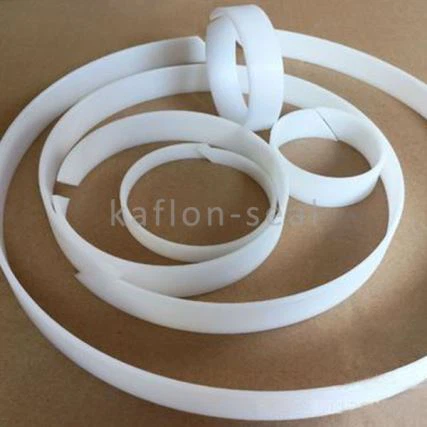
Different seal materials have different sensitivities to shaft surface finish. For example, elastomeric seals, such as nitrile rubber seals, are generally more forgiving of slightly rough shaft surfaces compared to PTFE Lip Seals. PTFE is a relatively hard material, and it requires a smoother shaft surface to achieve optimal performance.
A rough shaft surface can cause the PTFE seal lip to wear unevenly, leading to premature failure. Rotary PTFE Lips Stainless Oil Seals are often used in applications where high - temperature resistance and chemical compatibility are required. To ensure the long - term performance of these seals, a smooth shaft surface is essential.
Similarly, Medical Equipment Rotary PTFE POB Oil Seals used in medical devices demand a high - quality shaft surface finish. In medical applications, any leakage or premature seal failure can have serious consequences, so maintaining the proper shaft surface finish is of utmost importance.
Optimal Shaft Surface Finish for Different Applications
The optimal shaft surface finish depends on the specific application requirements. In general, for most industrial applications, a surface finish with an Ra value between 0.2 and 0.8 micrometers is recommended. However, in high - precision applications such as aerospace and medical equipment, an even smoother surface finish may be required.
In applications where the seal is subjected to high pressures or high - speed rotation, a smoother shaft surface is necessary to reduce wear and leakage. On the other hand, in less demanding applications, a slightly rougher surface finish may be acceptable.
Importance of Quality Control
As a Rotary Shaft Seals supplier, we understand the importance of quality control when it comes to shaft surface finish. We work closely with our customers to ensure that the shaft surface finish meets the requirements of our seals. We provide technical support and guidance on the optimal surface finish for different applications.
We also conduct thorough testing of our seals in combination with different shaft surface finishes to ensure their performance. Our testing facilities allow us to simulate real - world operating conditions and evaluate the seal's performance under various scenarios.
Conclusion
In conclusion, the surface finish of the shaft has a profound effect on the performance of rotary shaft seals. It influences seal life, leakage prevention, friction, and heat generation. Choosing the right shaft surface finish is crucial for ensuring the optimal performance and longevity of the seals.


As a trusted Rotary Shaft Seals supplier, we are committed to providing high - quality seals and technical expertise to our customers. If you are looking for reliable rotary shaft seals and need advice on shaft surface finish, we encourage you to contact us for procurement and further discussions. Our team of experts is ready to assist you in finding the best solutions for your specific applications.
References
- "Sealing Technology Handbook" by John S. Campbell
- "Rotary Shaft Seals: Design, Selection, and Application" by various industry experts
- Technical papers from leading seal manufacturers on the impact of shaft surface finish on seal performance.