


 Popular Blog Posts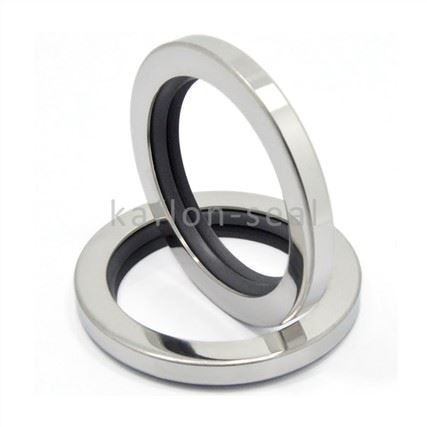


 Blog
BlogIn the realm of industrial sealing solutions, polyurethane seals have emerged as a cornerstone for a wide array of applications, thanks to their remarkable dynamic sealing performance. As a dedicated supplier of polyurethane seals, I have witnessed firsthand the transformative impact these seals have on various industries, from oil and gas to automotive and manufacturing. In this blog, I will delve into the intricacies of the dynamic sealing performance of polyurethane seals, exploring their unique properties, applications, and the factors that contribute to their effectiveness.

Understanding Dynamic Sealing
Before we dive into the specifics of polyurethane seals, it's essential to understand the concept of dynamic sealing. Dynamic seals are designed to prevent the leakage of fluids or gases between two moving parts, such as pistons, shafts, or rotating equipment. Unlike static seals, which are used in stationary applications, dynamic seals must withstand continuous movement, pressure, and friction, making them a critical component in many industrial systems.
The performance of a dynamic seal is measured by its ability to maintain a tight seal under varying conditions, including temperature, pressure, and speed. A high-performing dynamic seal should minimize leakage, reduce friction, and provide long-lasting durability, ensuring the efficient operation of the equipment.
Properties of Polyurethane Seals
Polyurethane is a versatile polymer that offers a unique combination of properties, making it an ideal material for dynamic sealing applications. Here are some of the key properties of polyurethane seals:
- High Abrasion Resistance: Polyurethane seals are highly resistant to abrasion, making them suitable for applications where the seal comes into contact with rough surfaces or particles. This property ensures that the seal maintains its integrity and performance over time, even in harsh environments.
- Excellent Elasticity: Polyurethane has excellent elasticity, allowing it to conform to irregular surfaces and maintain a tight seal. This property is particularly important in dynamic applications, where the seal may be subjected to repeated deformation and stress.
- Good Chemical Resistance: Polyurethane seals exhibit good resistance to a wide range of chemicals, including oils, fuels, and solvents. This property makes them suitable for use in various industries, such as automotive, aerospace, and chemical processing.
- Low Friction Coefficient: Polyurethane has a low friction coefficient, which reduces the amount of energy required to move the sealed parts. This property not only improves the efficiency of the equipment but also reduces wear and tear on the seal and the mating surfaces.
- Wide Temperature Range: Polyurethane seals can operate effectively over a wide temperature range, from -40°C to 120°C (-40°F to 248°F). This property makes them suitable for use in both high and low-temperature applications.
Dynamic Sealing Performance of Polyurethane Seals
The dynamic sealing performance of polyurethane seals is influenced by several factors, including the design of the seal, the operating conditions, and the properties of the polyurethane material. Here are some of the key factors that contribute to the dynamic sealing performance of polyurethane seals:
- Seal Design: The design of the seal plays a crucial role in its dynamic sealing performance. A well-designed seal should have the right shape, size, and cross-section to ensure a proper fit and a tight seal. Additionally, the seal should be designed to accommodate the specific operating conditions, such as pressure, temperature, and speed.
- Operating Conditions: The operating conditions, such as pressure, temperature, and speed, can significantly affect the dynamic sealing performance of polyurethane seals. For example, high pressure can cause the seal to deform, leading to increased leakage. Similarly, high temperatures can reduce the elasticity of the polyurethane, making it less effective at maintaining a tight seal. It is essential to select the appropriate polyurethane material and seal design based on the operating conditions to ensure optimal performance.
- Material Properties: The properties of the polyurethane material, such as hardness, elasticity, and chemical resistance, can also impact the dynamic sealing performance of the seal. For example, a harder polyurethane material may be more suitable for high-pressure applications, while a softer material may be better for low-pressure applications. Additionally, the chemical resistance of the polyurethane material should be considered to ensure compatibility with the fluids or gases being sealed.
Applications of Polyurethane Seals
Polyurethane seals are used in a wide range of applications across various industries. Here are some of the common applications of polyurethane seals:
- Automotive Industry: Polyurethane seals are used in automotive engines, transmissions, and suspension systems to prevent the leakage of fluids and gases. They are also used in door and window seals to provide a weatherproof and noise-reducing barrier.
- Oil and Gas Industry: Polyurethane seals are used in oil and gas exploration and production equipment, such as pumps, valves, and wellheads, to prevent the leakage of oil, gas, and other fluids. They are also used in subsea applications, where they must withstand high pressures and harsh environmental conditions.
- Aerospace Industry: Polyurethane seals are used in aerospace applications, such as aircraft engines, hydraulic systems, and fuel tanks, to ensure the safety and reliability of the equipment. They are also used in spacecraft and satellites, where they must operate in extreme environments.
- Industrial Machinery: Polyurethane seals are used in various industrial machinery, such as pumps, compressors, and hydraulic cylinders, to prevent the leakage of fluids and gases. They are also used in conveyor systems, where they provide a seal between the moving parts and the conveyor belt.
Types of Polyurethane Seals
There are several types of polyurethane seals available, each designed for specific applications. Here are some of the common types of polyurethane seals:
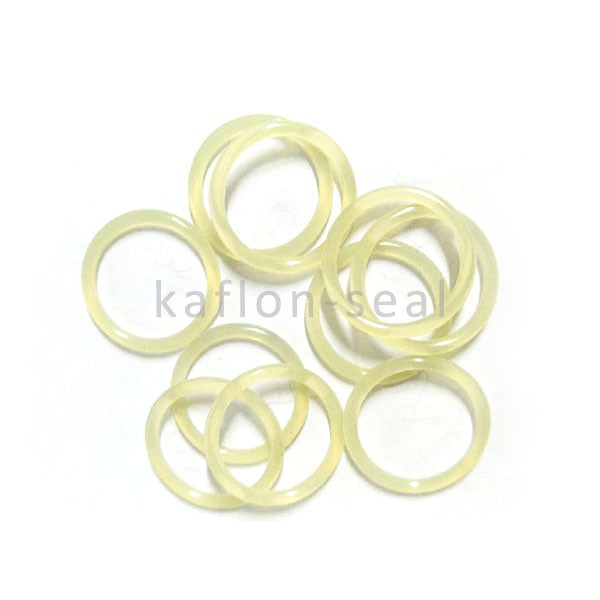
- O-Rings: O-rings are the most common type of polyurethane seal, used in a wide range of applications. They are circular in shape and are designed to fit into a groove, providing a seal between two mating surfaces.
- Lip Seals: Lip seals are used to prevent the leakage of fluids or gases along a rotating shaft. They consist of a flexible lip that contacts the shaft, creating a seal. Lip seals are commonly used in automotive, aerospace, and industrial applications.
- Wiper Seals: Wiper seals are used to prevent the ingress of dirt, dust, and other contaminants into the equipment. They are typically installed on the outside of the seal, wiping the surface of the shaft as it moves. Wiper seals are commonly used in hydraulic cylinders and other equipment that operates in dirty environments.
- Custom Seals: In addition to standard seals, polyurethane seals can also be custom-designed to meet specific application requirements. Custom seals can be made in various shapes, sizes, and configurations, ensuring a perfect fit and optimal performance.
Factors Affecting the Dynamic Sealing Performance of Polyurethane Seals
While polyurethane seals offer excellent dynamic sealing performance, several factors can affect their performance. Here are some of the key factors to consider:
- Installation: Proper installation is crucial for the performance of polyurethane seals. The seal should be installed correctly, ensuring that it is properly seated and aligned. Incorrect installation can lead to leakage, premature wear, and reduced performance.
- Maintenance: Regular maintenance is essential to ensure the long-term performance of polyurethane seals. The seals should be inspected regularly for signs of wear, damage, or leakage, and replaced as needed. Additionally, the equipment should be properly lubricated to reduce friction and wear on the seal.
- Environmental Conditions: The environmental conditions, such as temperature, humidity, and chemical exposure, can affect the performance of polyurethane seals. Extreme temperatures, high humidity, and exposure to chemicals can cause the polyurethane to degrade, leading to reduced performance and premature failure. It is essential to select the appropriate polyurethane material and seal design based on the environmental conditions to ensure optimal performance.
Conclusion
Polyurethane seals offer excellent dynamic sealing performance, thanks to their unique combination of properties, including high abrasion resistance, excellent elasticity, good chemical resistance, low friction coefficient, and wide temperature range. These properties make them an ideal material for a wide range of dynamic sealing applications, from automotive and aerospace to oil and gas and industrial machinery.
As a supplier of polyurethane seals, I understand the importance of providing high-quality seals that meet the specific requirements of our customers. We offer a wide range of polyurethane seals, including Mud Pump Valve Seat Seal, Polyurethane Filled With Solid Lubricants, and Polyurethane, to meet the diverse needs of our customers. Our seals are designed and manufactured to the highest standards, ensuring optimal performance and reliability.
If you are looking for high-quality polyurethane seals for your dynamic sealing applications, please contact us to discuss your requirements. Our team of experts will work with you to select the right seal for your application and provide you with the best possible solution.
References
- "Polyurethane Elastomers: Chemistry, Properties, and Applications" by Charles A. Harper
- "Sealing Technology Handbook" by John H. Bickford
- "Engineering Materials Handbook: Volume 2 - Engineering Plastics" by ASM International