


 Popular Blog Posts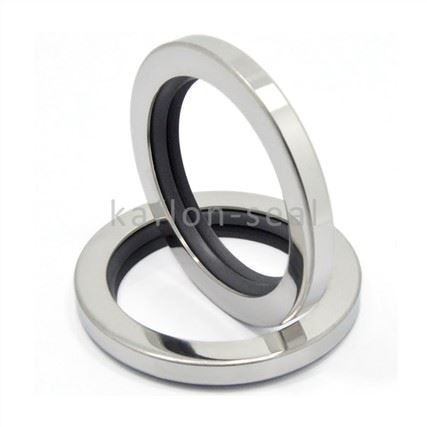



 Blog
BlogAs a seasoned supplier of radial oil seals, I've witnessed firsthand the diverse needs of industries relying on these crucial components. One question that frequently arises is the difference between standard and heavy - duty radial oil seals. In this blog, I'll delve into the key distinctions, helping you understand which type is most suitable for your specific applications.


Construction and Materials
Standard radial oil seals are typically designed for general - purpose applications. They are commonly made from materials like nitrile rubber (NBR), which offers good resistance to oil, grease, and a wide range of temperatures. NBR - based standard seals are cost - effective and can handle normal operating conditions in many industrial, automotive, and machinery applications. The construction of a standard seal usually consists of a metal case, which provides structural support, and a rubber sealing lip that comes into contact with the shaft to prevent fluid leakage.
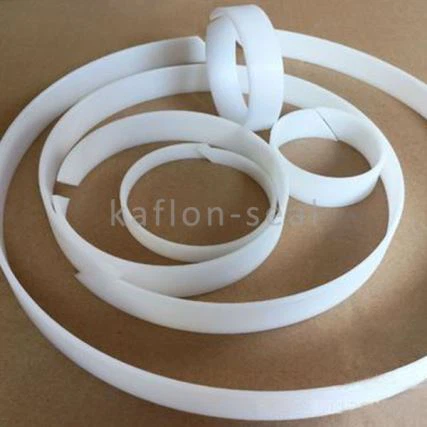
On the other hand, heavy - duty radial oil seals are engineered to withstand more extreme conditions. They often use advanced materials such as fluoroelastomers (FKM) or polytetrafluoroethylene (PTFE). FKM offers excellent resistance to high temperatures, aggressive chemicals, and ozone. This makes heavy - duty seals made from FKM ideal for applications in the chemical, aerospace, and high - performance automotive industries. PTFE, known for its low friction coefficient and high chemical resistance, is also a popular choice for heavy - duty seals. For example, our Vacuum Operation PTFE Stainless Oil Seal is crafted with PTFE, ensuring reliable performance in vacuum and high - precision applications.
The construction of heavy - duty seals is also more robust. They may have thicker metal cases and reinforced sealing lips to withstand higher pressures, vibrations, and shaft misalignments. The additional reinforcement helps to maintain the integrity of the seal under harsh operating conditions.
Performance and Durability
When it comes to performance, standard radial oil seals are sufficient for most common applications. They can effectively seal lubricants and prevent contaminants from entering the system at normal operating speeds and pressures. However, their performance may degrade over time when exposed to extreme conditions. For instance, in high - temperature environments, NBR seals may harden and lose their elasticity, leading to increased leakage.
Heavy - duty radial oil seals, in contrast, are built to last. They can maintain their sealing performance even under high - speed rotation, high pressure, and extreme temperature fluctuations. For example, in heavy - duty machinery such as mining equipment or large - scale industrial pumps, where the operating conditions are extremely harsh, heavy - duty seals can significantly reduce downtime due to seal failure. Their superior durability also means fewer replacements, which can lead to long - term cost savings. Our Dynamic Sealing Rotary Shaft Seal Ring is a prime example of a heavy - duty seal that offers exceptional performance and durability in demanding applications.
Application Suitability
Standard radial oil seals are widely used in everyday applications. In the automotive industry, they are used in engines, transmissions, and axles for general - purpose sealing. In industrial machinery, they can be found in pumps, motors, and gearboxes where the operating conditions are relatively mild. Their affordability and wide availability make them a popular choice for many manufacturers.
Heavy - duty radial oil seals are reserved for applications that demand the highest level of performance. In the aerospace industry, they are used in jet engines, hydraulic systems, and landing gear to ensure reliable operation under extreme conditions. In the oil and gas industry, heavy - duty seals are essential for offshore drilling equipment, where the seals are exposed to corrosive fluids, high pressures, and harsh environmental conditions. Our Radial PTFE Shaft Seal is a versatile heavy - duty option suitable for a variety of high - performance applications.
Cost Considerations
Cost is an important factor when choosing between standard and heavy - duty radial oil seals. Standard seals are generally more affordable due to their simpler construction and the use of common materials. This makes them a cost - effective solution for applications where the operating conditions are not too severe.
Heavy - duty seals, however, come with a higher price tag. The use of advanced materials and more complex manufacturing processes contributes to their higher cost. But it's important to consider the long - term benefits. Although the initial investment is higher, the reduced frequency of replacements and the lower risk of equipment failure can result in significant cost savings over the life of the equipment.
Conclusion
In summary, the main differences between standard and heavy - duty radial oil seals lie in their construction, materials, performance, application suitability, and cost. Standard seals are a great choice for general - purpose applications where the operating conditions are relatively mild. They offer a cost - effective solution with reliable performance for most common uses.
Heavy - duty seals, on the other hand, are designed for extreme conditions. They provide superior performance and durability, making them essential for industries such as aerospace, chemical, and heavy machinery.
If you're unsure which type of radial oil seal is right for your application, our team of experts is here to help. We can provide detailed technical advice and recommend the most suitable seal based on your specific requirements. Whether you need a standard seal for a common application or a heavy - duty seal for a high - performance system, we have the products and expertise to meet your needs. Contact us today to start a discussion about your radial oil seal requirements and let's work together to find the best solution for your business.
References
- "Sealing Technology Handbook", Edited by John Neale
- "Elastomers and Their Sealing Applications", by Alan Roberts
- Industry reports on radial oil seal manufacturing and applications