


 Popular Blog Posts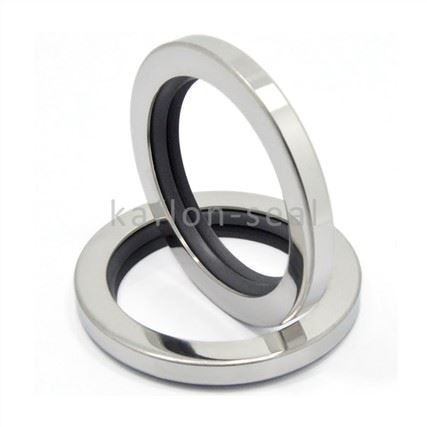


 Blog
BlogHey there! As a supplier of Rotary Shaft Seals, I've seen a lot of questions about the differences between internal and external rotary shaft seals. So, I thought I'd break it down for you in a simple, easy - to - understand way.
Let's start with the basics. A rotary shaft seal is a crucial component in many machines. Its main job is to prevent the leakage of fluids, like oil or grease, and keep out contaminants such as dirt, dust, and water. This helps to ensure the smooth operation and longevity of the machinery.
Internal Rotary Shaft Seals
Internal rotary shaft seals, also known as inner seals, are installed inside a housing or bore. They are designed to seal the fluid within a specific area of the machine.
One of the key features of internal seals is their ability to handle high - pressure situations. Since they are placed inside the housing, they can withstand the pressure exerted by the fluid within that space. For example, in a hydraulic system, the internal seal has to keep the hydraulic fluid from leaking out while the system is under high pressure.
These seals are often used in applications where the shaft rotates inside a stationary housing. In an automotive engine, the crankshaft rotates inside the engine block, and internal seals are used to prevent oil from leaking out of the engine.
Another advantage of internal seals is that they are protected from external elements. The housing acts as a shield, reducing the risk of damage from dirt, debris, or impact. This means they generally have a longer lifespan compared to some external seals.
However, internal seals can be a bit tricky to install and replace. You often need to disassemble parts of the machine to access the seal. This can be time - consuming and may require specialized tools.

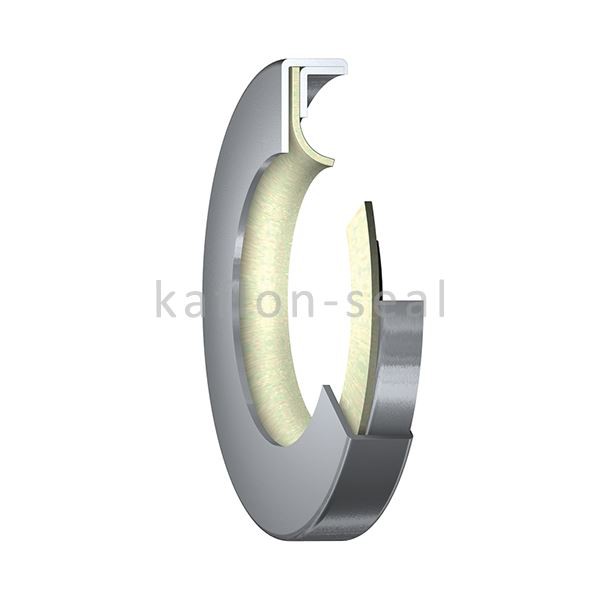
External Rotary Shaft Seals
On the other hand, external rotary shaft seals are mounted on the outside of a housing. Their primary function is to keep contaminants out of the machine while also retaining the lubricating fluid inside.
External seals are great for applications where the shaft is exposed to the environment. In agricultural machinery, which operates in dusty and dirty fields, external seals prevent dirt and debris from entering the gearbox or other components.
They are relatively easy to install and replace. You don't usually have to take apart a large part of the machine to access an external seal. This makes maintenance quicker and more cost - effective.
But external seals face more challenges from the outside environment. They are directly exposed to dirt, water, and other contaminants, which can wear them down faster. Extreme weather conditions, like high heat or cold, can also affect their performance.
Key Differences in Design
The design of internal and external seals also varies significantly.
Internal seals often have a more robust construction. They need to withstand high internal pressures, so they are typically made of materials that can handle these forces. High - strength elastomers or metal - reinforced designs are common.
External seals, on the other hand, are designed to be more flexible. They need to conform to the shape of the shaft and housing while also providing a good seal against external elements. They are often made of softer materials, like rubber or silicone, which can adapt to different conditions.
Material Selection
The choice of material for a rotary shaft seal is crucial, and it differs for internal and external seals.
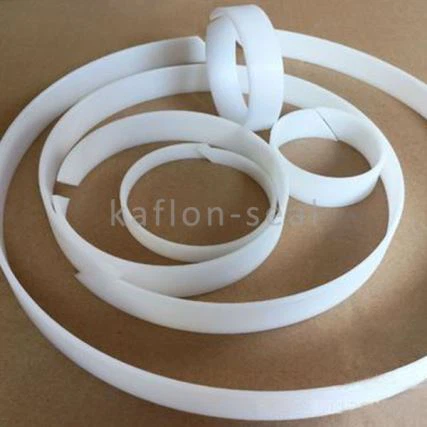
For internal seals, materials with high chemical resistance and durability are preferred. PTFE (polytetrafluoroethylene) is a popular choice. PTFE has a low friction coefficient, which reduces wear on the shaft and the seal itself. Check out our Friction Coefficients PTFE Oil Seal Seal for more details on how PTFE can be used in internal seals.
External seals need materials that can resist environmental factors. Rubber compounds are commonly used because they are flexible and can provide a good seal against dirt and water. Our Double Lips PTFE Oil Seal is a great example of an external seal that combines the benefits of PTFE and rubber.
Performance in Different Applications
The performance of internal and external seals also varies depending on the application.
In high - speed applications, internal seals are often the better choice. Their robust design can handle the centrifugal forces generated by the rotating shaft. For example, in a high - speed electric motor, an internal seal can prevent oil leakage and ensure smooth operation.
External seals are more suitable for low - speed, high - torque applications. In a heavy - duty industrial gearbox, the external seal can keep out contaminants while the gearbox operates under high loads.
Cost Considerations
Cost is always an important factor when choosing a rotary shaft seal.
Internal seals are generally more expensive. Their complex design, high - quality materials, and the difficulty of installation all contribute to the higher cost. However, considering their longer lifespan and better performance in high - pressure applications, the investment can be worth it in the long run.
External seals are usually more affordable. Their simpler design and easier installation make them a cost - effective option for many applications.
When to Choose Internal or External Seals
So, how do you decide whether to use an internal or external rotary shaft seal?
If you have a high - pressure, high - speed application where the shaft rotates inside a housing and you need a long - lasting, reliable seal, an internal seal is the way to go.
On the other hand, if your application is exposed to the environment, requires easy maintenance, and operates under lower speeds and higher torques, an external seal is a better choice.
As a supplier of Rotary Shaft Seals, we offer a wide range of both internal and external seals to meet your specific needs. Our Radial PTFE Shaft Seal is just one of the many products we have that can provide excellent sealing performance.
If you're still not sure which type of seal is right for your application, feel free to reach out to us. Our team of experts is always ready to help you make the best choice. Whether you're a small - scale manufacturer or a large industrial company, we can provide you with the right seals at a competitive price.
We understand that every machine is unique, and the right seal can make a big difference in its performance. So, don't hesitate to contact us for more information and to start a procurement discussion. We're here to ensure that your machinery runs smoothly and efficiently.
References
- "Sealing Technology Handbook" by John H. Birk.
- "Rotary Shaft Seals: Design and Application" by various industry experts.