


 Popular Blog Posts


 Blog
BlogHey there! As a supplier of Hydraulic Piston Seals, I often get asked about the difference between static and dynamic hydraulic piston seals. This is a crucial topic for anyone involved in the hydraulic industry, whether you're an engineer, a maintenance technician, or a buyer. So, let's dive right in and break it down.
What Are Hydraulic Piston Seals?
First off, let's quickly go over what hydraulic piston seals are. These are components used in hydraulic cylinders to prevent the leakage of fluid between the piston and the cylinder wall. They play a vital role in maintaining the efficiency and performance of hydraulic systems. Without proper seals, you'd have fluid leaks, which can lead to loss of pressure, reduced system performance, and even damage to other components.
Static Hydraulic Piston Seals
Static hydraulic piston seals are designed to seal in a stationary position. They are used in applications where there is no relative motion between the sealing surfaces. For example, in a hydraulic cylinder, a static seal might be used to seal the end caps or the ports.
How They Work
Static seals rely on compression to create a seal. When the seal is installed, it is compressed between two surfaces. This compression causes the seal to deform and fill any gaps or irregularities in the mating surfaces, preventing fluid from leaking past.
Advantages
- Simple Design: Static seals are generally simpler in design compared to dynamic seals. They don't have to withstand the wear and tear of movement, so they can be made from a wider range of materials and in more straightforward shapes.
- Reliable Sealing: Since there is no movement, static seals can provide a very reliable seal over a long period. They are less likely to experience wear and tear, which means they have a longer service life.
- Cost-Effective: Due to their simple design and lower manufacturing complexity, static seals are often more cost-effective than dynamic seals.
Disadvantages
- Limited Application: Static seals are only suitable for applications where there is no relative motion between the sealing surfaces. If there is movement, a static seal will quickly wear out and fail.
Dynamic Hydraulic Piston Seals
Dynamic hydraulic piston seals, on the other hand, are designed to seal in a moving environment. They are used in applications where there is relative motion between the sealing surfaces, such as the piston moving inside the cylinder.
How They Work
Dynamic seals have to withstand both pressure and movement. They use a combination of materials and design features to create a seal that can move with the piston while still preventing fluid leakage. For example, some dynamic seals have a lip design that follows the movement of the piston and maintains contact with the cylinder wall.
Advantages
- Suitable for Moving Parts: Dynamic seals are essential for applications where there is relative motion between the sealing surfaces. They can withstand the wear and tear of movement and still provide an effective seal.
- High Performance: Dynamic seals are designed to perform under high pressure and high-speed conditions. They can maintain a seal even in demanding applications, ensuring the efficient operation of the hydraulic system.
Disadvantages
- Higher Cost: Dynamic seals are more complex in design and require more advanced materials and manufacturing processes. This makes them more expensive than static seals.
- Shorter Service Life: Due to the wear and tear of movement, dynamic seals have a shorter service life compared to static seals. They need to be replaced more frequently to ensure the continued performance of the hydraulic system.
Key Differences
Material Selection
Static seals can be made from a wider range of materials, including rubber, plastic, and metal. The choice of material depends on the application requirements, such as the type of fluid being sealed, the temperature, and the pressure. Dynamic seals, on the other hand, require materials that can withstand the wear and tear of movement. Common materials for dynamic seals include PTFE Piston Seal Glyd Ring, polyurethane, and nitrile rubber.
Design
Static seals typically have a simpler design, such as an O-ring or a gasket. These designs are easy to install and can provide an effective seal in a stationary position. Dynamic seals, however, have more complex designs. They may have lips, grooves, or other features to help them maintain contact with the moving surface and prevent fluid leakage. For example, a Single Acting Step Seal Ring is a type of dynamic seal that is designed to work in one direction and provide a reliable seal under high pressure.
Performance
Static seals are designed to provide a long-term, reliable seal in a stationary position. They are not subjected to the same stresses as dynamic seals, so they can maintain their performance over a longer period. Dynamic seals, on the other hand, have to perform under more challenging conditions. They need to be able to withstand the wear and tear of movement, as well as the pressure and temperature changes in the hydraulic system.


Importance of Choosing the Right Seal
Choosing the right seal is crucial for the performance and reliability of your hydraulic system. Using the wrong type of seal can lead to fluid leaks, reduced system performance, and even damage to other components.
If you're dealing with a stationary application, a static seal is the obvious choice. It will provide a reliable seal at a lower cost and with a longer service life. However, if you have a moving application, you need to use a dynamic seal. A dynamic seal is designed to withstand the wear and tear of movement and provide an effective seal under high pressure and high-speed conditions.
Additional Considerations
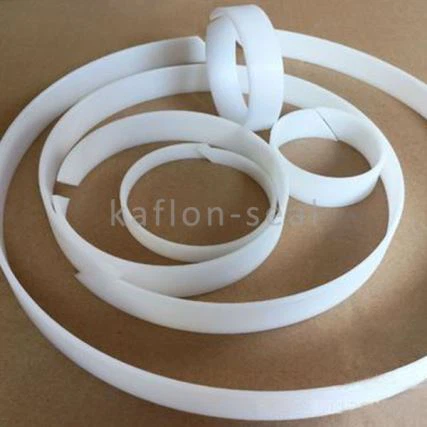
In addition to static and dynamic seals, there are other types of seals and components that are important in a hydraulic system. For example, Guiding Piston POM Guide Ring is used to guide the piston and prevent it from rubbing against the cylinder wall. This helps to reduce wear and tear on the piston and the seal, improving the overall performance and service life of the hydraulic system.
Conclusion
In conclusion, the difference between static and dynamic hydraulic piston seals lies in their design, function, and application. Static seals are used in stationary applications and rely on compression to create a seal. They are simple, reliable, and cost-effective. Dynamic seals, on the other hand, are used in moving applications and have to withstand the wear and tear of movement. They are more complex, expensive, and have a shorter service life, but they are essential for the efficient operation of hydraulic systems with moving parts.
If you're in the market for hydraulic piston seals, it's important to choose the right type of seal for your application. Consider the operating conditions, the type of fluid being sealed, and the level of performance required. And if you have any questions or need help choosing the right seal, don't hesitate to reach out. We're here to help you find the best solution for your hydraulic system. Whether you need static seals for a stationary application or dynamic seals for a moving one, we've got you covered. Contact us today to start the procurement process and get the high-quality hydraulic piston seals you need.
References
- "Hydraulic Seals Handbook" - A comprehensive guide on the design, selection, and application of hydraulic seals.
- Industry standards and specifications for hydraulic seals from organizations such as ISO and ASME.