


 Popular Blog Posts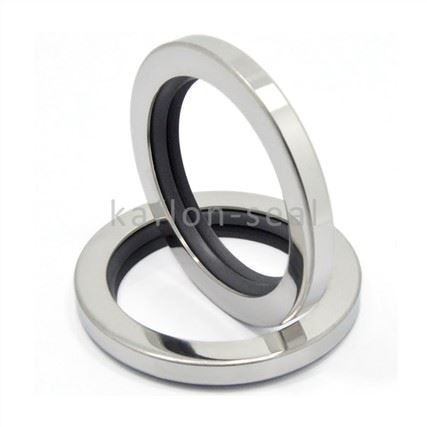


 Blog
BlogHey there! As a supplier of F200 PTFE Virgin, I often get asked about its density. So, let's dive right into it and figure out what the density of F200 PTFE Virgin really is.
First off, what's PTFE? PTFE stands for polytetrafluoroethylene. It's a synthetic fluoropolymer known for its outstanding chemical resistance, low friction coefficient, and high melting point. F200 PTFE Virgin is a specific grade of PTFE that's in its pure, virgin form, meaning it hasn't been recycled or blended with other materials.


The density of F200 PTFE Virgin is typically around 2.14 - 2.20 g/cm³. This density range is a key characteristic that affects how the material behaves in various applications. You might be wondering why density matters. Well, it plays a crucial role in determining the material's mechanical and physical properties.
A higher density can sometimes mean better mechanical strength. For instance, in applications where the PTFE is going to be under a lot of pressure or stress, a higher density might make it more resistant to deformation. On the other hand, a lower density within the acceptable range could potentially offer some flexibility while still maintaining most of the desirable PTFE properties.
Now, let's talk about where F200 PTFE Virgin is commonly used. One of the big areas is in the manufacturing of seals. PTFE Valve Seats Seal are a prime example. The chemical resistance of F200 PTFE Virgin makes it ideal for use in valves where it needs to withstand harsh chemicals and fluids. These seals can be found in industries like chemical processing, oil and gas, and water treatment.
Another popular application is in the form of FPA Encapsulated Spring O Ring. These o - rings combine the flexibility of a spring with the chemical resistance of PTFE. They're used in a wide range of equipment, from automotive engines to aerospace components. The density of the F200 PTFE Virgin used in these o - rings affects how well they can seal under different pressures and temperatures.
FEP Encapsulated O Ring are also made with F200 PTFE Virgin. FEP (fluorinated ethylene propylene) is often used in combination with PTFE to create a more durable and versatile sealing solution. The density of the PTFE core influences the overall performance of the o - ring, especially in terms of its resistance to wear and tear.
When it comes to producing F200 PTFE Virgin, the manufacturing process can have an impact on its density. We use state - of - the - art techniques to ensure that the density of our F200 PTFE Virgin falls within the specified range. Quality control is a big deal for us. We conduct regular tests to measure the density and other properties of the material. This way, we can guarantee that our customers are getting a product that meets their exact requirements.
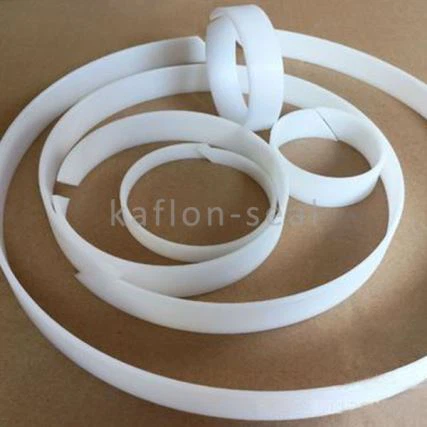
One of the things I love about F200 PTFE Virgin is its versatility. It can be machined into different shapes and sizes to fit various applications. Whether it's a small, precision - made seal or a large component for industrial machinery, F200 PTFE Virgin can be customized to do the job.
In addition to its density and mechanical properties, F200 PTFE Virgin also has excellent electrical insulation properties. This makes it suitable for use in the electronics industry. For example, it can be used as an insulator in high - voltage cables or in printed circuit boards. The density of the material can affect its dielectric constant, which is an important factor in electrical applications.
Now, let's touch on some of the challenges associated with working with F200 PTFE Virgin. One of the main issues is its relatively high cost compared to some other materials. However, when you consider its long - term performance and durability, the cost can be justified. Another challenge is the machining process. PTFE can be a bit tricky to machine because of its low friction coefficient. But with the right tools and techniques, we've been able to overcome these challenges and produce high - quality products.
As a supplier, we're always looking for ways to improve our products and services. We're constantly researching and developing new applications for F200 PTFE Virgin. We also work closely with our customers to understand their needs and provide them with the best possible solutions.
If you're in the market for F200 PTFE Virgin, I'd love to have a chat with you. Whether you're a small business looking for a few custom - made seals or a large corporation in need of bulk quantities, we can help. Our team of experts is ready to answer all your questions and guide you through the procurement process. So, don't hesitate to reach out and start a conversation about your F200 PTFE Virgin requirements.
In conclusion, the density of F200 PTFE Virgin is an important characteristic that affects its performance in a wide range of applications. From seals to electrical components, this material has a lot to offer. As a supplier, we're committed to providing high - quality F200 PTFE Virgin that meets the needs of our customers. If you're interested in learning more or making a purchase, get in touch with us and let's start talking about how we can work together.
References:
- Textbooks on polymer science and engineering
- Industry reports on PTFE applications
- In - house research and development data on F200 PTFE Virgin