


 Popular Blog Posts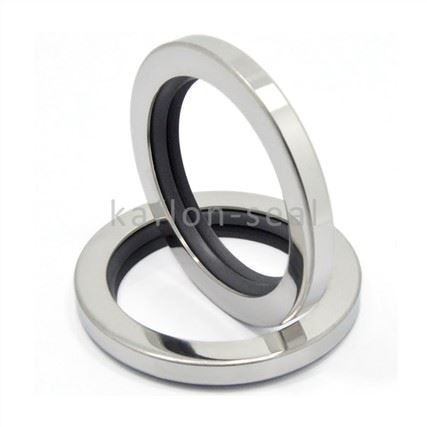



 Blog
BlogHey there! As a supplier of PTFE Lip Seals, I often get asked about the chemical resistance of these nifty little components. So, let's dive right in and explore what makes PTFE Lip Seals so resistant to a wide range of chemicals.
First off, what is PTFE? PTFE stands for Polytetrafluoroethylene, which is a synthetic fluoropolymer of tetrafluoroethylene. It's a pretty fancy name, but what it means in simple terms is that PTFE is a super - tough and chemically resistant material. You might know it by the brand name Teflon, which is one of the most well - known trademarks for PTFE products.
PTFE Lip Seals are used in a whole bunch of industries, from automotive to chemical processing, and even in Medical Equipment Rotary PTFE POB Oil Seal. Their ability to resist chemicals is a major selling point. But how do they do it?
One of the key reasons for PTFE's chemical resistance is its molecular structure. The carbon - fluorine bonds in PTFE are extremely strong. Fluorine is a highly electronegative element, which means it holds onto the electrons in the bond very tightly. This makes the bonds difficult to break, even when exposed to harsh chemicals.
Let's take a look at some of the types of chemicals that PTFE Lip Seals can handle. Acids are a common challenge in many industrial settings. PTFE Lip Seals can resist most inorganic acids, including sulfuric acid, hydrochloric acid, and nitric acid. These acids are highly corrosive and can eat through many materials, but PTFE stands up well to them. For example, in a chemical processing plant where sulfuric acid is used in large quantities, PTFE Lip Seals can prevent leaks and ensure the safe operation of equipment.
Bases are another group of chemicals that PTFE can handle. Sodium hydroxide and potassium hydroxide, which are strong bases commonly used in industries like pulp and paper manufacturing and water treatment, don't pose a threat to PTFE Lip Seals. The strong carbon - fluorine bonds in PTFE prevent the base from reacting with the material and causing degradation.
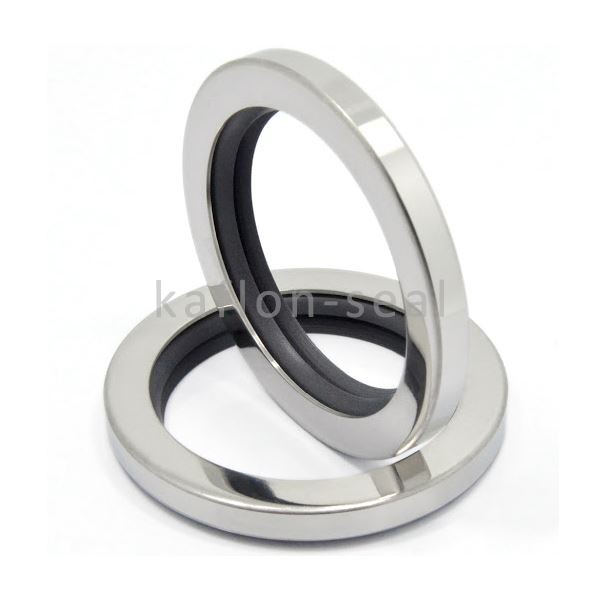

Organic solvents are also no match for PTFE. Solvents like acetone, toluene, and benzene are often used in the paint, printing, and pharmaceutical industries. PTFE Lip Seals can withstand exposure to these solvents without swelling, dissolving, or losing their sealing properties. This is crucial in applications where the seal needs to maintain its integrity in the presence of these volatile and potentially harmful substances.
In addition to its resistance to acids, bases, and solvents, PTFE is also resistant to many oxidizing agents. Oxidizing agents like hydrogen peroxide and chlorine can cause rapid corrosion in many materials, but PTFE can handle them. This makes PTFE Lip Seals suitable for use in water treatment plants, where chlorine is used to disinfect water, and in the production of hydrogen peroxide.
Now, let's talk about the different types of PTFE Lip Seals we offer. We have Radial PTFE Shaft Seal, which are designed to seal rotating shafts. These seals are often used in pumps, motors, and other rotating equipment. Their chemical resistance ensures that they can operate effectively in environments where the shaft is exposed to various chemicals.
Our Double Lips PTFE Oil Seal provides an extra layer of protection. The double - lip design helps to prevent the leakage of oil or other fluids, even in the presence of chemicals. This type of seal is commonly used in automotive engines and hydraulic systems.
It's important to note that while PTFE Lip Seals have excellent chemical resistance, there are some limitations. At extremely high temperatures and pressures, the performance of PTFE can be affected. Also, there are a few chemicals that can react with PTFE, although these are relatively rare. For example, molten alkali metals can react with PTFE, so it's important to avoid using PTFE Lip Seals in applications where they might come into contact with these substances.
When choosing a PTFE Lip Seal for your application, it's crucial to consider the specific chemicals it will be exposed to, as well as the temperature and pressure conditions. Our team of experts can help you select the right seal for your needs. Just reach out to us, and we'll work with you to find the best solution.
In conclusion, the chemical resistance of PTFE Lip Seals is a result of their unique molecular structure and the strength of the carbon - fluorine bonds. They can resist a wide range of chemicals, including acids, bases, solvents, and oxidizing agents. Whether you're in the medical equipment industry, chemical processing, or automotive manufacturing, PTFE Lip Seals can provide a reliable sealing solution.
If you're in the market for high - quality PTFE Lip Seals, don't hesitate to get in touch with us. We're here to help you with your sealing needs and ensure that your equipment operates smoothly and efficiently.
References
- "Handbook of Fluoropolymer Science and Technology"
- "Industrial Sealing Technology"