


 Popular Blog Posts



 Blog
BlogChemical resistance is a critical property for hydraulic wipers, which are essential components in hydraulic systems. As a leading supplier of hydraulic wipers, we understand the importance of this characteristic and its impact on the performance and longevity of hydraulic equipment.
Understanding Chemical Resistance in Hydraulic Wipers
Chemical resistance refers to a material's ability to withstand the effects of various chemicals without significant degradation. In the context of hydraulic wipers, this means that the wiper material can resist the corrosive, swelling, or softening effects of hydraulic fluids, lubricants, cleaning agents, and other chemicals it may come into contact with during operation.
The chemical composition of hydraulic fluids can vary widely, depending on their intended applications. Common types of hydraulic fluids include mineral oils, synthetic hydrocarbons, phosphate esters, and water - based fluids. Each type has its own set of chemical properties, and hydraulic wipers must be able to resist these properties to maintain their functionality.
Factors Affecting Chemical Resistance
Several factors influence the chemical resistance of hydraulic wipers:
- Material Selection: The choice of material for the hydraulic wiper is the most significant factor. Different materials have different levels of chemical resistance. For example, polyurethane is a popular choice for hydraulic wipers due to its excellent abrasion resistance, high elasticity, and good resistance to mineral - based hydraulic fluids. However, it may not be suitable for use with phosphate - ester - based fluids, which can cause swelling and degradation of the polyurethane material. On the other hand, materials like PTFE (polytetrafluoroethylene) offer excellent chemical resistance to a wide range of chemicals, including many aggressive hydraulic fluids.
- Temperature: Temperature can significantly affect the chemical resistance of hydraulic wipers. Higher temperatures can accelerate chemical reactions and increase the rate of material degradation. For example, at elevated temperatures, some materials may become more susceptible to swelling or chemical attack by hydraulic fluids. Therefore, it is crucial to consider the operating temperature range when selecting hydraulic wipers with appropriate chemical resistance.
- Exposure Time: The longer the hydraulic wiper is exposed to a particular chemical, the greater the potential for degradation. Continuous exposure to chemicals can gradually break down the material, leading to reduced performance and eventual failure of the wiper.
Importance of Chemical Resistance in Hydraulic Systems
The chemical resistance of hydraulic wipers is crucial for several reasons:
- Maintaining System Performance: A hydraulic wiper with good chemical resistance can effectively prevent contaminants from entering the hydraulic system. If the wiper is degraded by chemicals, it may lose its sealing ability, allowing dirt, dust, and moisture to enter the system. This can lead to increased wear and tear on other components, such as pistons, cylinders, and valves, and ultimately reduce the overall performance and efficiency of the hydraulic system.
- Extending Equipment Life: By resisting chemical degradation, hydraulic wipers can help extend the service life of hydraulic equipment. This reduces the frequency of maintenance and replacement, resulting in lower operating costs for end - users.
- Ensuring Safety: In some applications, such as in the aerospace, automotive, and industrial sectors, the proper functioning of hydraulic systems is critical for safety. A hydraulic wiper that can withstand the chemical environment ensures the reliable operation of the system, reducing the risk of accidents and failures.
Our Product Offerings and Chemical Resistance
As a hydraulic wiper supplier, we offer a wide range of products with different levels of chemical resistance to meet the diverse needs of our customers.
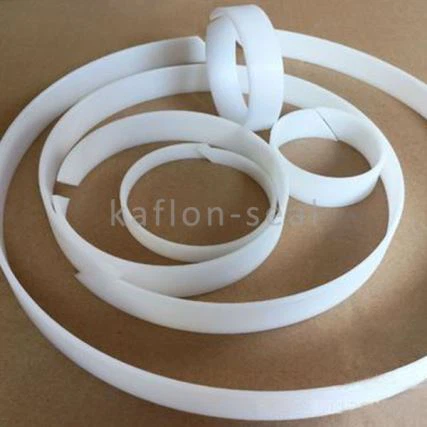
Our POM Guide Rings are made from polyoxymethylene (POM), a high - performance engineering plastic. POM has good chemical resistance to many common hydraulic fluids, including mineral oils and some synthetic fluids. It also offers excellent dimensional stability and low friction, making it an ideal material for guide rings in hydraulic systems.


Our Wear - resistant Guide Ring is designed to provide both wear resistance and chemical resistance. The material used in these guide rings is carefully selected to withstand the chemical environment of the hydraulic system while also reducing friction and wear on moving parts.
We also offer Hydraulic Polyurethane Wear Ring. Polyurethane wear rings have excellent abrasion resistance and good elasticity. They are suitable for use with many types of hydraulic fluids, including mineral - based oils. However, we also provide guidance on the compatibility of our polyurethane products with different chemicals to ensure optimal performance.
Testing and Quality Assurance
To ensure the chemical resistance of our hydraulic wipers, we conduct rigorous testing procedures. Our testing includes exposing the wiper materials to different chemicals under various conditions of temperature and pressure. We measure the changes in physical properties such as hardness, swelling, and tensile strength to evaluate the chemical resistance of the materials.
We also follow strict quality control measures throughout the manufacturing process. From the selection of raw materials to the final inspection of finished products, we ensure that our hydraulic wipers meet the highest standards of quality and chemical resistance.
Contact Us for Your Hydraulic Wiper Needs
If you are in the market for high - quality hydraulic wipers with excellent chemical resistance, we are here to help. Our team of experts can provide you with detailed information about our products, their chemical resistance properties, and their suitability for your specific applications. We can also offer customized solutions to meet your unique requirements.
Whether you are looking for standard hydraulic wipers or specialized products for a challenging chemical environment, we have the expertise and the product range to meet your needs. Contact us today to start a discussion about your hydraulic wiper requirements and explore how our products can enhance the performance and reliability of your hydraulic systems.
References
- "Handbook of Hydraulic Fluid Technology", by George E. Totten, Steven R. Westbrook, and Rajesh K. Gupta.
- "Elastomers and Rubber Compounding Materials", by Werner Hofmann.
- Technical literature from material suppliers on the chemical resistance of polymers used in hydraulic wipers.