


 Popular Blog Posts


 Blog
BlogWhat is the aging resistance of a hydraulic rod seal?
As a seasoned supplier of hydraulic rod seals, I've witnessed firsthand the pivotal role these components play in the smooth operation of hydraulic systems. One of the most crucial aspects that determines the performance and longevity of a hydraulic rod seal is its aging resistance. In this blog post, I'll delve into what aging resistance means for hydraulic rod seals, why it's so important, and how we ensure our products excel in this area.
Understanding Aging Resistance in Hydraulic Rod Seals
Aging resistance refers to a seal's ability to maintain its physical and chemical properties over time, despite exposure to various environmental factors and operating conditions. In the context of hydraulic rod seals, aging can be caused by a multitude of factors, including temperature fluctuations, exposure to chemicals, mechanical stress, and oxidation.
When a hydraulic rod seal ages, it can experience a range of detrimental effects. The material may harden, become brittle, or lose its elasticity, which can lead to reduced sealing performance. Cracks or tears may develop, allowing hydraulic fluid to leak past the seal and potentially causing system failure. Additionally, aging can compromise the seal's ability to withstand pressure, leading to increased wear and tear on other components in the hydraulic system.
Factors Affecting Aging Resistance
Temperature
Temperature is one of the most significant factors that can affect the aging resistance of a hydraulic rod seal. High temperatures can accelerate the chemical reactions that cause aging, such as oxidation and degradation of the seal material. On the other hand, low temperatures can make the seal material more rigid and less flexible, increasing the risk of cracking.
To combat the effects of temperature, we use high-quality materials that are specifically designed to withstand a wide range of temperatures. For example, some of our seals are made from materials that can operate effectively in temperatures ranging from -40°C to 200°C. This ensures that our seals can maintain their performance and integrity even in the most extreme operating conditions.
Chemical Exposure
Hydraulic systems often come into contact with a variety of chemicals, including hydraulic fluids, lubricants, and cleaning agents. These chemicals can have a corrosive effect on the seal material, causing it to degrade over time. Additionally, some chemicals may react with the seal material, altering its physical and chemical properties and reducing its aging resistance.
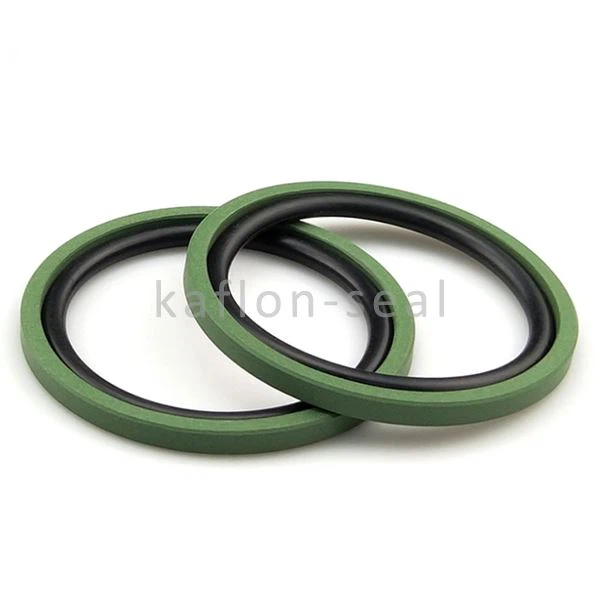
To address this issue, we carefully select materials that are resistant to the chemicals commonly used in hydraulic systems. Our seals are tested extensively to ensure that they can withstand exposure to a wide range of chemicals without experiencing significant degradation. For example, our Double Acting Rod Seal is designed to be highly resistant to hydraulic fluids and other chemicals, making it an ideal choice for applications where chemical exposure is a concern.
Mechanical Stress
Mechanical stress is another factor that can contribute to the aging of a hydraulic rod seal. The seal is subjected to constant pressure and friction as the rod moves back and forth within the hydraulic cylinder. Over time, this can cause the seal material to wear down, leading to reduced sealing performance and increased risk of leakage.
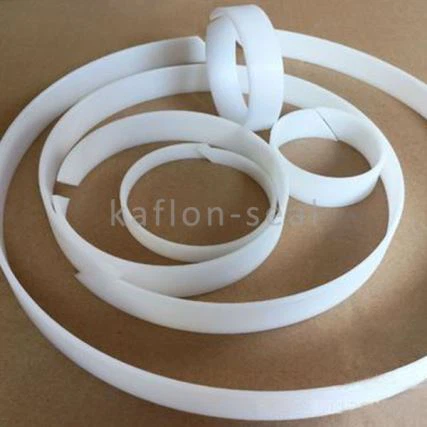
To improve the mechanical durability of our seals, we use advanced manufacturing techniques and high-quality materials. Our seals are designed to have a high resistance to wear and tear, ensuring that they can maintain their performance even under high levels of mechanical stress. For example, our PTFE Double Acting Rod Seal is made from a special PTFE material that has excellent wear resistance, making it suitable for applications where high levels of mechanical stress are expected.
Oxidation
Oxidation is a chemical process that occurs when the seal material reacts with oxygen in the air. This can cause the material to become brittle and lose its elasticity, leading to reduced sealing performance. Oxidation can be accelerated by factors such as high temperatures, exposure to sunlight, and the presence of certain chemicals.
To prevent oxidation, we use materials that are resistant to oxidation and incorporate antioxidants into our seal formulations. Our seals are also packaged in a way that minimizes their exposure to oxygen, ensuring that they remain in good condition until they are installed in the hydraulic system.
Importance of Aging Resistance
The aging resistance of a hydraulic rod seal is crucial for several reasons. Firstly, it directly affects the performance and reliability of the hydraulic system. A seal with poor aging resistance is more likely to fail prematurely, leading to hydraulic fluid leakage, reduced system efficiency, and increased maintenance costs. By using seals with high aging resistance, we can help our customers ensure that their hydraulic systems operate smoothly and reliably for an extended period of time.
Secondly, aging resistance is important for safety. Hydraulic systems are often used in critical applications, such as heavy machinery, automotive brakes, and aerospace equipment. A seal failure in these applications can have serious consequences, including equipment damage, personal injury, and even loss of life. By providing seals with high aging resistance, we can help our customers minimize the risk of seal failure and ensure the safety of their operations.
Finally, aging resistance can have a significant impact on the cost of ownership of a hydraulic system. Seals with poor aging resistance need to be replaced more frequently, which can result in higher maintenance costs and downtime. By using seals with high aging resistance, our customers can reduce their maintenance costs and increase the productivity of their hydraulic systems.

How We Ensure High Aging Resistance in Our Hydraulic Rod Seals
As a leading supplier of hydraulic rod seals, we are committed to providing our customers with products that offer the highest level of aging resistance. To achieve this, we follow a rigorous quality control process that starts with the selection of the raw materials and continues throughout the manufacturing process.
We work closely with our material suppliers to ensure that we use only the highest quality materials in our seals. Our materials are carefully tested to ensure that they meet our strict standards for aging resistance, chemical resistance, and mechanical durability. We also conduct extensive research and development to continuously improve our seal materials and manufacturing processes.
In addition to using high-quality materials, we also employ advanced manufacturing techniques to ensure that our seals are produced to the highest standards of quality. Our manufacturing facilities are equipped with state-of-the-art equipment and technology, which allows us to produce seals with precise dimensions and consistent performance. We also have a team of experienced engineers and technicians who oversee the manufacturing process to ensure that every seal meets our quality requirements.
Before our seals are shipped to our customers, they undergo a series of rigorous tests to ensure that they meet our quality standards. These tests include pressure testing, temperature testing, chemical resistance testing, and aging testing. Only seals that pass all of our tests are approved for sale.
Conclusion
In conclusion, the aging resistance of a hydraulic rod seal is a critical factor that determines its performance, reliability, and longevity. By understanding the factors that affect aging resistance and taking steps to ensure that our seals are designed and manufactured to withstand these factors, we can provide our customers with products that offer the highest level of performance and durability.
If you're looking for high-quality hydraulic rod seals with excellent aging resistance, look no further. As a trusted supplier of hydraulic rod seals, we have the expertise and experience to provide you with the right seals for your application. Whether you need a Double Acting Rod Seal, a PTFE Double Acting Rod Seal, or a Linear Rod Seal, we can help. Contact us today to discuss your requirements and learn more about our products.
References
- "Hydraulic Seals Handbook" by John W. Mitchell
- "Sealing Technology" by Peter J. Martini
- "Materials Science and Engineering: An Introduction" by William D. Callister Jr. and David G. Rethwisch