


 Popular Blog Posts


 Blog
BlogFiltration requirements play a crucial role in hydraulic systems that utilize hydraulic seals. As a trusted hydraulic seals supplier, we understand the significance of proper filtration in maintaining the performance and longevity of hydraulic components. In this blog post, we will explore the key filtration requirements for hydraulic systems using hydraulic seals, highlighting the importance of clean fluid and the impact of contaminants on seal performance.
The Importance of Filtration in Hydraulic Systems
Hydraulic systems rely on clean fluid to operate efficiently and effectively. Contaminants such as dirt, debris, metal particles, and water can cause significant damage to hydraulic components, including hydraulic seals. These contaminants can abrasively wear the seals, leading to leakage, reduced sealing performance, and ultimately, system failure.
Proper filtration helps to remove these contaminants from the hydraulic fluid, ensuring that it remains clean and free of harmful particles. By maintaining a clean fluid environment, filtration helps to extend the service life of hydraulic seals and other components, reducing maintenance costs and downtime.
Filtration Requirements for Hydraulic Systems
1. Particle Size and Quantity
One of the primary filtration requirements for hydraulic systems is to remove particles of a specific size and quantity from the hydraulic fluid. The size of the particles that need to be removed depends on the type of hydraulic system and the components it contains. For example, high-pressure hydraulic systems may require finer filtration to remove smaller particles that could cause damage to sensitive components.
The quantity of particles that can be tolerated in the hydraulic fluid also varies depending on the system requirements. In general, hydraulic systems should aim to maintain a low level of particulate contamination to ensure optimal performance. Industry standards such as ISO 4406 provide guidelines for the acceptable levels of particulate contamination in hydraulic fluids.
2. Filtration Rating
The filtration rating of a filter refers to its ability to remove particles of a specific size from the hydraulic fluid. Filters are typically rated based on their beta ratio, which is a measure of the filter's efficiency in removing particles of a given size. A higher beta ratio indicates a more efficient filter.
When selecting a filter for a hydraulic system, it is important to choose a filter with a filtration rating that is appropriate for the system's requirements. Using a filter with a too-low filtration rating may not effectively remove all the contaminants from the fluid, while using a filter with a too-high filtration rating may result in excessive pressure drop and reduced flow rate.
3. Filter Capacity
The filter capacity refers to the amount of contaminants that a filter can hold before it needs to be replaced. The filter capacity is an important consideration, especially in hydraulic systems that operate in dirty or harsh environments. A filter with a larger capacity will require less frequent replacement, reducing maintenance costs and downtime.
4. Water Removal
In addition to removing particulate contaminants, filtration systems for hydraulic systems may also need to remove water from the hydraulic fluid. Water can cause corrosion and oxidation of hydraulic components, as well as reduce the lubricating properties of the fluid. Water can enter the hydraulic system through various sources, such as condensation, leaks, or contaminated fluid.
Filters with water removal capabilities, such as coalescing filters, can be used to separate water from the hydraulic fluid. These filters work by causing the water droplets to coalesce into larger droplets, which can then be easily removed from the fluid.
Impact of Contaminants on Hydraulic Seals
Contaminants in the hydraulic fluid can have a significant impact on the performance and longevity of hydraulic seals. Here are some of the ways in which contaminants can affect hydraulic seals:
1. Abrasive Wear
Particles in the hydraulic fluid can act as abrasives, wearing away the surface of the hydraulic seals. This can lead to increased leakage, reduced sealing performance, and premature seal failure. Abrasive wear is particularly common in hydraulic systems that operate in dirty or harsh environments.
2. Chemical Attack
Certain contaminants in the hydraulic fluid, such as acids, alkalis, and solvents, can cause chemical attack on the hydraulic seals. Chemical attack can degrade the seal material, leading to swelling, cracking, and loss of elasticity. This can result in reduced sealing performance and increased leakage.
3. Seal Extrusion
Contaminants in the hydraulic fluid can also cause seal extrusion. Seal extrusion occurs when the hydraulic pressure forces the seal material into the clearance between the piston and the cylinder wall. This can be caused by particles in the fluid that create uneven pressure distribution or damage the seal surface. Seal extrusion can lead to severe leakage and system failure.
Types of Hydraulic Seals and Filtration Considerations
1. Piston T Seal
Piston T seals are commonly used in hydraulic cylinders to provide a dynamic seal between the piston and the cylinder wall. These seals are designed to withstand high pressures and temperatures. When using piston T seals in a hydraulic system, it is important to ensure that the filtration system is capable of removing particles that could cause abrasive wear or seal extrusion.
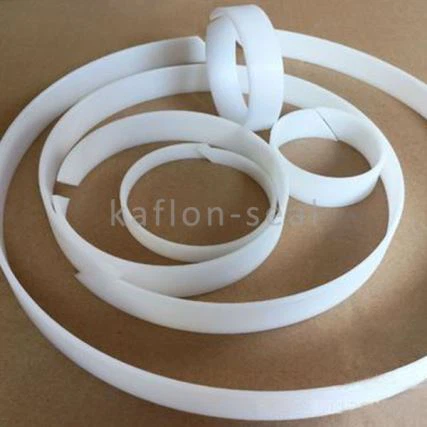
2. PTFE Filled Polymer Step Seal Ring
PTFE filled polymer step seal rings are known for their low friction and high wear resistance. However, they can be sensitive to contaminants in the hydraulic fluid. Proper filtration is essential to prevent particles from scratching the seal surface and reducing its performance.
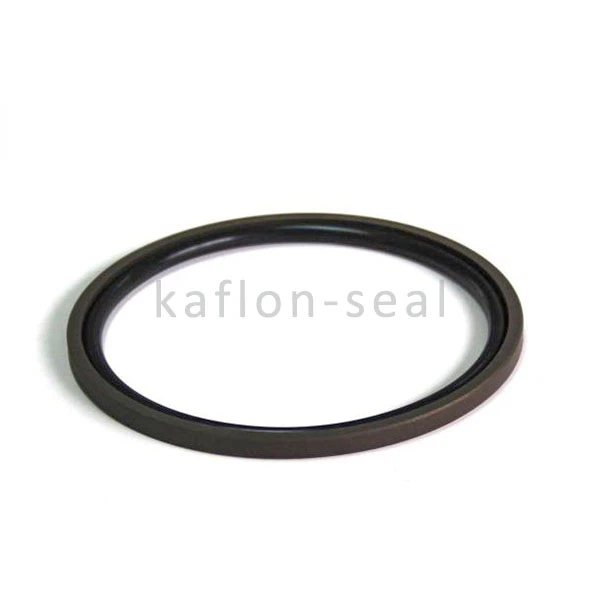
3. Double Acting Glyd Seal
Double acting Glyd seals are used in hydraulic cylinders to provide a seal in both directions of piston movement. These seals are designed to withstand high pressures and high-speed applications. To ensure the longevity and performance of double acting Glyd seals, the hydraulic system should have an effective filtration system to remove contaminants that could cause wear or damage to the seals.
Choosing the Right Filtration System
When choosing a filtration system for a hydraulic system using hydraulic seals, the following factors should be considered:
1. System Requirements
The filtration system should be selected based on the specific requirements of the hydraulic system, including the operating pressure, flow rate, temperature, and the type of contaminants that are likely to be present in the fluid.
2. Compatibility
The filter materials and construction should be compatible with the hydraulic fluid and the other components in the system. Incompatible materials can cause chemical reactions or degradation, leading to filter failure and contamination of the fluid.
3. Maintenance
The filtration system should be easy to maintain, with accessible filter elements that can be replaced quickly and easily. Regular maintenance, including filter replacement and fluid analysis, is essential to ensure the continued effectiveness of the filtration system.

Conclusion
Proper filtration is essential for hydraulic systems using hydraulic seals. By removing contaminants from the hydraulic fluid, filtration helps to protect the seals and other components from damage, ensuring optimal performance and longevity. As a hydraulic seals supplier, we recommend that our customers pay close attention to the filtration requirements of their hydraulic systems and choose the right filtration system to meet these requirements.
If you are in the market for high-quality hydraulic seals or need advice on filtration requirements for your hydraulic system, we invite you to contact us for a consultation. Our team of experts is ready to assist you in selecting the best products and solutions for your specific needs.
References
- ISO 4406: Hydraulic fluid power - Fluids - Method for coding the level of contamination by solid particles
- Hydraulic Seals Handbook, various industry publications