


 Popular Blog Posts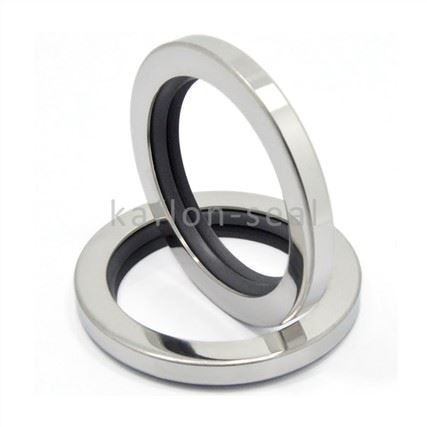


 Blog
BlogAs a supplier of rotary shaft seals, I've witnessed firsthand the pivotal role these components play in countless industrial applications. Rotary shaft seals are essential for preventing the leakage of fluids, such as oil and grease, while also keeping contaminants out of machinery. However, their performance can be influenced by a multitude of factors. In this blog post, I'll delve into the key elements that can affect the performance of rotary shaft seals, offering insights that can help you make informed decisions when selecting and using these critical components.
1. Material Selection
The choice of material for a rotary shaft seal is one of the most crucial factors that can impact its performance. Different materials possess unique properties that make them suitable for specific applications.
Elastomers
Elastomers are a popular choice for rotary shaft seals due to their excellent flexibility and sealing capabilities. Common elastomers used in seal manufacturing include nitrile rubber (NBR), fluorocarbon rubber (FKM), and silicone rubber (VMQ).
- Nitrile Rubber (NBR): NBR is known for its good resistance to oil, fuel, and water. It has a wide temperature range, typically from -40°C to 120°C, making it suitable for a variety of general-purpose applications. However, it may not be suitable for applications involving aggressive chemicals or high temperatures.
- Fluorocarbon Rubber (FKM): FKM offers superior resistance to high temperatures, chemicals, and oils. It can withstand temperatures ranging from -20°C to 250°C, making it ideal for demanding applications in the automotive, aerospace, and chemical industries. However, FKM is more expensive than NBR and may not be necessary for less demanding applications.
- Silicone Rubber (VMQ): VMQ has excellent flexibility and resistance to high temperatures and weathering. It can operate at temperatures ranging from -60°C to 200°C, making it suitable for applications in the food and beverage, pharmaceutical, and electrical industries. However, VMQ has poor resistance to oils and fuels, so it may not be suitable for applications involving these substances.
PTFE (Polytetrafluoroethylene)
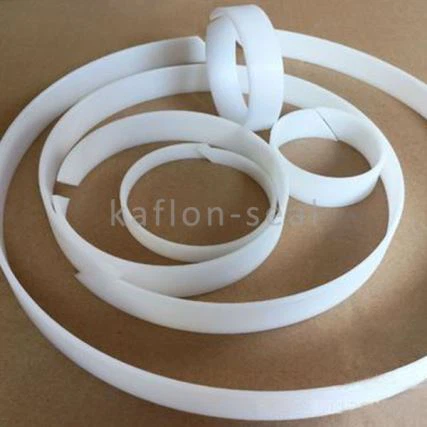
PTFE is a high-performance material that offers excellent chemical resistance, low friction, and high temperature resistance. It can operate at temperatures ranging from -200°C to 260°C, making it suitable for extreme environments. PTFE seals are commonly used in applications involving aggressive chemicals, high pressures, and high speeds. For example, our Vacuum Operation PTFE Stainless Oil Seal and Rotary PTFE Lips Stainless Oil Seal are designed to provide reliable sealing in challenging conditions.
2. Operating Conditions
The operating conditions of a rotary shaft seal can have a significant impact on its performance. Factors such as temperature, pressure, speed, and environment can all affect the seal's ability to function effectively.
Temperature
Temperature is one of the most critical factors that can affect the performance of a rotary shaft seal. High temperatures can cause the seal material to degrade, leading to reduced sealing performance and increased wear. On the other hand, low temperatures can make the seal material brittle, which can also lead to sealing failures.
It's essential to select a seal material that can withstand the operating temperature range of your application. For example, if your application involves high temperatures, you may want to consider using a FKM or PTFE seal. If your application involves low temperatures, you may want to consider using a NBR or VMQ seal.
Pressure
Pressure is another important factor that can affect the performance of a rotary shaft seal. High pressures can cause the seal to deform, leading to leakage. It's important to select a seal that is designed to withstand the operating pressure of your application.
In addition to the operating pressure, it's also important to consider the pressure fluctuations that may occur during operation. Pressure fluctuations can cause the seal to experience additional stress, which can lead to premature failure.
Speed
The speed at which the shaft rotates can also affect the performance of a rotary shaft seal. High speeds can cause the seal to generate heat, which can lead to increased wear and reduced sealing performance. It's important to select a seal that is designed to operate at the speed of your application.
In addition to the operating speed, it's also important to consider the acceleration and deceleration rates of the shaft. Rapid acceleration and deceleration can cause the seal to experience additional stress, which can lead to premature failure.
Environment
The environment in which the rotary shaft seal operates can also have a significant impact on its performance. Factors such as humidity, dust, and chemicals can all affect the seal's ability to function effectively.
For example, if your application involves exposure to dust or dirt, you may want to consider using a seal with a dust lip or a labyrinth seal to prevent contaminants from entering the machinery. If your application involves exposure to chemicals, you may want to consider using a seal material that is resistant to those chemicals.
3. Shaft and Housing Conditions
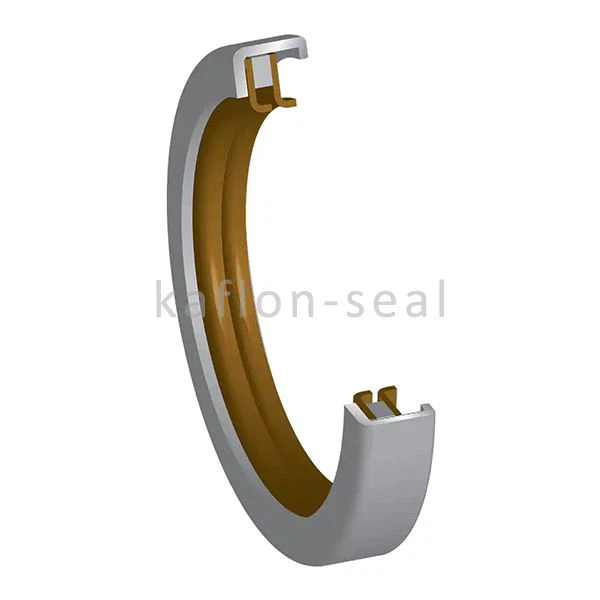
The condition of the shaft and housing can also affect the performance of a rotary shaft seal. Factors such as surface finish, hardness, and concentricity can all impact the seal's ability to form a tight seal.
Surface Finish
The surface finish of the shaft and housing is critical for ensuring a proper seal. A rough surface can cause the seal to wear prematurely, while a smooth surface can help to reduce friction and wear. It's important to ensure that the surface finish of the shaft and housing meets the requirements of the seal manufacturer.
Hardness
The hardness of the shaft and housing can also affect the performance of a rotary shaft seal. A shaft that is too soft can cause the seal to wear prematurely, while a shaft that is too hard can cause the seal to deform. It's important to ensure that the hardness of the shaft and housing is within the recommended range of the seal manufacturer.
Concentricity
The concentricity of the shaft and housing is also important for ensuring a proper seal. If the shaft and housing are not concentric, the seal may experience uneven wear, which can lead to leakage. It's important to ensure that the shaft and housing are properly aligned and that the runout is within the recommended range of the seal manufacturer.

4. Installation and Maintenance
Proper installation and maintenance are essential for ensuring the optimal performance of a rotary shaft seal. Incorrect installation can cause the seal to be damaged or misaligned, leading to premature failure. Regular maintenance can help to identify and address any issues before they become serious problems.
Installation
When installing a rotary shaft seal, it's important to follow the manufacturer's instructions carefully. This includes using the correct installation tools, applying the appropriate amount of force, and ensuring that the seal is properly seated in the housing.
It's also important to clean the shaft and housing before installing the seal to remove any dirt, debris, or oil. This can help to prevent contaminants from entering the machinery and causing damage to the seal.
Maintenance
Regular maintenance is essential for ensuring the long-term performance of a rotary shaft seal. This includes inspecting the seal for signs of wear, damage, or leakage, and replacing the seal if necessary.
It's also important to keep the machinery clean and lubricated to prevent contaminants from entering the system and causing damage to the seal. In addition, it's important to monitor the operating conditions of the machinery, such as temperature, pressure, and speed, to ensure that they are within the recommended range of the seal manufacturer.
Conclusion
In conclusion, the performance of a rotary shaft seal can be influenced by a multitude of factors, including material selection, operating conditions, shaft and housing conditions, and installation and maintenance. By understanding these factors and taking the necessary steps to address them, you can ensure the optimal performance of your rotary shaft seals and minimize the risk of downtime and costly repairs.
If you're in the market for high-quality rotary shaft seals, we invite you to explore our product range, including our Double Lips PTFE Oil Seal. Our seals are designed to provide reliable sealing in a variety of applications, and we offer a range of customization options to meet your specific needs.
If you have any questions or would like to discuss your requirements further, please don't hesitate to contact us. We're here to help you find the right sealing solution for your application.
References
- "Sealing Technology Handbook" by John P. Blair
- "Rotary Shaft Seals: Design, Selection, and Application" by Robert J. Bush