


 Popular Blog Posts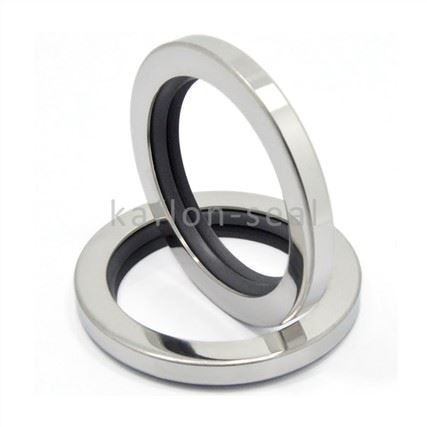



 Blog
BlogRotary Glyd Rings are essential components in various industrial applications, particularly in hydraulic and pneumatic systems. As a supplier of Rotary Glyd Rings, I have witnessed firsthand the importance of their wear - resistance properties. In this blog, I will delve into the wear - resistance characteristics of Rotary Glyd Rings, exploring the factors that influence them and their significance in real - world applications.
Understanding Rotary Glyd Rings
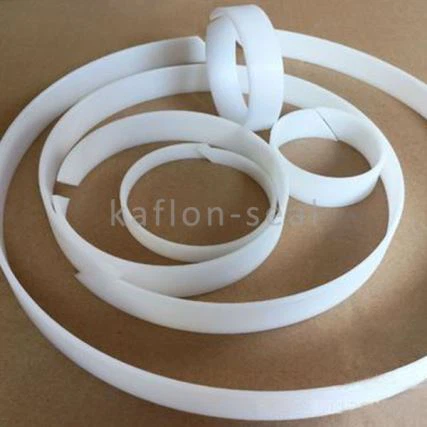
Rotary Glyd Rings are a type of sealing element designed to operate under rotating conditions. They are typically used in hydraulic cylinders, pumps, and other machinery where there is a need to prevent fluid leakage while allowing for smooth rotational movement. These rings are usually made from high - performance materials such as PTFE (Polytetrafluoroethylene) due to its excellent chemical resistance, low friction coefficient, and good wear - resistance properties.
Wear - Resistance Mechanisms of Rotary Glyd Rings
The wear - resistance of Rotary Glyd Rings is based on several key mechanisms. Firstly, the material itself plays a crucial role. PTFE, for example, has a unique molecular structure that gives it a very low coefficient of friction. This means that when the ring is in contact with the mating surface (such as a shaft), there is less frictional force generated. Reduced friction leads to less wear on both the ring and the mating surface.
Secondly, the surface finish of the Rotary Glyd Ring is carefully engineered. A smooth surface finish helps to distribute the contact pressure evenly across the sealing interface. This prevents localized high - pressure areas that could cause premature wear. Additionally, a well - finished surface can reduce the adhesion between the ring and the mating surface, further minimizing wear.
Another important factor is the design of the Rotary Glyd Ring. The shape and geometry of the ring are optimized to ensure proper sealing and load distribution. For instance, some Rotary Glyd Rings have a specific lip design that can adapt to the movement of the shaft, maintaining a consistent seal while minimizing wear.
Factors Influencing Wear - Resistance
Operating Conditions
The operating conditions have a significant impact on the wear - resistance of Rotary Glyd Rings. Temperature is one of the most critical factors. High temperatures can cause the material of the ring to expand, which may lead to increased friction and wear. On the other hand, low temperatures can make the material more brittle, reducing its ability to withstand wear.
The speed of rotation also affects wear. Higher rotational speeds generate more heat and frictional forces, which can accelerate wear. In addition, the pressure in the system plays a role. High - pressure applications require the ring to withstand greater forces, increasing the potential for wear.
Material Compatibility
The compatibility between the Rotary Glyd Ring material and the fluid in the system is essential. Some fluids can react with the ring material, causing swelling, softening, or degradation. This can significantly reduce the wear - resistance of the ring. For example, certain chemicals may attack the PTFE matrix, weakening its structure and making it more prone to wear.
Mating Surface Quality
The quality of the mating surface, such as the shaft, is another important factor. A rough or damaged shaft surface can cause excessive wear on the Rotary Glyd Ring. Imperfections on the shaft can create stress concentrations on the ring, leading to premature failure. Therefore, it is crucial to ensure that the mating surface has the appropriate surface finish and hardness.


Significance of Wear - Resistance in Applications
Hydraulic Systems
In hydraulic systems, Rotary Glyd Rings are used to seal the fluid within the cylinders. Good wear - resistance is essential to maintain the integrity of the seal over time. A worn - out ring can lead to fluid leakage, which not only reduces the efficiency of the system but also can cause damage to other components. For example, leaked hydraulic fluid can contaminate the environment and cause corrosion of nearby parts.
Pneumatic Systems
In pneumatic systems, Rotary Glyd Rings prevent air leakage. Wear - resistant rings ensure that the system can maintain the required pressure, which is crucial for the proper operation of pneumatic actuators. A ring with poor wear - resistance may result in pressure loss, leading to reduced performance of the pneumatic equipment.
Industrial Machinery
In various industrial machinery, such as pumps and compressors, Rotary Glyd Rings are used to seal the rotating shafts. Their wear - resistance properties contribute to the long - term reliability of the machinery. By reducing wear, the frequency of maintenance and replacement can be minimized, saving both time and cost for the end - users.
Our Products and Their Wear - Resistance
As a supplier of Rotary Glyd Rings, we offer a wide range of products with excellent wear - resistance properties. Our PTFE Stainless Rotary Shaft Seal is designed for applications where high - performance sealing and long - term wear resistance are required. The combination of PTFE and stainless steel provides a durable and reliable solution.
Our Rotating Motions PTFE Shaft Seals are specifically engineered for applications with high - speed rotation. These seals are made from high - quality PTFE materials and are designed to withstand the high frictional forces generated during rotation, ensuring excellent wear - resistance.
For screw compressor applications, our Screw Comprosser PTFE Oil Seal offers superior wear - resistance. The unique design and material selection of these seals make them suitable for the demanding conditions in screw compressors, where they need to seal the oil and prevent leakage while enduring continuous operation.
Contact Us for Procurement
If you are in need of high - quality Rotary Glyd Rings with excellent wear - resistance properties, we are here to assist you. Our team of experts can provide you with detailed product information and technical support. Whether you have a specific application in mind or need help in selecting the right product, we are committed to meeting your requirements. Contact us today to start the procurement process and experience the benefits of our top - notch Rotary Glyd Rings.
References
- "Handbook of Sealing Technology" by John H. Bickford
- "Materials Science and Engineering: An Introduction" by William D. Callister Jr. and David G. Rethwisch
- Industry research reports on hydraulic and pneumatic sealing components