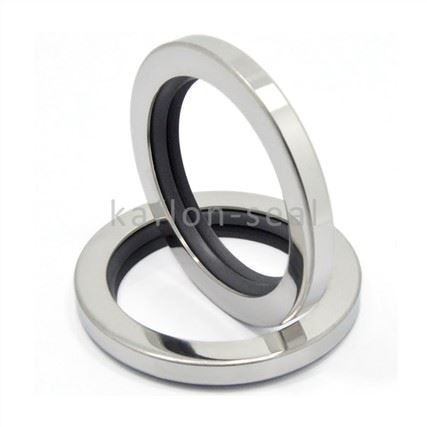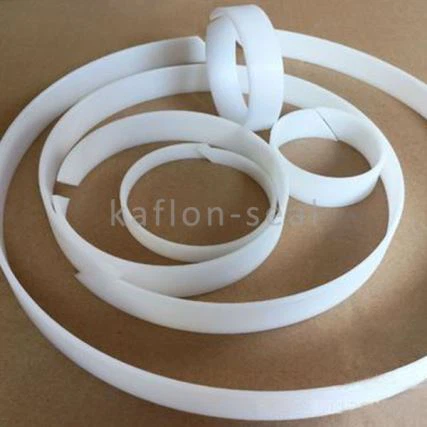

As a trusted supplier of hydraulic wiper seals, I've witnessed firsthand the crucial role these components play in the efficient operation of hydraulic systems. Hydraulic wiper seals are designed to prevent contaminants such as dirt, dust, and moisture from entering the system, thereby protecting the internal components and ensuring smooth and reliable performance. However, like all mechanical parts, they are subject to wear over time, and understanding the wear rates of different types of hydraulic wiper seals is essential for optimizing system performance and minimizing downtime.
Factors Affecting Wear Rates
Before delving into the wear rates of specific types of hydraulic wiper seals, it's important to understand the factors that can influence wear. These include:
Operating Conditions
The environment in which the hydraulic system operates can have a significant impact on the wear rate of the wiper seals. For example, in dusty or dirty environments, the seals are more likely to come into contact with abrasive particles, which can accelerate wear. Similarly, high temperatures can cause the seal material to degrade more quickly, while low temperatures can make the material more brittle and prone to cracking.
Fluid Compatibility
The type of hydraulic fluid used in the system must be compatible with the seal material. Incompatible fluids can cause the seal to swell, shrink, or become brittle, leading to premature wear and failure. It's important to select a seal material that is specifically designed to work with the type of fluid used in the system.
Pressure and Speed
The pressure and speed at which the hydraulic system operates can also affect the wear rate of the wiper seals. Higher pressures and speeds can increase the friction between the seal and the rod, leading to more rapid wear. Additionally, high pressures can cause the seal to deform, which can also contribute to wear.
Surface Finish
The surface finish of the rod can have a significant impact on the wear rate of the wiper seal. A rough or uneven surface can cause the seal to wear more quickly, while a smooth surface can reduce friction and extend the life of the seal.
Wear Rates of Different Types of Hydraulic Wiper Seals
Now that we've discussed the factors that can affect wear rates, let's take a closer look at the wear rates of different types of hydraulic wiper seals.
Polyurethane (PU) Wiper Seals
Polyurethane is a popular material for hydraulic wiper seals due to its excellent wear resistance, high strength, and good chemical compatibility. PU wiper seals are able to withstand high pressures and speeds, making them suitable for a wide range of applications. The wear rate of PU wiper seals is generally low, especially when compared to other materials such as rubber. However, the wear rate can still be affected by factors such as operating conditions, fluid compatibility, and surface finish.
Rubber Wiper Seals
Rubber is another commonly used material for hydraulic wiper seals. Rubber seals are known for their flexibility, good sealing properties, and low cost. However, they are generally less wear-resistant than PU seals and are more prone to swelling and degradation when exposed to certain fluids. The wear rate of rubber wiper seals can vary depending on the type of rubber used, as well as the operating conditions. In general, rubber seals have a higher wear rate than PU seals, especially in high-pressure or high-speed applications.
PTFE Wiper Seals
PTFE (polytetrafluoroethylene) is a synthetic fluoropolymer that is known for its excellent chemical resistance, low friction coefficient, and high temperature resistance. PTFE wiper seals are able to operate in a wide range of temperatures and pressures, making them suitable for demanding applications. The wear rate of PTFE wiper seals is generally low, especially when compared to rubber seals. However, PTFE seals can be more expensive than other types of seals, and they may require special installation procedures.
Comparison of Wear Rates
To illustrate the differences in wear rates between different types of hydraulic wiper seals, let's consider a hypothetical scenario where a hydraulic system is operating under the following conditions:
- Operating pressure: 2000 psi
- Operating speed: 10 inches per second
- Fluid type: Mineral oil
- Temperature range: -20°F to 150°F
Based on these conditions, we can estimate the wear rates of different types of wiper seals as follows:
- PU Wiper Seals: The wear rate of PU wiper seals in this scenario is estimated to be approximately 0.001 inches per 100,000 cycles.
- Rubber Wiper Seals: The wear rate of rubber wiper seals in this scenario is estimated to be approximately 0.003 inches per 100,000 cycles.
- PTFE Wiper Seals: The wear rate of PTFE wiper seals in this scenario is estimated to be approximately 0.0005 inches per 100,000 cycles.
As you can see, the wear rate of PTFE wiper seals is the lowest, followed by PU wiper seals, and then rubber wiper seals. However, it's important to note that these are just estimates, and the actual wear rate of a particular seal will depend on a variety of factors, including the specific operating conditions, fluid compatibility, and surface finish.
Importance of Selecting the Right Wiper Seal
Selecting the right hydraulic wiper seal is crucial for ensuring the reliable operation of a hydraulic system. A seal that is not properly matched to the operating conditions can wear out quickly, leading to leaks, contamination, and reduced system performance. On the other hand, a seal that is designed to withstand the specific conditions of the application can provide long-lasting performance and help to minimize downtime and maintenance costs.
When selecting a hydraulic wiper seal, it's important to consider the following factors:
- Operating Conditions: As discussed earlier, the operating conditions of the hydraulic system can have a significant impact on the wear rate of the wiper seal. It's important to select a seal that is designed to operate in the specific temperature, pressure, and speed range of the system.
- Fluid Compatibility: The type of hydraulic fluid used in the system must be compatible with the seal material. It's important to select a seal material that is specifically designed to work with the type of fluid used in the system.
- Seal Design: The design of the wiper seal can also affect its performance. There are a variety of different seal designs available, each with its own advantages and disadvantages. It's important to select a seal design that is appropriate for the specific application.
- Cost: While cost is an important consideration, it's not the only factor to consider when selecting a hydraulic wiper seal. A higher-quality seal may cost more upfront, but it can provide longer-lasting performance and help to minimize downtime and maintenance costs in the long run.
Our Product Offerings
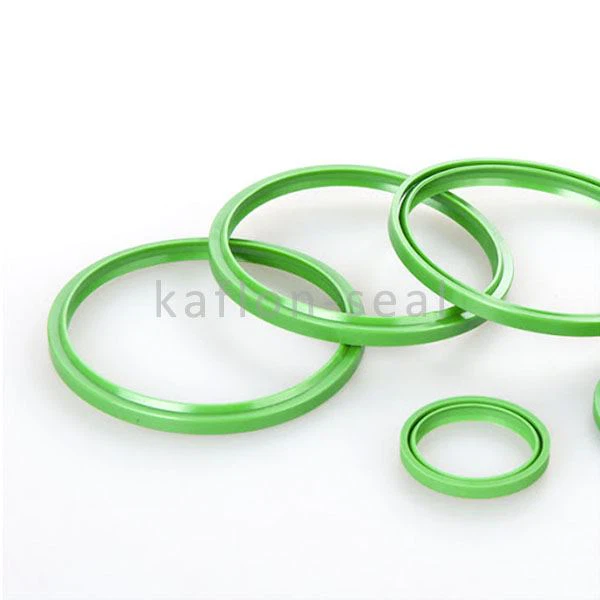
As a leading supplier of hydraulic wiper seals, we offer a wide range of products to meet the needs of our customers. Our product line includes Piston Seal With PU Green, Hydraulic Sealing PTFE Guide Ring, and Rubber Rod T Seal, among others.
Our seals are made from high-quality materials and are designed to provide long-lasting performance in a variety of applications. We work closely with our customers to understand their specific needs and to recommend the best seal solution for their application. Whether you need a standard seal or a custom-designed solution, we have the expertise and resources to meet your requirements.

Contact Us for Procurement
If you're in the market for hydraulic wiper seals, we invite you to contact us to discuss your procurement needs. Our team of experts is available to answer your questions, provide technical support, and help you select the right seal for your application. We offer competitive pricing, fast delivery, and excellent customer service, and we're committed to providing our customers with the highest-quality products and solutions.
Don't let worn-out wiper seals compromise the performance of your hydraulic system. Contact us today to learn more about our products and to start the procurement process.
References
- "Hydraulic Seals Handbook" by John H. Birkle
- "Sealing Technology" by Peter J. Martini
- "Fluid Power Technology" by David Crolla