


 Popular Blog Posts



 Blog
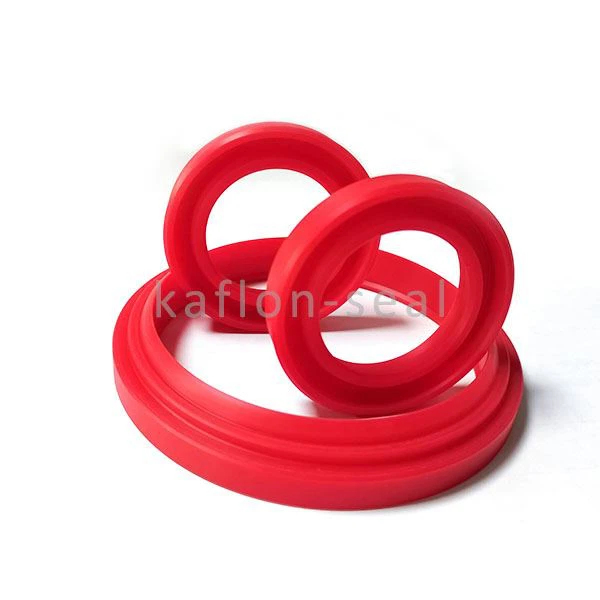
BlogHey there! As a supplier of Polyurethanes Seal, I often get asked about the typical thicknesses of these seals. So, I thought I'd write this blog to share some insights on this topic.
First off, let's talk a bit about what polyurethanes seals are. Polyurethane is a versatile material known for its excellent properties. You can learn more about it on this page: Polyurethane. It's used in a wide range of applications, from automotive to industrial machinery, because of its durability, flexibility, and resistance to various elements.
The thickness of polyurethanes seals can vary greatly depending on the specific application they're designed for. For instance, in some light - duty applications like sealing small electronic enclosures, the thickness might be relatively thin. Usually, for these types of applications, the thickness can range from 0.5 mm to 2 mm. These thin seals are sufficient to prevent dust, moisture, and small particles from entering the enclosure. They're easy to install and don't take up much space, which is ideal for compact electronic devices.
On the other hand, when it comes to heavy - duty industrial applications, the thickness requirements are quite different. In hydraulic systems, for example, where there are high pressures and forces at play, the seals need to be much thicker. A typical thickness for hydraulic seals made of polyurethane can be anywhere from 3 mm to 10 mm or even more in some extreme cases. These thick seals can withstand the high pressures and ensure a reliable seal to prevent fluid leakage.
Another factor that affects the thickness of polyurethanes seals is the type of polyurethane used. There are different types of polyurethanes, such as CPU (Cast Polyurethane) and MPU (Milled Polyurethane). Each type has its own set of properties that can influence the required thickness.
Let's take a look at High Wear Resistance CPU Seal. CPU seals are known for their high wear resistance, which makes them suitable for applications where there's a lot of friction. In applications like conveyor systems or mining equipment, where the seals are constantly in contact with moving parts, a thicker CPU seal might be necessary. The thickness can range from 4 mm to 12 mm to ensure long - term performance and durability.
MPU seals, on the other hand, have their own unique properties. Gasoline Resistance MPU Seal is a great example. MPU seals are often used in applications where there's contact with fuels and chemicals. The thickness of MPU seals for fuel - related applications can vary from 2 mm to 8 mm. The thickness is determined by the level of chemical exposure and the pressure within the system.
It's also important to consider the shape of the seal when determining the thickness. For O - rings, which are one of the most common types of seals, the thickness is usually uniform around the circumference. However, for custom - shaped seals, the thickness might vary at different points to meet the specific requirements of the application. For example, in a seal that needs to fit into a complex groove, the thickness might be adjusted to ensure a proper fit and a tight seal.
In addition to the application and the type of polyurethane, the manufacturing process can also have an impact on the thickness. Some manufacturing processes allow for more precise control of the thickness, while others might have some limitations. For example, injection molding can produce seals with very consistent thicknesses, while some extrusion processes might have a slightly wider tolerance range.
When choosing the right thickness for a polyurethanes seal, it's crucial to consider all these factors. A seal that's too thin might not provide an adequate seal, leading to leakage, while a seal that's too thick can be difficult to install and might cause unnecessary stress on the surrounding components.
We at our company have years of experience in manufacturing polyurethanes seals. We understand the importance of getting the thickness right for each application. Whether you need a thin seal for an electronic device or a thick seal for a heavy - duty industrial machine, we can provide you with the perfect solution.
If you're in the market for polyurethanes seals and want to discuss your specific requirements, we'd love to hear from you. Our team of experts can help you choose the right type of polyurethane and the appropriate thickness for your application. Don't hesitate to reach out to us for a consultation. We're here to make sure you get the best - performing seals for your needs.
References

- "Polyurethane Elastomers: Chemistry, Technology, and Applications" by K. C. Frisch and S. L. Reegen
- "Sealing Technology Handbook" by W. B. Rippel