


 Popular Blog Posts


 Blog
BlogWhen it comes to hydraulic systems, wear rings play a crucial role in ensuring smooth operation, reducing friction, and preventing metal - to - metal contact between moving parts. As a hydraulic wear rings supplier, I've witnessed firsthand the importance of choosing the right materials for these components. Different materials offer unique advantages, but they also come with their own set of trade - offs. In this blog post, I'll explore the key trade - offs associated with selecting various materials for hydraulic wear rings.
1. Bronze
Bronze is one of the most traditional materials used for hydraulic wear rings. It has been a staple in the industry for many years due to its excellent wear resistance and load - carrying capacity.
Advantages
- High Wear Resistance: Bronze has a relatively hard surface, which allows it to withstand the abrasive forces generated in hydraulic systems. This means that bronze wear rings can have a long service life, reducing the frequency of replacements.
- Good Load - Carrying Capacity: In hydraulic applications, wear rings often need to support significant radial loads. Bronze is capable of handling these loads effectively, ensuring the proper alignment and functioning of the moving parts.
- Self - Lubricating Properties: Some types of bronze contain lead or other elements that provide self - lubricating characteristics. This can help reduce friction and heat generation, which is beneficial for the overall efficiency of the hydraulic system.
Trade - offs
- Cost: Bronze is generally more expensive than some other materials used for wear rings. The cost of raw materials and the manufacturing processes involved in producing bronze wear rings can drive up the price, making it a less cost - effective option for some applications.
- Corrosion Susceptibility: Although bronze has some corrosion resistance, it can still be affected by certain chemicals and environments. In applications where the hydraulic system is exposed to corrosive substances, additional protective coatings may be required, adding to the overall cost and complexity.
- Weight: Bronze is a relatively heavy material. In applications where weight is a concern, such as in aerospace or mobile hydraulic equipment, the use of bronze wear rings may not be ideal as it can increase the overall weight of the system.
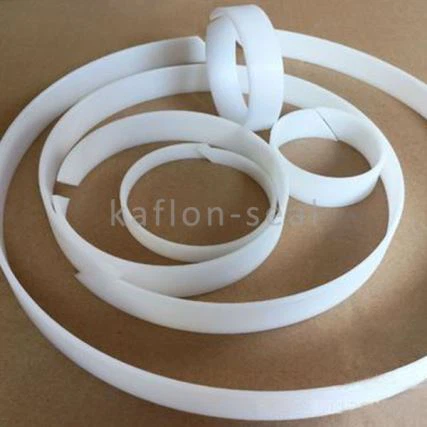
2. PTFE (Polytetrafluoroethylene)
PTFE is a synthetic fluoropolymer known for its low friction coefficient and chemical resistance. It has become a popular choice for hydraulic wear rings in many applications.
Advantages
- Low Friction: The extremely low friction coefficient of PTFE reduces the amount of energy required to move the parts in the hydraulic system. This can lead to improved efficiency, lower operating temperatures, and reduced wear on the mating surfaces.
- Chemical Resistance: PTFE is highly resistant to a wide range of chemicals, including acids, bases, and solvents. This makes it suitable for use in hydraulic systems that handle corrosive fluids or operate in harsh chemical environments.
- Flexibility: PTFE can be easily molded into different shapes and sizes, allowing for the production of custom - designed wear rings. This flexibility makes it possible to meet the specific requirements of various hydraulic applications.
Trade - offs
- Low Wear Resistance: While PTFE has excellent low - friction properties, it has relatively poor wear resistance compared to materials like bronze. In high - load or high - speed applications, PTFE wear rings may wear out more quickly, requiring more frequent replacements.
- Low Compressive Strength: PTFE has a relatively low compressive strength, which means it may not be suitable for applications where the wear rings need to withstand high radial loads. In such cases, PTFE may deform or extrude under pressure, leading to a loss of performance.
- Thermal Expansion: PTFE has a high coefficient of thermal expansion. This can cause problems in applications where the temperature of the hydraulic system varies significantly. The expansion and contraction of the PTFE wear rings can affect the fit and performance of the system. For more information on PTFE - based hydraulic seals, you can visit PTFE With Polymer Hydraulic Seal.
3. Polyurethane
Polyurethane is a versatile polymer that offers a good balance of properties for hydraulic wear rings.

Advantages
- Good Wear Resistance: Polyurethane has excellent wear resistance, especially in applications where there is a combination of sliding and abrasive forces. It can withstand repeated contact with the mating surfaces without significant wear, resulting in a longer service life.
- High Elasticity: Polyurethane is highly elastic, which allows it to conform to the shape of the mating parts. This can help improve the sealing performance and reduce the risk of leakage in the hydraulic system.
- Cost - Effectiveness: Polyurethane is generally more cost - effective than some other materials, such as bronze. The raw materials are relatively inexpensive, and the manufacturing processes for producing polyurethane wear rings are often less complex, making it an attractive option for a wide range of applications.
Trade - offs
- Temperature Limitations: Polyurethane has a limited temperature range in which it can operate effectively. At high temperatures, polyurethane can start to degrade, losing its mechanical properties and potentially causing failure of the wear rings. In applications where the hydraulic system operates at high temperatures, other materials may be more suitable.
- Chemical Compatibility: While polyurethane has good chemical resistance to many substances, it can be affected by certain oils, solvents, and chemicals. Careful consideration must be given to the chemical compatibility of the polyurethane wear rings with the fluids used in the hydraulic system to avoid premature failure.
- Abrasion in Some Conditions: Although polyurethane has good wear resistance, in some extreme abrasive conditions, it may not perform as well as materials like bronze. In applications where the hydraulic system is exposed to large amounts of abrasive particles, additional measures may be needed to protect the polyurethane wear rings. For more details on polyurethane seals, you can refer to Polyurethane Piston Seal For Static Application.
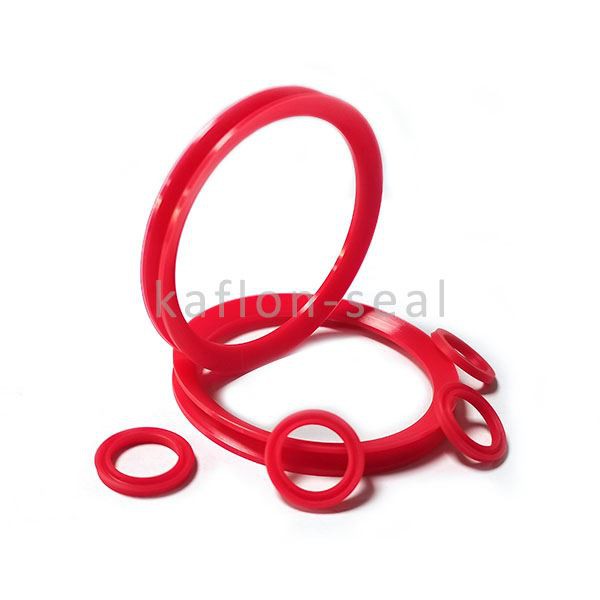
4. Red PU Seal (Red Polyurethane Seal)
Red PU seals are a specific type of polyurethane seal with unique properties.
Advantages
- Hydrolysis Resistance: Red PU seals often have improved hydrolysis resistance compared to standard polyurethane seals. Hydrolysis is the chemical reaction of a material with water, which can cause degradation over time. The enhanced hydrolysis resistance of red PU seals makes them suitable for applications where the hydraulic system is exposed to moisture or water - based fluids. You can learn more about the hydrolysis resistance of red PU seals at Red PU Seal Hydrolysis Resistance.
- Good Sealing Performance: Similar to other polyurethane seals, red PU seals have excellent elasticity, which allows them to provide a tight seal against the mating surfaces. This helps prevent leakage of hydraulic fluids and ensures the proper functioning of the system.
- Customizability: Red PU seals can be formulated and manufactured to meet specific requirements, such as different hardness levels, shapes, and sizes. This makes them a flexible option for various hydraulic applications.
Trade - offs
- Cost - Performance Balance: While red PU seals offer improved hydrolysis resistance, they may be more expensive than standard polyurethane seals. The cost - performance balance needs to be carefully evaluated based on the specific requirements of the application. If the hydrolysis resistance is not a critical factor, standard polyurethane seals may be a more cost - effective choice.
- Performance in Extreme Conditions: In extremely high - temperature or high - pressure applications, the performance of red PU seals may be limited. Similar to other polyurethane materials, they have temperature and pressure limitations, and in such extreme conditions, alternative materials may need to be considered.
Conclusion
Choosing the right material for hydraulic wear rings involves a careful consideration of the trade - offs associated with each option. As a hydraulic wear rings supplier, I understand that every application has its own unique requirements, and there is no one - size - fits - all solution. By understanding the advantages and disadvantages of different materials, customers can make informed decisions that balance performance, cost, and other factors.
If you are in the process of selecting hydraulic wear rings for your application, I encourage you to contact us for more information and guidance. Our team of experts can help you evaluate the different materials and choose the most suitable option for your specific needs. We look forward to discussing your requirements and working with you to provide high - quality hydraulic wear rings that meet your expectations.
References
- "Handbook of Hydraulic Seals" by John Neale
- "Materials Science and Engineering: An Introduction" by William D. Callister Jr. and David G. Rethwisch
- Industry research reports on hydraulic components and materials.