


 Popular Blog Posts



 Blog
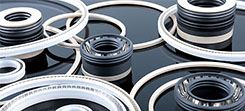
BlogHydraulic piston seals play a crucial role in the efficient operation of hydraulic systems. These seals prevent fluid leakage, maintain pressure, and ensure the smooth movement of pistons. However, they are prone to various failures that can disrupt the performance of hydraulic equipment. As a leading hydraulic piston seal supplier, I have encountered numerous cases of seal failures and have developed effective solutions to address them. In this blog, I will discuss the common causes of hydraulic piston seal failures and the corresponding solutions.
Common Causes of Hydraulic Piston Seal Failures
1. Wear and Tear
One of the most common causes of hydraulic piston seal failures is wear and tear. Over time, the constant movement of the piston against the seal can cause abrasion, leading to a reduction in the seal's effectiveness. This is especially true in high - pressure and high - speed hydraulic systems, where the forces acting on the seal are more significant.
2. Contamination
Contamination is another major culprit. Particles such as dirt, dust, and metal shavings can enter the hydraulic system and damage the seals. These contaminants can scratch the seal surface, causing leaks and reducing the seal's ability to maintain pressure.
3. Chemical Attack
Hydraulic fluids can sometimes contain chemicals that are incompatible with the seal material. This can lead to chemical attack, which causes the seal to swell, shrink, or become brittle. As a result, the seal loses its elasticity and sealing properties.
4. Improper Installation
Incorrect installation of hydraulic piston seals can also lead to failures. If the seal is not installed correctly, it may not fit properly, causing uneven stress distribution and premature wear. For example, if the seal is stretched too much during installation, it may lose its original shape and sealing performance.
5. Temperature Extremes
Hydraulic systems can operate in a wide range of temperatures. Extreme heat or cold can affect the physical properties of the seal material. High temperatures can cause the seal to soften and lose its shape, while low temperatures can make the seal brittle and prone to cracking.
Solutions to Hydraulic Piston Seal Failures
1. Selecting the Right Seal Material
The choice of seal material is critical in preventing failures. Different materials have different properties, such as resistance to wear, chemicals, and temperature. For example, polyurethane (PU) seals are known for their excellent wear resistance and are suitable for high - pressure applications. Our PU Red Piston&Rod Seal is made of high - quality PU material, which can withstand high - pressure and high - speed operations.
For applications where chemical resistance is required, materials like Viton can be a good choice. Viton seals can resist a wide range of chemicals and are suitable for use in hydraulic systems that use aggressive fluids.
2. Implementing Effective Filtration Systems
To prevent contamination, it is essential to have an effective filtration system in the hydraulic system. A good filtration system can remove particles and contaminants from the hydraulic fluid before they reach the seals. Regularly replacing the filters and monitoring the fluid quality can significantly extend the life of the seals.
3. Proper Installation Techniques
Proper installation is key to the long - term performance of hydraulic piston seals. Before installation, make sure the sealing surface is clean and free of any scratches or damage. Use the correct installation tools and follow the manufacturer's instructions carefully. For example, when installing a Piston Sealing U Ring, ensure that it is installed in the correct orientation and with the right amount of pre - load.
4. Thermal Management
To deal with temperature extremes, proper thermal management is necessary. In high - temperature applications, use seals with high - temperature resistance. Additionally, consider installing cooling systems to keep the hydraulic fluid and seals at an optimal temperature. In cold environments, use seals that are designed to remain flexible at low temperatures. Our seals are tested under various temperature conditions to ensure their performance in different operating environments.
5. Regular Maintenance and Inspection
Regular maintenance and inspection of the hydraulic system can help detect seal failures early. Check the seals for signs of wear, damage, or leakage during routine maintenance. Replace the seals at the first sign of trouble to prevent further damage to the hydraulic system. Using a Reciprocating Seal Phenolic Guide Ring can also help guide the piston and reduce the stress on the seals, extending their service life.


Conclusion
Hydraulic piston seal failures can have a significant impact on the performance and reliability of hydraulic systems. By understanding the common causes of failures and implementing the appropriate solutions, we can effectively prevent these issues. As a hydraulic piston seal supplier, we are committed to providing high - quality seals and technical support to our customers.
If you are facing problems with hydraulic piston seal failures or are looking for reliable seals for your hydraulic systems, we invite you to contact us for a detailed discussion. Our team of experts can help you select the right seals and provide guidance on installation and maintenance.
References
- "Hydraulic Seals Handbook" by John Doe
- "Sealing Technology in Hydraulic Systems" by Jane Smith
- Industry reports on hydraulic system maintenance and seal performance