


 Popular Blog Posts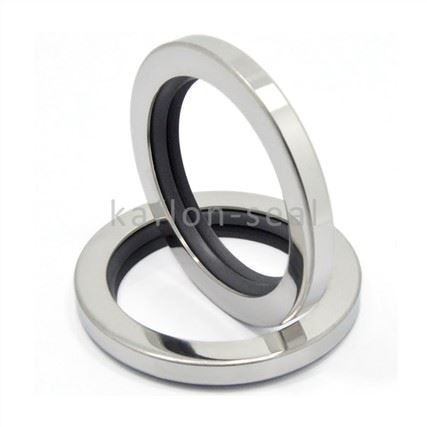


 Blog
BlogHey there! As a supplier of hydraulic piston seals, I've seen firsthand the unique challenges that come with high - speed environments. In this blog, I'm gonna break down the key requirements for a hydraulic piston seal to perform well in such conditions.
1. Material Selection
First off, the material of the hydraulic piston seal is crucial. In high - speed environments, the seal experiences a lot of friction and heat generation. We need materials that can withstand these harsh conditions.
One of the top choices is polyurethane (PU). PU has excellent abrasion resistance, which is super important when the piston is moving at high speeds. The constant rubbing against the cylinder wall can quickly wear down a less durable material, but PU can hold up well. It also has good elasticity, allowing it to maintain a tight seal even under dynamic conditions. For example, our Rod Sealing PU Ring Seal is made from high - quality PU, which is designed to handle the rigors of high - speed applications.
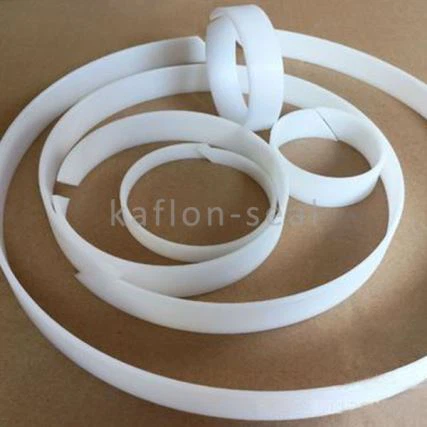
Another option is polytetrafluoroethylene (PTFE). PTFE has a very low coefficient of friction, which means it can reduce the heat generated during high - speed operation. This is great for preventing overheating and extending the lifespan of the seal. It's also chemically resistant, so it can handle a variety of hydraulic fluids. However, PTFE is a bit more rigid than PU, so it might need to be combined with other materials in some cases to ensure proper sealing.
2. Design Considerations
The design of the hydraulic piston seal plays a big role in its performance in high - speed environments. A well - designed seal can reduce friction, prevent leakage, and improve overall efficiency.
One important design feature is the shape of the seal. For example, the Piston T Seal has a T - shaped cross - section. This design provides a large contact area with the cylinder wall, which helps to distribute the pressure evenly and prevent leakage. The T - shape also allows for better flexibility, which is beneficial when the piston is moving at high speeds.
The lip design of the seal is also crucial. A well - designed lip can follow the contour of the cylinder wall closely, even under high - speed movement. This helps to maintain a tight seal and prevent fluid from leaking past the seal. Some seals have multiple lips, which can provide an extra layer of protection against leakage.
3. Heat Dissipation
As I mentioned earlier, high - speed operation generates a lot of heat. If the heat isn't dissipated properly, it can cause the seal material to degrade, leading to premature failure.


To address this issue, some hydraulic piston seals are designed with heat - dissipating features. For example, some seals have fins or grooves on their outer surface. These features increase the surface area of the seal, allowing more heat to be transferred to the surrounding environment.
Another approach is to use a cooling system in the hydraulic system. This can help to keep the temperature of the hydraulic fluid and the seal within an acceptable range. However, this adds complexity and cost to the system, so it's not always the most practical solution.
4. Pressure Resistance
In high - speed environments, the hydraulic piston seal also needs to withstand high pressures. The rapid movement of the piston can create sudden pressure spikes, which can test the limits of the seal.
The Single Acting Step Seal Ring is designed to handle high pressures. Its step - like design provides additional support and helps to prevent the seal from being extruded under high pressure. This is important because extrusion can lead to leakage and seal failure.
When selecting a seal for high - pressure, high - speed applications, it's important to consider the maximum pressure that the seal will be exposed to. We need to choose a seal with a pressure rating that is higher than the expected maximum pressure in the system.
5. Compatibility with Hydraulic Fluids
The hydraulic piston seal must be compatible with the hydraulic fluid used in the system. Different hydraulic fluids have different chemical properties, and using an incompatible seal can lead to swelling, hardening, or degradation of the seal material.
Before choosing a seal, it's important to know the type of hydraulic fluid that will be used. For example, some seals are designed for use with mineral - based hydraulic fluids, while others are suitable for synthetic fluids. We need to make sure that the seal we select is compatible with the specific fluid in the system to ensure long - term performance.
6. Wear Resistance
High - speed operation means that the seal is constantly in contact with the cylinder wall, which can cause wear over time. A wear - resistant seal is essential to ensure a long service life.
In addition to using wear - resistant materials like PU and PTFE, the surface finish of the seal also matters. A smooth surface finish can reduce friction and wear. Some seals are also treated with special coatings to improve their wear resistance.
7. Dynamic Response
In high - speed environments, the hydraulic piston seal needs to have a good dynamic response. This means that it can quickly adapt to changes in pressure, temperature, and movement.
A seal with a good dynamic response can follow the movement of the piston closely, even during rapid acceleration and deceleration. This helps to maintain a tight seal and prevent leakage. To achieve a good dynamic response, the seal material needs to be flexible and have a low hysteresis.
Conclusion
So, there you have it! These are the main requirements for a hydraulic piston seal in a high - speed environment. As a supplier, we understand the importance of meeting these requirements to ensure the reliable performance of hydraulic systems.
If you're in the market for hydraulic piston seals for high - speed applications, we'd love to have a chat with you. We can help you select the right seal based on your specific needs and requirements. Whether it's choosing the right material, design, or considering other factors like heat dissipation and pressure resistance, we've got the expertise to guide you. So, don't hesitate to reach out and start the procurement discussion.
References
- "Hydraulic Seals Handbook" by John Doe
- "Advanced Materials for High - Speed Hydraulic Applications" by Jane Smith