


 Popular Blog Posts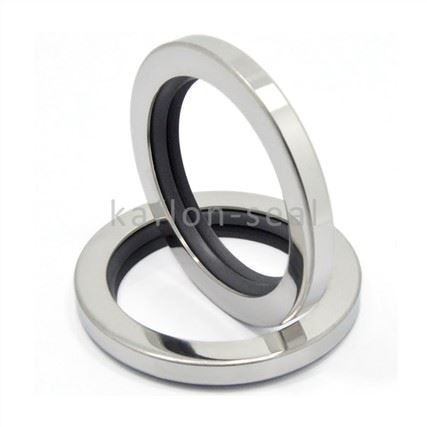


 Blog
BlogHey there! As a supplier of Hydraulic Rod Seals, I've seen my fair share of damaged seals and the headaches they can cause. In this blog, I'll walk you through the common repair methods for a damaged hydraulic rod seal.


Understanding the Basics of Hydraulic Rod Seals
Before we dive into the repair methods, let's quickly go over what hydraulic rod seals are and why they're so important. Hydraulic rod seals are used in hydraulic cylinders to prevent the leakage of hydraulic fluid. They play a crucial role in maintaining the efficiency and performance of hydraulic systems. If a seal gets damaged, it can lead to fluid leaks, reduced system pressure, and even equipment failure.
There are different types of hydraulic rod seals available in the market. For instance, you've got the Linear Rod Seal, which is designed for linear motion applications. Then there's the Rod Sealing Step Seal, known for its excellent sealing performance in high-pressure environments. And don't forget the Double Acting Rod Seal, which can handle pressure from both sides of the seal.
Common Causes of Hydraulic Rod Seal Damage
To effectively repair a damaged seal, it's important to understand what caused the damage in the first place. Here are some of the most common culprits:
- Wear and Tear: Over time, the constant movement of the rod against the seal can cause it to wear out. This is especially true in high-pressure or high-speed applications.
- Contamination: Dirt, dust, and other contaminants can get into the hydraulic system and cause abrasion on the seal surface. This can lead to leaks and premature failure of the seal.
- Improper Installation: If the seal is not installed correctly, it can be damaged during the installation process or during operation. This includes issues like incorrect sizing, improper alignment, or over-tightening.
- High Temperatures: Excessive heat can cause the seal material to degrade, leading to loss of elasticity and sealing performance.
Repair Methods for Damaged Hydraulic Rod Seals
1. Seal Replacement
The most straightforward repair method is to replace the damaged seal. This is often the best option if the seal is severely damaged or if it has reached the end of its service life. Here's how you can do it:
- Step 1: Identify the Seal: First, you need to determine the type and size of the seal that needs to be replaced. You can usually find this information on the equipment's manual or by measuring the seal itself.
- Step 2: Drain the Hydraulic Fluid: Before you start working on the seal, make sure to drain the hydraulic fluid from the system. This will prevent any spills and make the repair process safer.
- Step 3: Remove the Old Seal: Use a seal removal tool to carefully remove the old seal from the rod or the cylinder. Be careful not to damage the rod or the cylinder during this process.
- Step 4: Clean the Area: Once the old seal is removed, clean the area around the seal using a clean cloth and a suitable cleaning agent. This will remove any dirt or debris that could cause problems with the new seal.
- Step 5: Install the New Seal: Apply a small amount of hydraulic fluid to the new seal to lubricate it. Then, carefully install the new seal onto the rod or into the cylinder. Make sure it is properly seated and aligned.
- Step 6: Refill the Hydraulic Fluid: After the new seal is installed, refill the hydraulic fluid in the system. Check for any leaks and make sure the system is working properly.
2. Seal Repair Kits
In some cases, you may be able to repair a damaged seal using a seal repair kit. These kits typically include a variety of seal materials, adhesives, and tools that can be used to patch up a damaged seal. Here's how it works:
- Step 1: Assess the Damage: Examine the damaged seal to determine if it can be repaired using a repair kit. Minor cuts, tears, or abrasions can often be fixed, but if the seal is severely damaged, replacement may be the better option.
- Step 2: Select the Right Kit: Choose a seal repair kit that is compatible with the type of seal and the hydraulic fluid used in your system.
- Step 3: Prepare the Seal: Clean the damaged area of the seal using a cleaning agent. This will ensure good adhesion of the repair materials.
- Step 4: Apply the Repair Material: Follow the instructions in the repair kit to apply the repair material to the damaged area. This may involve using an adhesive, a patch, or a combination of both.
- Step 5: Let it Cure: Allow the repair material to cure according to the manufacturer's instructions. This may take several hours or even days, depending on the type of material used.
- Step 6: Test the Seal: Once the repair material has cured, test the seal to make sure it is working properly. Check for any leaks and monitor the performance of the hydraulic system.
3. Surface Treatment
If the damage to the seal is due to surface abrasion or roughness, you may be able to improve the seal's performance by treating the surface of the rod or the cylinder. Here are some common surface treatment methods:
- Polishing: Polishing the rod or the cylinder surface can remove any rough spots or burrs that may be causing the seal to wear out. This can improve the sealing performance and extend the life of the seal.
- Coating: Applying a protective coating to the rod or the cylinder surface can provide additional protection against wear, corrosion, and contamination. There are different types of coatings available, such as chrome plating, ceramic coatings, and polymer coatings.
Preventive Maintenance
Of course, the best way to deal with damaged hydraulic rod seals is to prevent the damage from happening in the first place. Here are some preventive maintenance tips:
- Regular Inspections: Conduct regular inspections of the hydraulic system to check for any signs of seal damage or wear. This can help you catch problems early and take corrective action before they become serious.
- Proper Lubrication: Make sure the hydraulic system is properly lubricated. This will reduce friction between the rod and the seal, which can help prevent wear and tear.
- Contamination Control: Keep the hydraulic system clean and free of contaminants. Use high-quality filters and regularly change the hydraulic fluid to prevent dirt and debris from getting into the system.
- Proper Installation: Always follow the manufacturer's instructions when installing hydraulic rod seals. Make sure the seals are properly sized, aligned, and installed correctly.
Conclusion
Repairing a damaged hydraulic rod seal can be a challenging task, but with the right knowledge and tools, it can be done effectively. Whether you choose to replace the seal, use a repair kit, or apply a surface treatment, the key is to address the problem as soon as possible to prevent further damage to the hydraulic system.
If you're in the market for high-quality hydraulic rod seals or need more information on seal repair and maintenance, don't hesitate to reach out. We're here to help you find the best solutions for your hydraulic system needs. Let's start a conversation and see how we can work together to keep your equipment running smoothly.
References
- "Hydraulic Seals Handbook" - A comprehensive guide on hydraulic seals, their types, applications, and maintenance.
- Manufacturer's manuals for hydraulic equipment and seals.
- Industry standards and guidelines for hydraulic system maintenance and repair.