


 Popular Blog Posts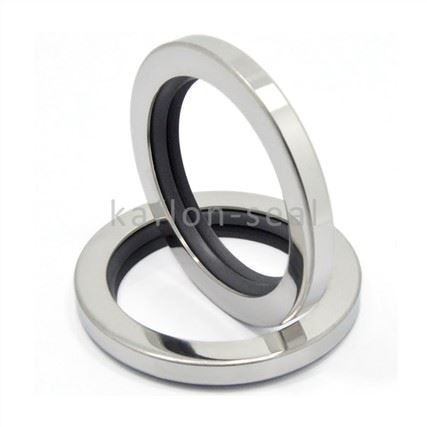


 Blog
BlogAlright, folks! As a supplier of radial oil seals, I'm super stoked to dive into the main types of these nifty little components. Radial oil seals are crucial in a whole bunch of industries, from automotive to manufacturing, and they play a key role in keeping things running smoothly. So, let's get right into it!
1. Rubber Lip Seals
Rubber lip seals are probably the most common type of radial oil seals out there. They're made from various rubber materials like nitrile rubber (NBR), fluorocarbon rubber (FKM), and silicone rubber (VMQ). Each of these materials has its own unique properties, which makes them suitable for different applications.
Nitrile rubber seals are known for their excellent resistance to oil and fuel. They can handle a wide range of temperatures, usually from -40°F to 250°F (-40°C to 120°C). This makes them a popular choice for automotive engines, where they help prevent oil leakage and keep contaminants out.
Fluorocarbon rubber seals, on the other hand, are more expensive but offer superior chemical resistance and can withstand higher temperatures. They can handle temperatures up to 400°F (200°C) and are often used in high-performance applications, such as aerospace and chemical processing.
Silicone rubber seals are great for applications that require flexibility and resistance to extreme temperatures. They can operate in temperatures ranging from -100°F to 450°F (-73°C to 232°C). You'll often find them in food and beverage processing equipment, as silicone is non-toxic and FDA-approved.
2. PTFE Seals
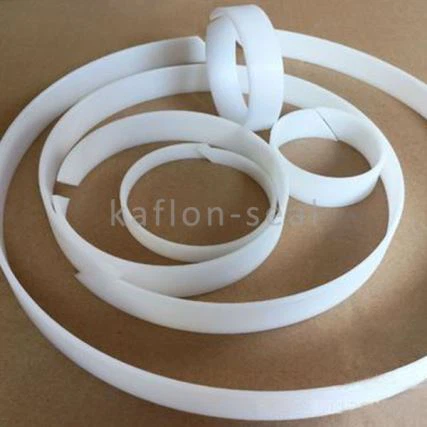
PTFE (polytetrafluoroethylene) seals are another important type of radial oil seal. They're known for their low friction, high chemical resistance, and excellent wear properties. PTFE seals can handle a wide range of chemicals, including acids, bases, and solvents, making them ideal for chemical processing and pharmaceutical industries.
One of the great things about PTFE seals is their ability to operate at high speeds. They have a very low coefficient of friction, which means they generate less heat and wear less quickly than other types of seals. This makes them a popular choice for rotating equipment, such as pumps and motors.
If you're interested in PTFE seals, you might want to check out our Rotating Motions PTFE Shaft Seals. These seals are designed to provide reliable sealing in high-speed applications, and they come in a variety of sizes and configurations to meet your specific needs.
3. Metal Seals
Metal seals are typically used in high-pressure and high-temperature applications. They're made from materials like stainless steel, carbon steel, and bronze, and they offer excellent durability and resistance to deformation.
Metal seals can handle pressures up to several thousand psi and temperatures up to 1000°F (538°C). They're often used in hydraulic systems, where they help prevent fluid leakage and maintain system pressure.
One of the challenges with metal seals is that they can be more difficult to install and remove than rubber or PTFE seals. They also require a more precise machining of the sealing surfaces to ensure a proper fit. However, if you need a seal that can withstand extreme conditions, a metal seal might be the right choice for you.
4. Composite Seals
Composite seals are a combination of different materials, such as rubber and metal or PTFE and rubber. These seals are designed to take advantage of the best properties of each material, providing a more versatile and reliable sealing solution.
For example, a composite seal might have a rubber lip for flexibility and a metal backing for strength and durability. This type of seal can provide a better seal than a single-material seal, especially in applications where there are high pressures or vibrations.
Another type of composite seal is the PTFE/rubber seal. These seals combine the low friction and chemical resistance of PTFE with the flexibility and sealing properties of rubber. They're often used in applications where there is a need for both sealing and low friction, such as in automotive transmissions.
5. Spring-Loaded Seals
Spring-loaded seals are designed to maintain a constant pressure on the sealing surface, even as the shaft wears or the seal ages. These seals have a spring that applies a force to the lip of the seal, ensuring a tight seal at all times.
Spring-loaded seals are commonly used in applications where there is a lot of shaft movement or vibration. They can help prevent oil leakage and extend the life of the seal.
If you're looking for a dynamic sealing solution, you might want to check out our Dynamic Sealing Rotary Shaft Seal Ring. This seal is designed to provide reliable sealing in high-speed and high-pressure applications, and it uses a spring-loaded design to ensure a tight seal at all times.
6. Lip Seal Variations
There are also several variations of lip seals, each designed for specific applications. For example, a double-lip seal has two sealing lips, which provides an extra level of protection against oil leakage and contaminants. Double-lip seals are often used in applications where there is a high risk of contamination, such as in off-road vehicles.
A split lip seal is designed to be installed without having to disassemble the equipment. This can save time and money during installation and maintenance. Split lip seals are commonly used in large industrial equipment, such as pumps and compressors.
And then there's the PTFE lip seal. These seals are similar to rubber lip seals but are made from PTFE instead of rubber. They offer the same low friction and chemical resistance as other PTFE seals, but they also have the flexibility and sealing properties of a lip seal. If you're interested in PTFE lip seals, you can learn more about them here.


Conclusion
So, there you have it! These are the main types of radial oil seals. Each type has its own unique properties and applications, so it's important to choose the right seal for your specific needs.
As a supplier of radial oil seals, we have a wide range of products to meet your requirements. Whether you need a rubber lip seal, a PTFE seal, or a composite seal, we can help you find the right solution.
If you're interested in learning more about our products or have any questions about radial oil seals, please don't hesitate to contact us. We'd be happy to help you with your procurement needs and discuss how our seals can improve the performance and reliability of your equipment.
References
- "Sealing Technology Handbook" by John H. Bickford
- "Handbook of Sealing Technology" by Adam W. Bosnyak