


 Popular Blog Posts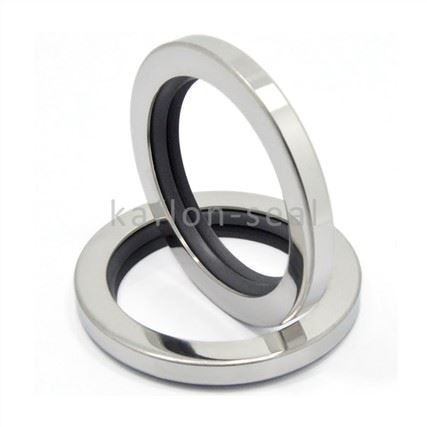



 Blog
BlogLubrication is a critical aspect when it comes to the performance and longevity of Rotary Glyd Rings. As a leading supplier of Rotary Glyd Rings, we understand the importance of proper lubrication in ensuring the optimal functioning of these seals. In this blog post, we will delve into the lubrication requirements for Rotary Glyd Rings, exploring the types of lubricants, their functions, and the best practices for lubrication.
Understanding Rotary Glyd Rings
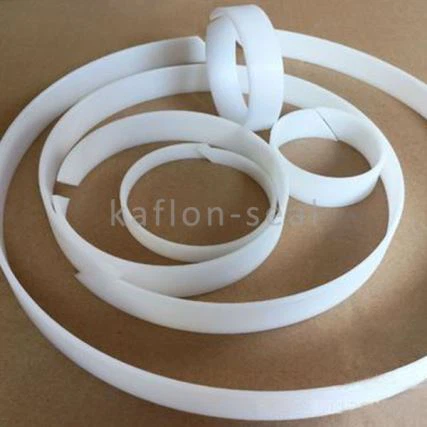
Before we discuss the lubrication requirements, let's briefly understand what Rotary Glyd Rings are. Rotary Glyd Rings are dynamic seals used in rotary applications to prevent the leakage of fluids, such as oil or hydraulic fluid, while also protecting the system from contamination. These seals are typically made of high - performance materials like PTFE (Polytetrafluoroethylene) and are designed to withstand high pressures, speeds, and temperatures. They are widely used in various industries, including automotive, aerospace, and industrial machinery.
Functions of Lubrication in Rotary Glyd Rings
Lubrication plays several vital roles in the operation of Rotary Glyd Rings:
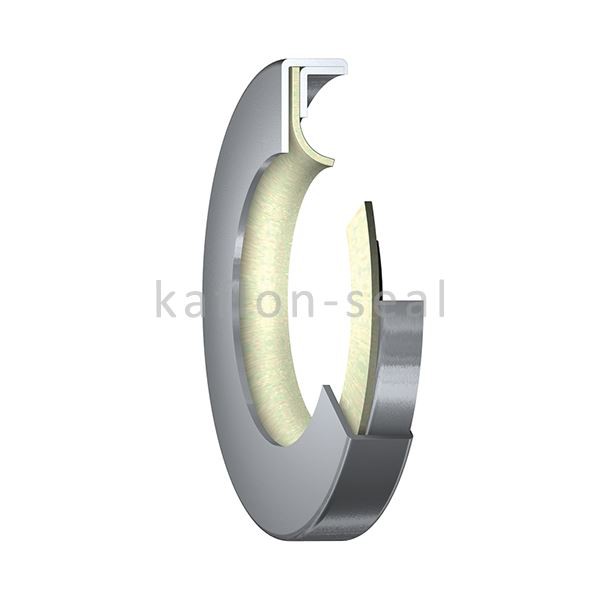

- Reducing Friction: One of the primary functions of lubrication is to reduce friction between the seal and the rotating shaft. Friction can cause wear and tear on the seal, leading to premature failure. By providing a lubricating film between the two surfaces, the friction coefficient is significantly reduced, which in turn extends the life of the seal. For more information on friction coefficients in PTFE oil seals, you can visit our page on Friction Coefficients PTFE Oil Seal Seal.
- Heat Dissipation: During operation, friction generates heat. Excessive heat can degrade the seal material and affect its performance. A proper lubricant helps in dissipating this heat, maintaining the temperature within an acceptable range for the seal to function effectively.
- Sealing Enhancement: Lubrication can improve the sealing performance of Rotary Glyd Rings. It fills in the microscopic irregularities on the seal and shaft surfaces, creating a better sealing interface and reducing the chances of fluid leakage.
- Corrosion Prevention: Some lubricants have anti - corrosion properties. They can protect the seal and the surrounding components from corrosion caused by the fluid being sealed or the environment in which the system operates.
Types of Lubricants for Rotary Glyd Rings
There are several types of lubricants that can be used with Rotary Glyd Rings, each with its own characteristics and suitability for different applications:
- Mineral Oils: Mineral oils are widely used as lubricants due to their relatively low cost and good lubricating properties. They are suitable for many general - purpose applications where the operating conditions are not extremely harsh. However, they may have limitations in high - temperature or high - pressure environments.
- Synthetic Oils: Synthetic oils offer superior performance compared to mineral oils. They have better thermal stability, oxidation resistance, and viscosity - temperature characteristics. Synthetic oils can withstand higher temperatures and pressures, making them ideal for demanding applications such as aerospace and high - performance automotive systems.
- Greases: Greases are a semi - solid lubricant composed of a base oil and a thickening agent. They are often used when a more viscous lubricant is required, or when the lubricant needs to stay in place for an extended period. Greases can provide long - term lubrication and are suitable for applications with slow - moving or intermittent rotation.
- PTFE - Based Lubricants: PTFE - based lubricants are specifically formulated for use with PTFE seals. They have excellent compatibility with PTFE materials and can enhance the performance of Rotary Glyd Rings made of PTFE. These lubricants offer low friction and good chemical resistance.
Lubrication Requirements Based on Application Conditions
The lubrication requirements for Rotary Glyd Rings can vary depending on the application conditions. Here are some factors to consider:
- Operating Temperature: High - temperature applications require lubricants with good thermal stability. Synthetic oils or PTFE - based lubricants are often preferred in such cases. On the other hand, low - temperature applications may require lubricants with low pour points to ensure proper lubrication at cold temperatures.
- Pressure: In high - pressure applications, the lubricant needs to be able to withstand the pressure without being squeezed out of the sealing area. High - viscosity lubricants or greases are more suitable for high - pressure environments.
- Speed: High - speed applications generate more heat and require lubricants with good heat - dissipation properties. Lubricants with low friction coefficients are also preferred to reduce the power consumption and wear on the seal. For high - speed rotating motions, our Rotating Motions PTFE Shaft Seals are designed to work effectively with appropriate lubrication.
- Fluid Compatibility: The lubricant must be compatible with the fluid being sealed. For example, if the system is sealing hydraulic fluid, the lubricant should not react with the hydraulic fluid and cause degradation or contamination.
Best Practices for Lubricating Rotary Glyd Rings
To ensure the proper lubrication of Rotary Glyd Rings, the following best practices should be followed:
- Proper Lubricant Selection: Choose the lubricant based on the application conditions, as discussed above. Consult with our technical experts if you are unsure about the best lubricant for your specific application.
- Cleanliness: Before applying the lubricant, make sure that the seal and the shaft surfaces are clean. Any dirt, debris, or old lubricant can affect the performance of the new lubricant and cause premature wear on the seal.
- Application Method: Apply the lubricant evenly to the seal and the shaft. For oils, a thin film can be applied using a brush or a spray. For greases, they can be applied directly to the sealing area. Make sure not to over - lubricate, as excess lubricant can attract dirt and debris, which can also cause problems.
- Regular Inspection and Maintenance: Regularly inspect the seals and the lubrication condition. Check for signs of wear, leakage, or lubricant degradation. Replace the lubricant at the recommended intervals to ensure continuous and effective lubrication.
Compatibility with Rotary Glyd Ring Materials
When selecting a lubricant, it is crucial to consider its compatibility with the material of the Rotary Glyd Ring. For example, PTFE seals are chemically inert and can be used with a wide range of lubricants. However, some elastomeric materials used in seals may be sensitive to certain lubricants. Incompatible lubricants can cause swelling, hardening, or degradation of the seal material, leading to seal failure. Therefore, always refer to the manufacturer's recommendations regarding lubricant compatibility.
Impact of Lubrication on Seal Performance and Lifespan
Proper lubrication can significantly enhance the performance and lifespan of Rotary Glyd Rings. A well - lubricated seal will have lower friction, less wear, and better sealing performance. This translates into reduced maintenance costs, fewer system breakdowns, and increased overall productivity. On the other hand, inadequate or improper lubrication can lead to premature seal failure, which can result in costly repairs and downtime.
Conclusion
In conclusion, lubrication is an essential factor in the successful operation of Rotary Glyd Rings. By understanding the functions of lubrication, choosing the right type of lubricant based on the application conditions, and following the best practices for lubrication, you can ensure the optimal performance and longevity of your Rotary Glyd Rings.
As a trusted supplier of Rotary Glyd Rings, we are committed to providing our customers with high - quality products and comprehensive technical support. If you have any questions about the lubrication requirements for your Rotary Glyd Rings or need assistance in selecting the right lubricant, please feel free to contact us. We look forward to discussing your specific needs and helping you find the best solutions for your applications.
References
- "Sealing Technology Handbook" by John A. Schey
- "Lubrication Fundamentals" by William G. Wills