


 Popular Blog Posts


 Blog
BlogAs a supplier of hydraulic wiper seals, I've had my fair share of experiences with these nifty little components. They're super important in hydraulic systems, keeping dirt, dust, and moisture out while protecting the seals and other internal parts. But like anything in life, they've got their limitations. Let's dig into what those are.

Material Limitations
First off, let's talk about the materials. Hydraulic wiper seals come in a bunch of different materials, each with its own pros and cons. For example, polyurethane is a popular choice because it's tough and has good abrasion resistance. But it's not all sunshine and rainbows. Polyurethane can be sensitive to high temperatures. If the hydraulic system runs hot, the polyurethane in the wiper seal can start to break down. It might lose its flexibility, which means it won't be able to form a tight seal anymore. And once that happens, dirt and contaminants can sneak into the system, causing all sorts of problems.
Another material is rubber. Rubber seals are great for their flexibility and ability to adapt to different surfaces. However, rubber can be affected by ozone. Ozone in the air can cause rubber to crack and degrade over time. This is where an Anti-ozone PU Seal can come in handy. These seals are designed to resist the effects of ozone, but they're still not completely immune. In environments with high ozone levels, even anti-ozone seals might have a shorter lifespan than we'd like.
Design Limitations
The design of hydraulic wiper seals also has its limitations. Most wiper seals are designed to work in a specific range of conditions. For instance, they're engineered to operate within a certain pressure and temperature range. If the pressure in the hydraulic system goes too high, the wiper seal might not be able to maintain its shape and effectiveness. It could get squeezed out of place or damaged, leading to leaks and reduced performance.
Similarly, if the temperature is outside the recommended range, the seal's performance can be affected. Cold temperatures can make the seal material more brittle, increasing the risk of cracking. On the other hand, high temperatures can cause the material to expand and lose its sealing properties.
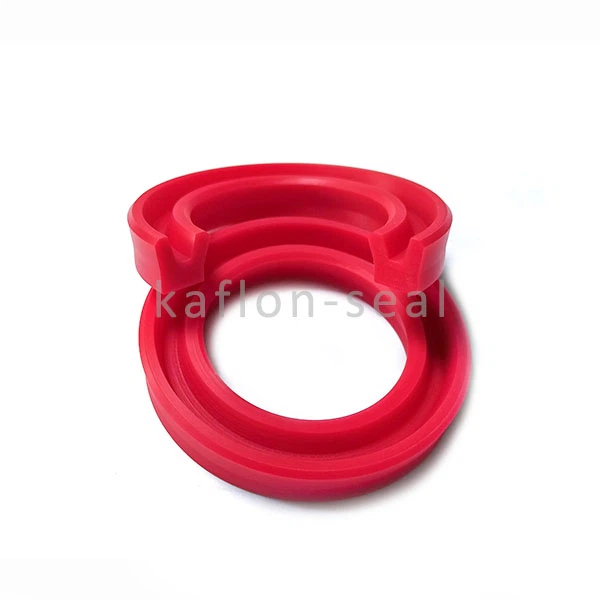
Another design limitation is the shape of the seal. Some wiper seals are designed with a simple lip shape. While this can be effective in many cases, it might not be the best solution for all applications. For example, in systems with high levels of vibration or movement, a simple lip seal might not be able to maintain a consistent seal. The lip could get deformed or lifted, allowing contaminants to enter the system. In these situations, a more complex seal design, like a Piston Sealing U Ring, might be required. These rings are designed to provide a more secure and stable seal, but they can also be more expensive and difficult to install.
Compatibility Limitations
Hydraulic wiper seals need to be compatible with the hydraulic fluid used in the system. Different fluids have different chemical properties, and if the seal material isn't compatible, it can lead to problems. For example, some hydraulic fluids contain additives that can react with the seal material, causing it to swell, shrink, or degrade. This can affect the seal's performance and lifespan.
It's also important to consider the compatibility of the seal with other components in the system. For instance, if the seal is in contact with a metal surface, there could be a risk of galvanic corrosion if the materials aren't compatible. This can damage the seal and the metal surface, leading to leaks and other issues.
Wear and Tear Limitations
Over time, hydraulic wiper seals will experience wear and tear. This is just a fact of life. The constant movement and friction between the seal and the moving parts in the hydraulic system will cause the seal to gradually wear down. As the seal wears, its ability to keep contaminants out will decrease. Eventually, the seal will need to be replaced.
The rate of wear depends on several factors, including the operating conditions, the quality of the seal material, and the design of the seal. In high-pressure or high-speed applications, the wear rate will be higher. Similarly, if the hydraulic system is operating in a dirty or harsh environment, the seal will be exposed to more contaminants, which can accelerate the wear process.
Installation Limitations
Proper installation is crucial for the performance of hydraulic wiper seals. If the seal isn't installed correctly, it might not be able to form a proper seal, leading to leaks and reduced performance. However, installing a wiper seal can be tricky. It requires careful handling and the use of the right tools.
For example, if the seal is installed with too much force, it can get damaged or deformed. On the other hand, if the seal isn't installed tightly enough, it might not be able to maintain a proper seal. In addition, the installation process might require special skills and knowledge. If the person installing the seal isn't experienced or trained, there's a higher risk of installation errors.
Cost Limitations
Let's face it, cost is always a factor. High-quality hydraulic wiper seals can be expensive, especially if they're made from specialized materials or have a complex design. This can be a limitation for some customers, especially those on a tight budget.
In some cases, customers might opt for cheaper seals to save money. However, these cheaper seals might not have the same level of performance or durability as the more expensive ones. They might wear out faster, require more frequent replacement, and could potentially cause more problems in the long run.
Conclusion
So, as you can see, hydraulic wiper seals have their limitations. From material and design issues to compatibility, wear and tear, installation, and cost, there are several factors that can affect their performance and lifespan. But that doesn't mean they're not useful. In fact, hydraulic wiper seals are still an essential part of many hydraulic systems.
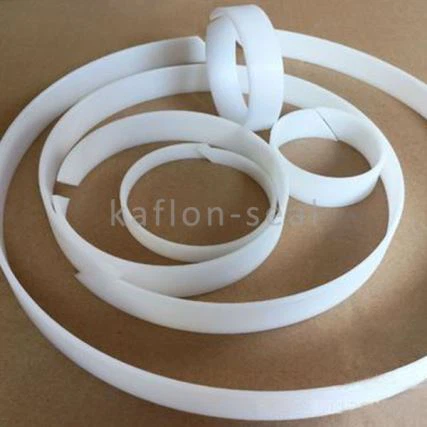
At our company, we understand these limitations and work hard to provide our customers with the best possible solutions. We offer a wide range of hydraulic wiper seals, including Anti-ozone PU Seal, Piston Sealing U Ring, and PTFE Filled With Carbon Glyd Ring, to meet different needs and applications.
If you're in the market for hydraulic wiper seals or have any questions about their limitations, don't hesitate to get in touch. We're here to help you find the right solution for your hydraulic system. Whether you're dealing with high temperatures, ozone exposure, or other challenges, we've got the expertise and products to keep your system running smoothly. Contact us today to start a conversation about your hydraulic sealing needs.
References
- "Hydraulic Seals Handbook" - A comprehensive guide on hydraulic seals and their applications.
- Industry research reports on hydraulic system components and their performance.