


 Popular Blog Posts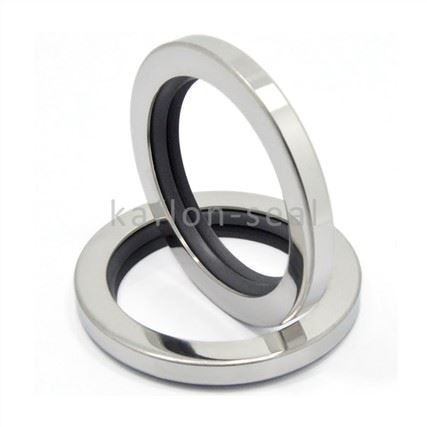


 Blog
BlogHey there! As a supplier of hydraulic seals, I often get asked about the installation torque requirements for these crucial components. In this blog post, I'll break down everything you need to know about the installation torque for hydraulic seals, why it matters, and how to get it right.
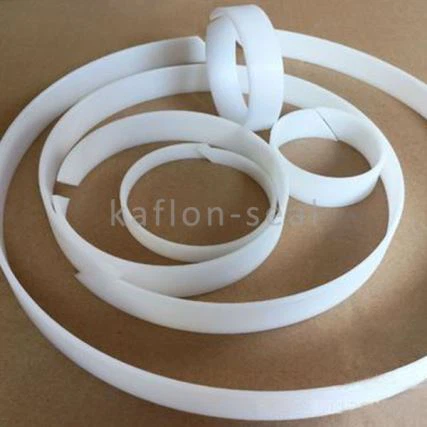
First off, let's talk about what hydraulic seals are and what they do. Hydraulic seals are used in hydraulic systems to prevent the leakage of fluid and to maintain the pressure within the system. They come in various shapes and sizes, and are made from different materials depending on the application. Some common types of hydraulic seals include Hydraulic Sealing PTFE Guide Ring, Hydraulic Linear Rod Seal, and PTFE Filled With Carbon Glyd Ring.
Now, why is installation torque so important for hydraulic seals? Well, the right installation torque ensures that the seal is properly seated and compressed, which is essential for preventing leaks. If the torque is too low, the seal may not be compressed enough, leading to fluid leakage. On the other hand, if the torque is too high, it can damage the seal or the mating surfaces, also resulting in leaks and potentially reducing the lifespan of the seal.
So, how do you determine the correct installation torque for hydraulic seals? There are several factors to consider.
Material of the Seal
The material of the hydraulic seal plays a significant role in determining the installation torque. Different materials have different compressibility and elasticity properties. For example, rubber seals are generally more compressible than PTFE - based seals. Rubber seals can tolerate a wider range of torques as they can deform more easily to create a seal. However, PTFE seals are more rigid, and excessive torque can cause them to crack or break. When dealing with PTFE seals like the PTFE Filled With Carbon Glyd Ring, you need to be more precise with the torque.
Size and Design of the Seal
The size and design of the hydraulic seal also affect the installation torque. Larger seals usually require more torque to achieve the proper compression. Seals with complex designs, such as those with multiple lips or grooves, may have different torque requirements compared to simple, single - lip seals. For instance, a Hydraulic Linear Rod Seal might have different torque needs depending on its diameter and the number of sealing lips it has.
Operating Conditions
The operating conditions of the hydraulic system are another crucial factor. If the system operates at high pressures, the seal needs to be compressed more tightly to prevent leaks. In such cases, a higher installation torque may be required. Similarly, if the system is exposed to high temperatures, the material of the seal may expand or contract, which can also influence the torque requirements.


Mating Surfaces
The condition and material of the mating surfaces where the seal is installed are important. Smooth, clean mating surfaces allow for a more even distribution of the torque and a better seal. Rough or damaged surfaces can cause uneven compression of the seal, even if the correct torque is applied. If the mating surfaces are made of a soft material, you may need to use a lower torque to avoid damaging them.
To find the exact installation torque for a specific hydraulic seal, it's best to refer to the manufacturer's guidelines. These guidelines are based on extensive testing and are tailored to the particular seal's design, material, and intended use. Most seal manufacturers provide detailed torque specifications in their product manuals or technical data sheets.
When it comes to the actual installation process, here are some tips to ensure you get the torque right:
- Use the Right Tools: Always use a calibrated torque wrench. This ensures that you can apply the exact amount of torque specified. Using an uncalibrated or incorrect tool can lead to over - or under - tightening.
- Follow a Sequence: If you're installing multiple bolts or fasteners around a seal, follow a specific tightening sequence. This helps to ensure even compression of the seal. A common sequence is to tighten the bolts in a star pattern, gradually increasing the torque in steps.
- Inspect the Seal: Before and after installation, inspect the seal for any signs of damage. If you notice any cuts, tears, or deformities, replace the seal immediately.
- Lubricate if Necessary: Some seals may require lubrication during installation. This can make it easier to install the seal and can also help to prevent damage. However, make sure to use a lubricant that is compatible with the seal material.
In summary, getting the installation torque right for hydraulic seals is crucial for the proper functioning of hydraulic systems. By considering factors such as the seal material, size, operating conditions, and mating surfaces, and by following the manufacturer's guidelines, you can ensure a leak - free and long - lasting seal.
If you're in the market for high - quality hydraulic seals or have any questions about installation torque or other aspects of hydraulic seals, don't hesitate to reach out. We're here to help you find the right seals for your application and to ensure that you install them correctly. Whether you need a Hydraulic Sealing PTFE Guide Ring, a Hydraulic Linear Rod Seal, or a PTFE Filled With Carbon Glyd Ring, we've got you covered. Contact us today to start the procurement process and let's work together to keep your hydraulic systems running smoothly.
References
- Manufacturer's product manuals and technical data sheets for hydraulic seals
- Industry standards and best practices for hydraulic system installation and maintenance