


 Popular Blog Posts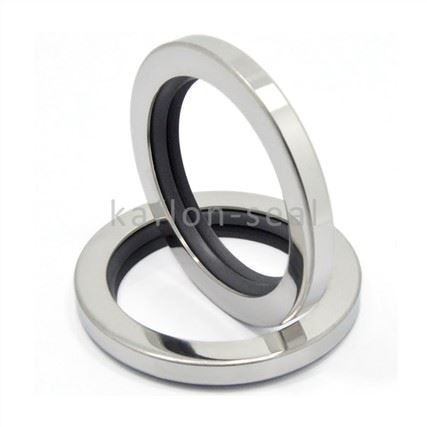


 Blog
BlogWhen it comes to the installation of radial oil seals in a slotted housing, there are numerous crucial precautions that one must adhere to. As a seasoned radial oil seal supplier, I've witnessed firsthand how proper installation can significantly extend the lifespan and enhance the performance of these seals. In this blog, I'll delve into the key installation precautions that you should keep in mind.
1. Housing Preparation
Before installing the radial oil seal, the slotted housing must be thoroughly prepared. First and foremost, the housing bore should be carefully inspected for any signs of damage, such as scratches, nicks, or other surface irregularities. Even the smallest flaw can compromise the seal's effectiveness, leading to leakage.
The surface finish of the housing bore is also of utmost importance. The roughness should fall within the specified range recommended by the seal manufacturer. A surface that is too rough can cause excessive wear on the seal lip, while a surface that is too smooth may not provide sufficient friction for the seal to grip properly.
Any debris or contaminants inside the housing must be removed completely. This can be achieved by cleaning the housing with an appropriate solvent and then drying it thoroughly. Residual debris can get trapped between the seal and the housing, causing premature failure of the seal.
2. Seal Inspection
Inspect the radial oil seal itself before installation. Check for any visible damage, such as cuts, tears, or deformities in the seal lip or the outer diameter. A damaged seal will not be able to perform its intended function and may lead to oil leakage.
Verify the size of the seal. Ensure that it matches the specifications of the slotted housing and the shaft. Using an incorrect size seal can result in improper installation and poor sealing performance.
It's also important to check the material of the seal. Different applications may require different seal materials. For instance, if you're dealing with high - temperature or chemical - aggressive environments, seals made of special materials like PTFE may be necessary. You can find high - quality Radial PTFE Shaft Seal on our website, which are designed to withstand such harsh conditions.
3. Shaft Preparation
The shaft where the seal will be installed also requires proper preparation. Similar to the housing bore, the shaft surface should be smooth and free of any burrs, scratches, or corrosion. These imperfections can damage the seal lip during installation and cause premature wear during operation.
The shaft diameter should be within the specified tolerance range for the seal. A shaft that is too large or too small can cause the seal to either over - stretch or not fit tightly enough, both of which can lead to leakage.
Apply a thin layer of lubricant to the shaft surface before installing the seal. This will help reduce friction during installation and prevent damage to the seal lip. Use a lubricant that is compatible with the seal material and the operating environment.
4. Installation Tools
Using the correct installation tools is essential for a successful installation. Improper tools can cause damage to the seal, leading to installation failures and future performance issues.
For installing radial oil seals in slotted housings, a suitable seal installer or a press - fit tool should be used. These tools are designed to apply even pressure to the seal during installation, ensuring that it is seated properly in the housing.
Avoid using sharp or hard objects that can scratch or cut the seal. For example, a screwdriver should never be used to pry the seal into place, as this can cause irreversible damage to the seal.
5. Installation Process
When installing the radial oil seal in the slotted housing, ensure that the seal is placed correctly. The seal should be oriented in the right direction, as indicated by the manufacturer's markings. Installing the seal upside - down or in the wrong orientation can result in poor sealing performance.
Slowly press the seal into the housing using the appropriate installation tool. Apply even pressure across the entire face of the seal to prevent it from tilting or become misaligned. Make sure the seal is fully seated in the housing, and there are no gaps between the seal and the housing wall.
After the seal is installed, check again to ensure that it is properly aligned. Any misalignment can cause uneven wear on the seal lip and lead to leakage over time.
6. Environmental Considerations
The environment in which the radial oil seal will operate can have a significant impact on its performance and lifespan. For example, high - temperature environments can cause the seal material to expand or degrade, while cold temperatures can make the seal more brittle.
If the application involves exposure to chemicals or abrasive particles, choose a seal material that is resistant to these elements. Radial Shaft Seals With PTFE Lips are an excellent choice for such applications, as PTFE offers excellent chemical resistance and low friction properties.
In addition, the presence of moisture or humidity can also affect the seal. Take appropriate measures to protect the seal from excessive moisture, such as using a moisture - resistant grease or installing a secondary seal.


7. Post - installation Inspection
Once the radial oil seal is installed, it is necessary to conduct a post - installation inspection. Check for any signs of damage to the seal that may have occurred during the installation process. Look for any visible leaks around the seal area.
It is also a good practice to perform a test run of the equipment after installation. Monitor the seal during the test run for any abnormal noises, vibrations, or leakage. If any issues are detected, stop the equipment immediately and address the problem.
Why Choose Our Radial Oil Seals
As a professional radial oil seal supplier, we offer a wide range of high - quality seals to meet different customer needs. Our seals are made of premium materials and undergo strict quality control processes to ensure their reliability and performance.
Our PTFE Lip Seal products are particularly popular in the market. They are designed to provide excellent sealing performance in various harsh environments, such as high - temperature, high - pressure, and chemical - exposed conditions.
We not only provide top - notch products but also offer professional technical support and after - sales service. Our team of experts can assist you in choosing the right seal for your application and provide guidance on installation and maintenance.
If you're interested in our radial oil seals or have any questions about installation or product selection, we welcome you to contact us for procurement and further discussions. We're committed to helping you find the best sealing solutions for your needs.
References
- "Sealing Technology Handbook" by John D. Carlson
- Manufacturer's installation guides for radial oil seals
- Industry standards and best practices for seal installation and maintenance